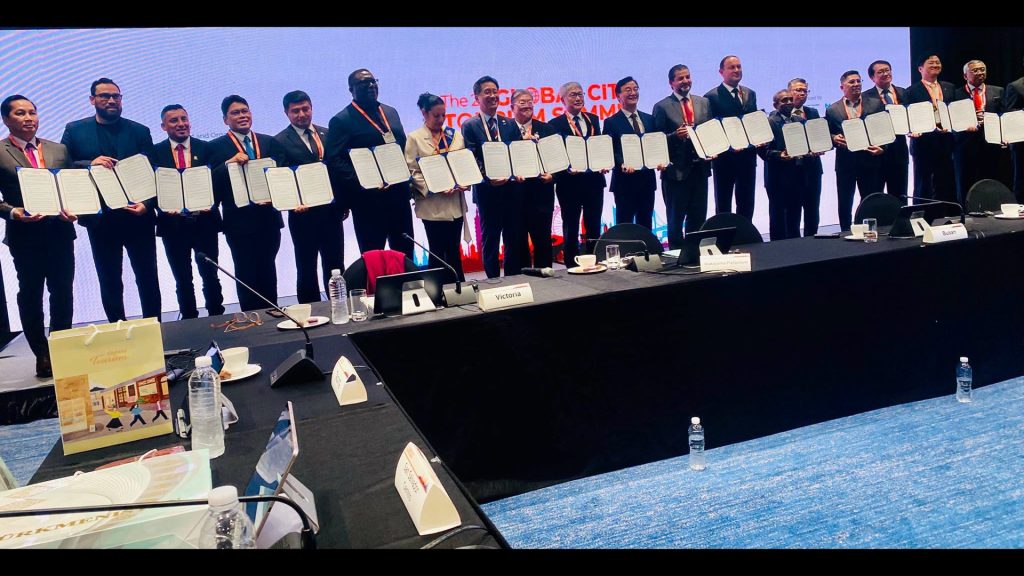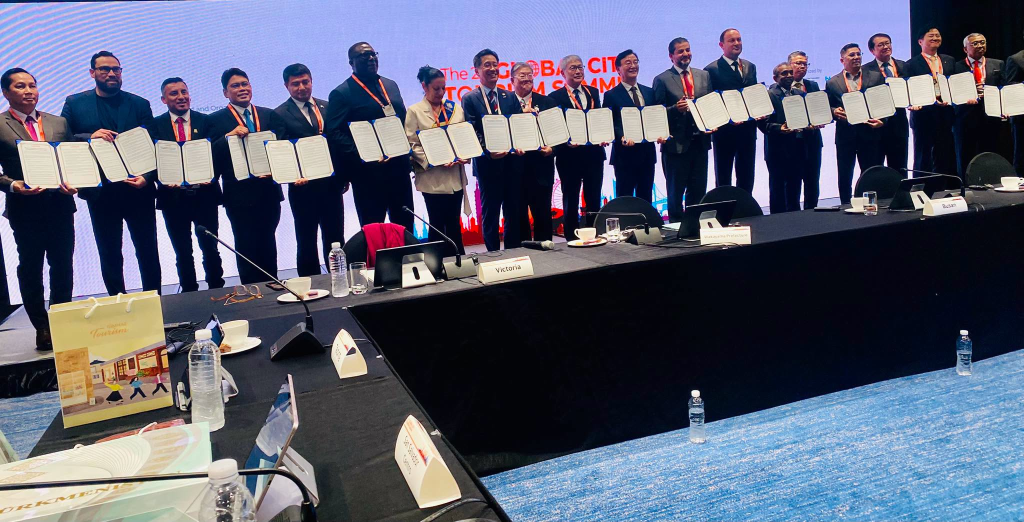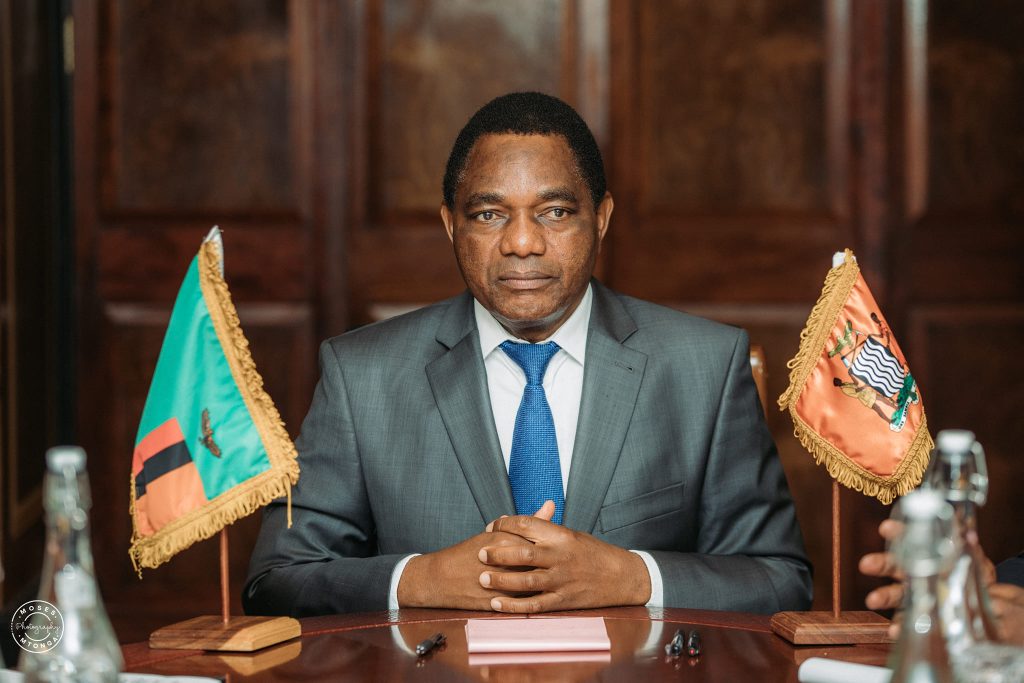


The Economics Association of Zambia opens its 2026 Annual General Meeting at Avani Victoria Falls Resort in Livingstone, with members set to elect the council that will represent the profession as Zambia works through its economic recovery.
By The Zambian Economist Analyst | 3 September 2026 | Livingstone
KEY TAKEAWAYS
- The Economics Association of Zambia (EAZ) is holding its 2026 Annual General Meeting on 3rd and 4th September at Avani Victoria Falls Resort in Livingstone.
- Delegates will elect a new council, the body that speaks for the profession on national economic policy between annual meetings.
- Paid-up members pay K3,750 per delegate to attend, according to the association’s official notice.
- The new council takes over at a time when its members’ expertise is in high demand, as Zambia advances its debt restructuring, stabilises the kwacha and works to expand electricity supply.
- Watch this page for the full list of elected office bearers once results are announced.
Zambia’s economists have taken over a conference wing of Avani Victoria Falls Resort. The Economics Association of Zambia opened its 2026 Annual General Meeting in Livingstone on Thursday, bringing together members from government, banks, universities, think tanks and the private sector for two days of sessions and, most consequentially, elections.
The association’s official notice, issued in July, set the delegate fee at K3,750 for paid-up members. What that fee buys is a vote on who runs the council for the coming term.
What is actually being decided
An AGM of a professional body rarely makes headlines. This one matters for a different reason. The EAZ council is one of the few institutions that can take a public position on fiscal and monetary policy while drawing on members who sit inside the very institutions making those decisions, from the Bank of Zambia to the Ministry of Finance to the Zambia Statistics Agency.
Whoever is elected council president this week will spend the next term fielding questions on the kwacha, on electricity supply, and on how the government’s fiscal arithmetic is tracking. The association’s credibility with the public depends on how clearly and honestly those answers are given.
Why Livingstone, and why now
Hosting the AGM in the tourist capital rather than Lusaka is a deliberate signal. Livingstone’s hospitality sector has been rebuilding after a difficult few years, and the association has previously used its gatherings to argue for tourism’s place in the diversification conversation, away from the copper-first story that dominates national accounting.
Victoria Falls town also gives the association a natural case study. Delegates only need to walk outside the hotel to see a sector where dollars, kwacha and visitor numbers intersect daily, and where arrivals have been recovering as global travel normalises.
The agenda the new council inherits
The incoming council takes office with a full in-tray, but also with genuine progress to build on. Zambia’s debt restructuring has moved from negotiation to implementation, with agreements reached with both official creditors and Eurobond holders. Copper earnings remain the largest single source of foreign exchange, and heavy investment in new mine capacity is under way. The electricity supply gap that emerged in late 2024 is being addressed through imported power and new generation projects, and the kwacha has been comparatively steadier than in recent years.
For ordinary Zambians, the work that remains shows up in prices. Food inflation has been the stubborn item in the consumer price basket, and the cost of mealie meal, fuel and transport still shapes household budgets more than any headline GDP figure. Closing that gap between macroeconomic progress and what people feel in their pockets is the real test for the profession.
What happens next
Election results and resolutions from the AGM are expected by the close of proceedings on 4th September. The Zambian Economist will update this article with the names of the elected council members once they are confirmed. The association’s notices page at eaz.org.zm carries the official record.
WARNING! All rights reserved. This material and all other digital content on this website may not be reproduced, published, broadcast, rewritten, or redistributed, in whole or in part, without the prior express permission of The Zambian Economist. Where permission is granted, the content must be clearly credited to “The Zambian Economist,” with “www.zambianeconomist.com” prominently displayed.
WhatsApp: +260775574228 | Email: info@zambianeconomist.com © 2026 The Zambian Economist.
Work With The Zambian Economist: Advertise With Us | List With Us | Submit an Article