By Zambian Economist Analyst
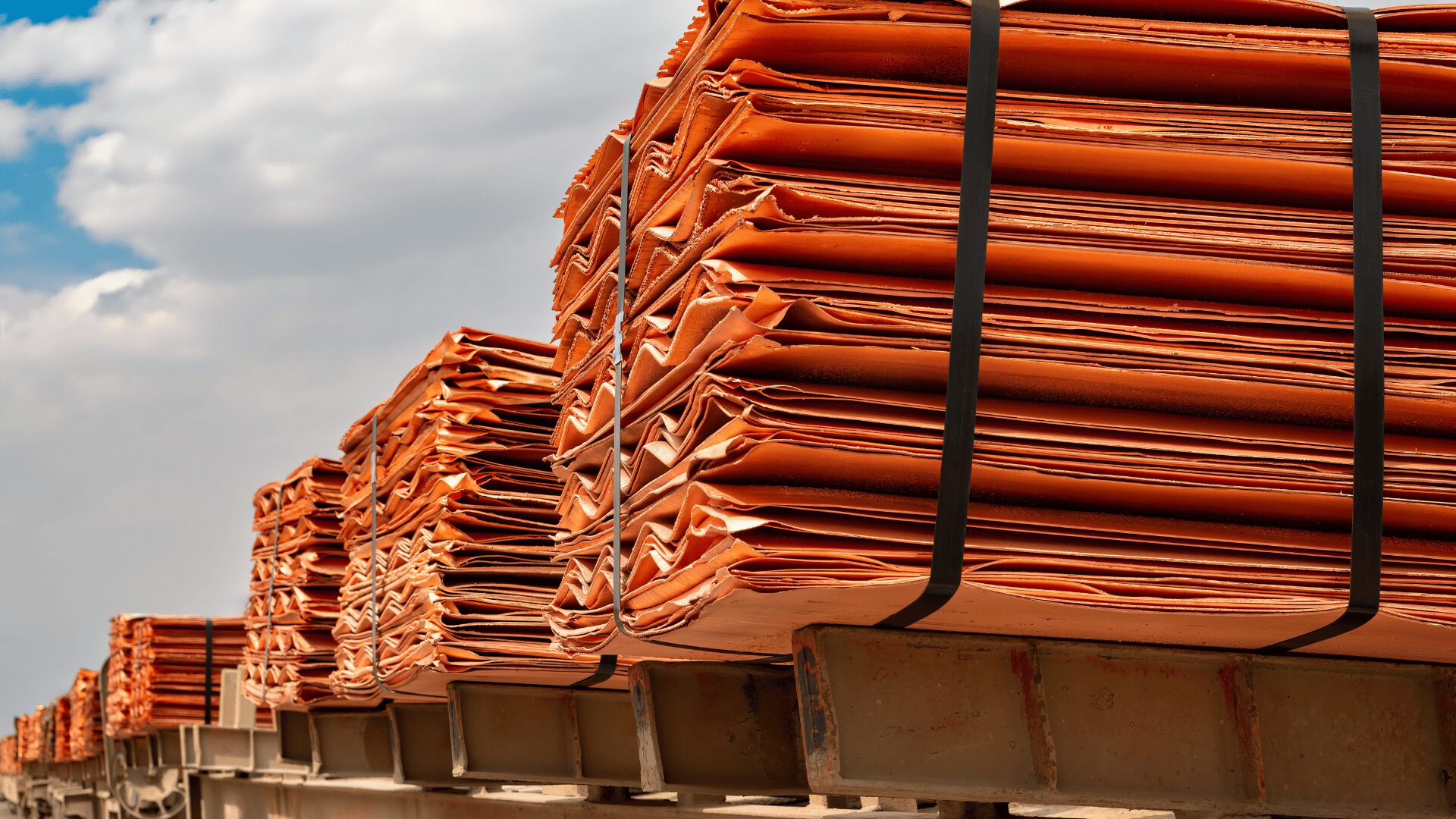
Copper futures have pushed above $6.65 a pound, close to $14,000 a tonne on the London Metal Exchange, the highest level in two months. More than 200,000 tonnes arrived at US ports in July alone, the largest monthly inflow recorded since at least 2014, as traders position ahead of an expected decision by the Trump administration on import tariffs for refined copper.
The rush into US warehouses has left London Metal Exchange inventories at a five-month low, while American stockpiles keep growing. US buyers are paying a premium over London prices to secure supply before any tariff takes effect, squeezing availability for buyers elsewhere, including in Africa.
Analysts point to two structural forces behind the price climb: continued demand from the global energy transition and the rapid build-out of artificial-intelligence data centres, both of which are copper-intensive. Some Chinese buyers have pulled back at current prices, but that has not been enough to offset US demand.
Why This Matters for Zambia
Zambia is Africa’s second-largest copper producer. Copper accounts for around 70% of the country’s export earnings, which means swings in the London price move directly through the kwacha, government revenue and the wider economy.
Under the National Mineral Resource Development Policy and the National Critical Minerals Strategy, government has set a target of three million tonnes of annual copper production by 2031, roughly triple current output. Reaching that figure will need new mines, but it will also need the logistics, engineering, maintenance and supply networks to move copper from pit to port at scale.
That second part of the equation is what brought Ben Farrell MBE, Global CEO of the UK-headquartered Chartered Institute of Procurement & Supply (CIPS), to Zambia this week. CIPS represents more than 200,000 procurement professionals across more than 180 countries.
“The tectonic plates of global trade are shifting,” Farrell said. “Regionalisation is rising, globalisation is being reshaped, and those organisations that build resilient regional partnerships will be best placed to thrive.”
His visit follows a Memorandum of Understanding signed between CIPS Southern Africa and the Zambia Institute of Procurement and Supply (ZIPS), aimed at strengthening local procurement capability and supplier development.
The Data: What’s Moving in the Copper Market
| Indicator | Latest reading | Signal |
|---|---|---|
| LME copper price | Approaching $14,000/tonne ($6.65/lb) | Highest in two months |
| US port inflows (July) | 200,000+ tonnes | Largest monthly inflow since at least 2014 |
| LME warehouse stocks | Five-month low | Tightening global availability |
| Zambia copper share of exports | ~70% | High exposure to price swings |
| Zambia 2031 production target | 3 million tonnes/year | Roughly triple current output |
| Organisations already hit by US tariff shifts | One-third | Per latest CIPS Pulse Survey |
| Organisations monitoring tariff risk | 37% | Per latest CIPS Pulse Survey |
The CIPS Pulse Survey also found that geopolitical instability, including conflict in the Middle East and evolving US tariff policy, remains the top concern among procurement professionals worldwide. Supplier diversification, contract extensions and holding extra inventory are the strategies organisations are leaning on most to protect supply.
The Local Supply Chain Argument
Paul Vos, Regional Managing Director of CIPS Southern Africa, has previously put the case bluntly: “the next copper mine Zambia needs isn’t underground, it’s in the strength of its local supply chains.” Building that capability creates jobs, develops skills and keeps more value in the economy for longer than any single mine’s operating life.
Farrell identified specific openings for Zambian-owned firms: engineering services, maintenance, logistics, consumables, equipment support, and the growing field of digital and data services that mining operations now depend on.
He was equally clear about the obstacles. Limited access to finance, gaps in meeting international technical standards, poor visibility of available opportunities, and procurement processes that tend to favour established international suppliers all hold local firms back. None of these, he argued, are permanent. Structured supplier development programmes, professional training and closer collaboration between government, industry and professional bodies can close the gap.
Farrell also pushed back on a common assumption: that local procurement means lowering standards. “It’s about helping more local suppliers reach the technical, safety, governance and compliance standards expected by global mining houses,” he said, pointing to mentorship, transparent evaluation criteria and clearer pathways for emerging suppliers as the tools leading mining houses are already using.
Business Implications
- Zambian SMEs in mining-adjacent services (engineering, logistics, maintenance, consumables) have a widening opportunity window, but will need to meet documented international standards to win contracts with major mining houses.
- Firms that can demonstrate compliance and governance credentials now are better placed as mining houses formalise supplier development programmes.
- Rising input costs tied to copper-linked global demand may affect firms that import mining equipment or consumables priced in US dollars.
Investor Implications
- Sustained high copper prices support Zambia’s export earnings and fiscal position in the near term, assuming production keeps pace.
- The gap between US and London copper prices is a live signal of tariff risk premium that investors in Zambian mining-linked assets should track.
- Supply chain depth, not just ore grade or mine output, is emerging as a factor in assessing the long-term resilience of Zambian mining investments.
Policy Implications
- Meeting the three-million-tonne target depends on more than production licences and new mines; it depends on whether local supply chains can absorb and support that scale of activity.
- Government, ZIPS and industry bodies have an opening to formalise supplier development standards so that local content requirements translate into real capacity, not just compliance on paper.
- Continued monitoring of US tariff policy is warranted given Zambia’s export concentration in copper.
Conclusion
Record copper prices and tariff-driven stockpiling in the United States are, for now, a tailwind for a copper-exporting economy like Zambia. But Farrell’s argument is that the three-million-tonne target will be won or lost on the strength of the supply chains behind the mines, not on price alone. Whether Zambian firms can move from potential to compliant, contract-ready suppliers over the next five years will shape how much of that copper wealth stays in the country.
Key Takeaways
- Copper is near a two-month high, approaching $14,000 a tonne, driven by US stockpiling ahead of a possible tariff decision.
- Zambia earns around 70% of export revenue from copper and is targeting 3 million tonnes of annual production by 2031.
- CIPS Global CEO Ben Farrell is visiting Zambia this week, arguing that regional supply chains, not just new mines, will determine whether the target is met.
- Barriers for local suppliers (finance, standards, visibility, procurement bias) are real but addressable through structured development programmes.
Related Reading
- Why the World Is Watching Zambia’s Copper on 13 August
- Zambia Copper Production 2026: Can Copper Deliver Jobs, Growth and Lasting Prosperity?
- Copper and the Kwacha: How the Link Actually Works
- Beyond Copper: How Economic Diplomacy Can Drive Zambia Economic Diversification and Sustainable Development
Commercial Opportunities
This story sits at the intersection of mining, procurement and logistics, three sectors with a growing presence on The Zambian Economist. If your business operates in these spaces, there are several ways to be part of the conversation:
- Business Directory: Mining services, logistics, engineering and procurement firms can list in our Business Directory, from K600/year (Standard) or K1,350/year (Featured).
- Events: Hosting a procurement, mining or supply chain event? List it on our Events page for K1,000/event.
- Advertise With Us: Reach investors, business leaders and policymakers directly through premium advertising placements. See Advertise With Us from K1,500/month.
- Submit an Article: Have expertise in mining, procurement or supply chain development? Submit an Article for consideration.
For tailored packages combining directory, events and advertising placements, or for a Media Kit with audience statistics, contact us at info@zambianeconomist.com or +260 775 574 228.
Related reading: Zambia’s Copper Engine: From 890,000 Tonnes to a 3-Million-Tonne Ambition and Mapping the Copper FDI Pipeline: Vedanta, Mopani and First Quantum’s Zambian Bets