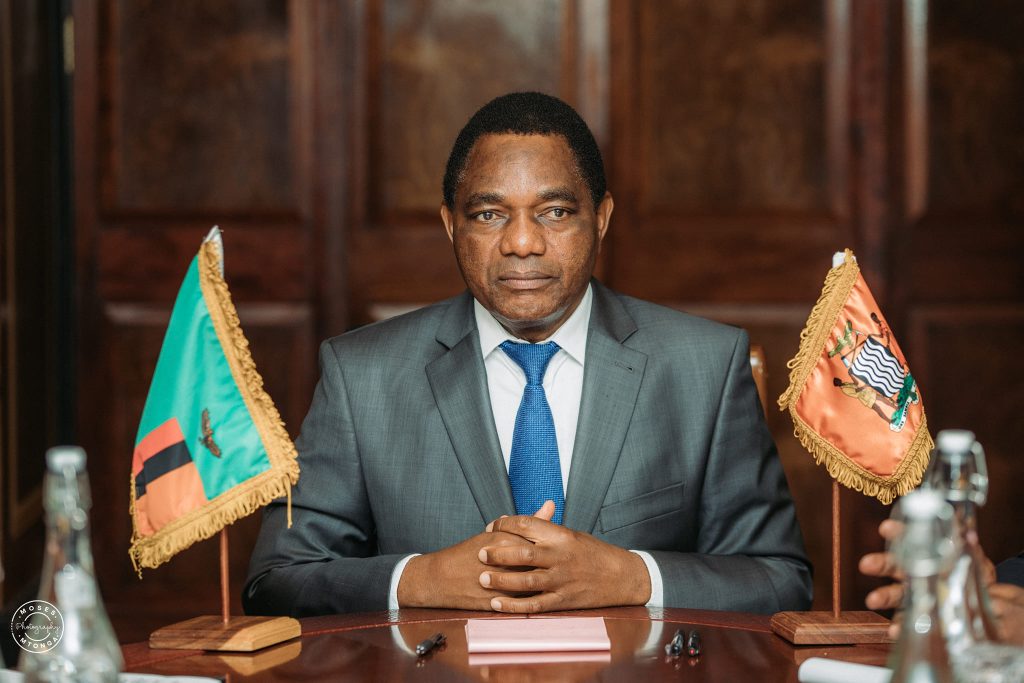

Emoluments Commission Director General Chembo F. Mbula has called on public institutions to compare suppliers’ beneficial ownership information with officers’ declarations of interest, saying the checks could expose concealed interests and help prevent corruption.
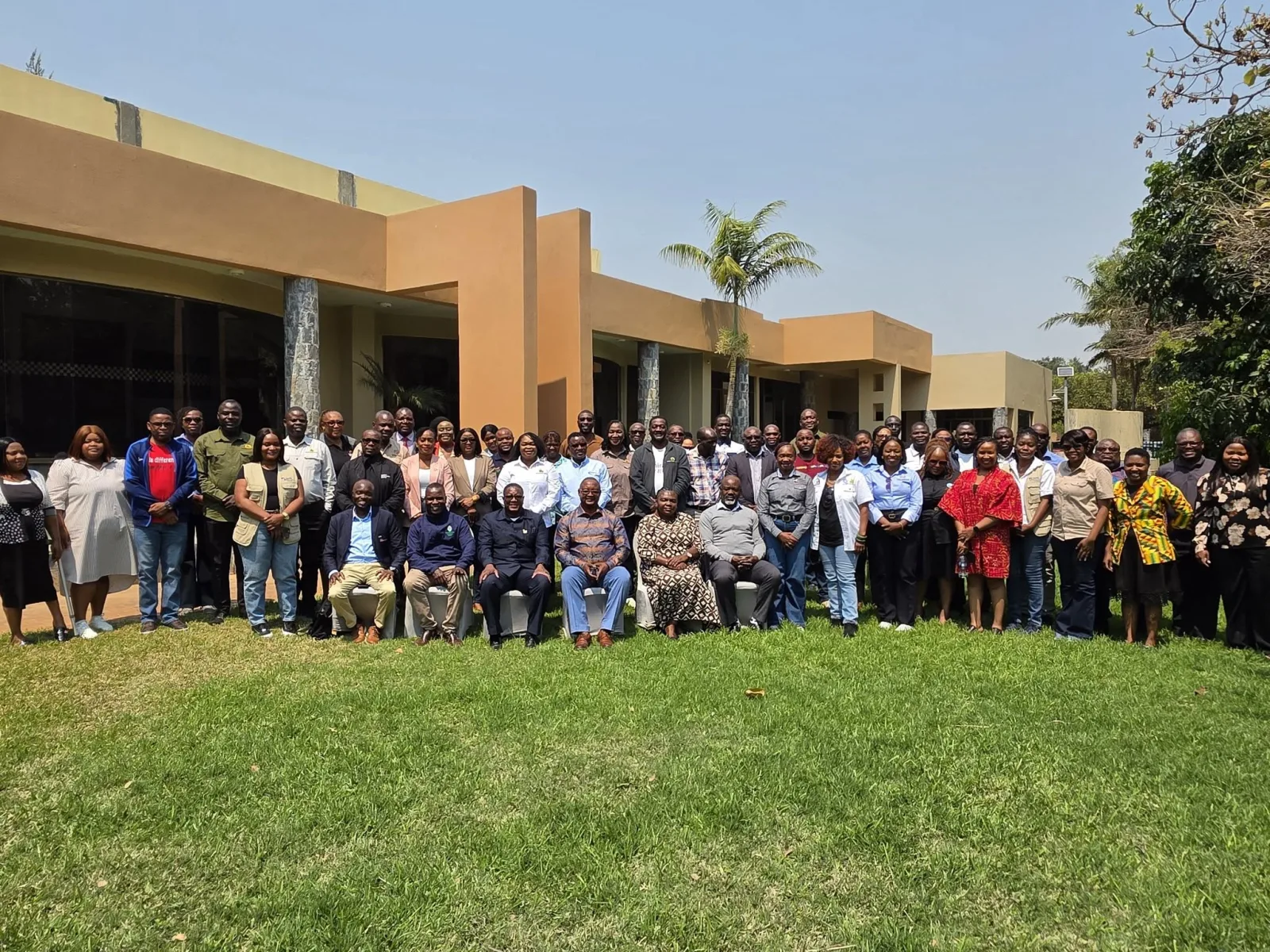
Speaking at the close of a five-day Combined Integrity Committee Induction Training Workshop at Twangale Park in Chilanga, Mr Mbula urged institutions to strengthen their internal prevention systems and give Integrity Committees the support to identify and address unethical conduct.
His proposal puts a practical question at the centre of institutional procurement: who is behind a supplier, and do the officers involved have interests that could compromise their decisions?
Checking the interests behind suppliers
Mr Mbula encouraged committees to review beneficial ownership information alongside declarations of interest from public officers. He said this could help uncover concealed interests, prevent conflicts and safeguard procurement and institutional decision-making.
The distinction matters for businesses competing for public contracts. The purpose of these checks is to identify interests that may affect decisions before they compromise a procurement process. Mr Mbula’s remarks were a call for preventive action; the workshop account did not identify a supplier or officer accused of wrongdoing.
He also warned against accepting gifts in exchange for public services and remaining silent when corruption occurs.
“Corruption is a threat to our communities, our workplaces and Zambia as a nation. It has no place among us, and it must be resisted at every turn,” Mr Mbula said.
He urged committee members to collaborate across institutions, share information and learn from organisations that have made measurable progress in preventing corruption.
ACC calls for funding and management support
At the opening of the workshop, Anti-Corruption Commission Director General Daphne Chabu called on institutions to ensure their Integrity Committees are functional, adequately funded and supported by management.
Her speech was delivered by the ACC’s Director of Corruption Prevention, Glenda Mungalaba.
Mrs Chabu said corruption undermines service delivery, promotes nepotism and favouritism, increases the cost of doing business, distorts the rule of law and erodes public confidence in institutions.
That connects the committees’ work to concerns beyond internal discipline: how public resources are used and whether citizens and businesses can access services fairly.
What participants committed to do
In their vote of thanks, participants committed to strengthening committee work plans, improving complaint-handling mechanisms and following up on audit findings. They also pledged to sensitise employees and monitor institutional compliance.
The training brought together Integrity Committee members from seven institutions: the Emoluments Commission, National Housing Authority, Energy Regulation Board, Water Resources Management Authority, Zambia Agency for Persons with Disabilities, Zambia Development Agency and ZESCO.
Mr Mbula commended the ACC for facilitating the training and challenged participants to translate it into practical, measurable action within their institutions.
The account supplied for this report does not give implementation deadlines or results from the proposed checks. Those will be important in assessing what changes after the training.
Source: supplied account of the Combined Integrity Committee Induction Training Workshop at Twangale Park, Chilanga.
Related: How International Standards Are Closing the Net on Procurement Fraud