
Zambia’s discussions in Bangkok put agricultural markets, transport links and private investment at the centre of efforts to turn economic stability into higher production and employment.
Key Takeaways
- The World Bank has welcomed the Grow Zambia Agenda, according to the Ministry of Finance and National Planning.
- Discussions cover farm markets, transport infrastructure, energy security and private investment.
- Government wants smallholder farmers and young agricultural entrepreneurs to participate in economic expansion.
- Zambia is targeting annual copper production of three million metric tonnes by 2031.
Zambia is seeking to turn economic stability into higher production, exports and employment through World Bank discussions on agriculture, transport infrastructure and private investment under the Grow Zambia Agenda.
The Ministry of Finance and National Planning said the World Bank had welcomed the agenda and described its approach as clear and compelling. The discussions in Bangkok are focusing on investments intended to create jobs and improve livelihoods.
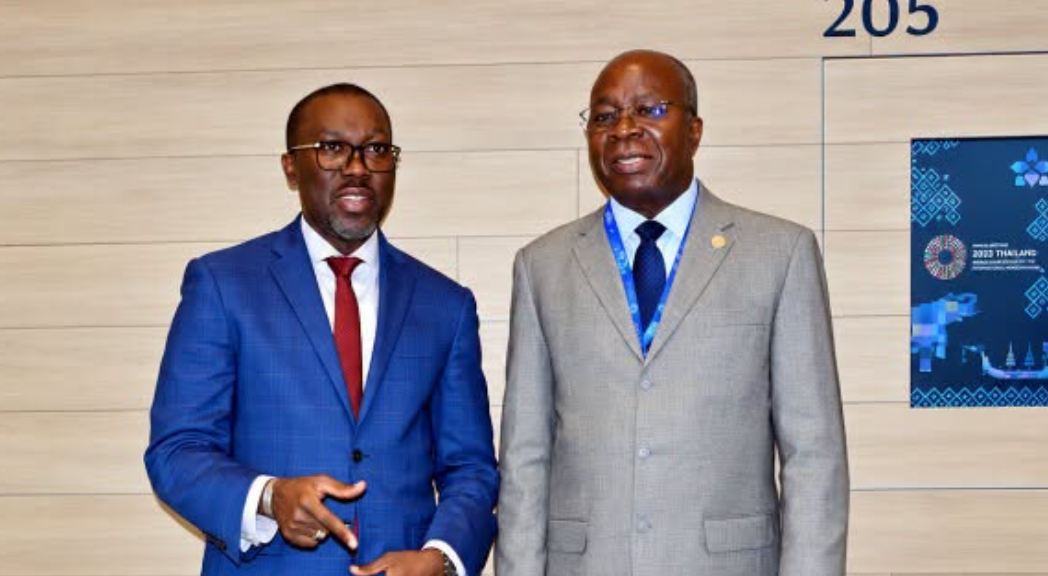
Finance and National Planning Minister Dr Situmbeko Musokotwane is participating in engagements during the 2026 IMF and World Bank Group Annual Meetings, taking place in Bangkok from 12 to 18 October.
Farmers need buyers and reliable routes to market
Agriculture is a central part of the discussions, with Zambia seeking to increase production while improving access to buyers, storage, affordable transport and financing.
The Ministry said the World Bank’s AgriConnect initiative could help address obstacles facing agricultural businesses. Government wants commercial farms, medium-scale producers and smallholders to expand together, with larger businesses creating markets for smaller farmers and opportunities for local suppliers.
The World Bank describes AgriConnect as an initiative supporting smallholder farming and agribusiness. Zambia’s discussions include the conditions needed to translate higher output into sales and rural employment.
The Ministry also said the World Bank had engaged young Zambian agricultural entrepreneurs to understand the barriers to expanding their businesses. Their concerns are being considered during project preparation.
Roads and railways feature in growth plans
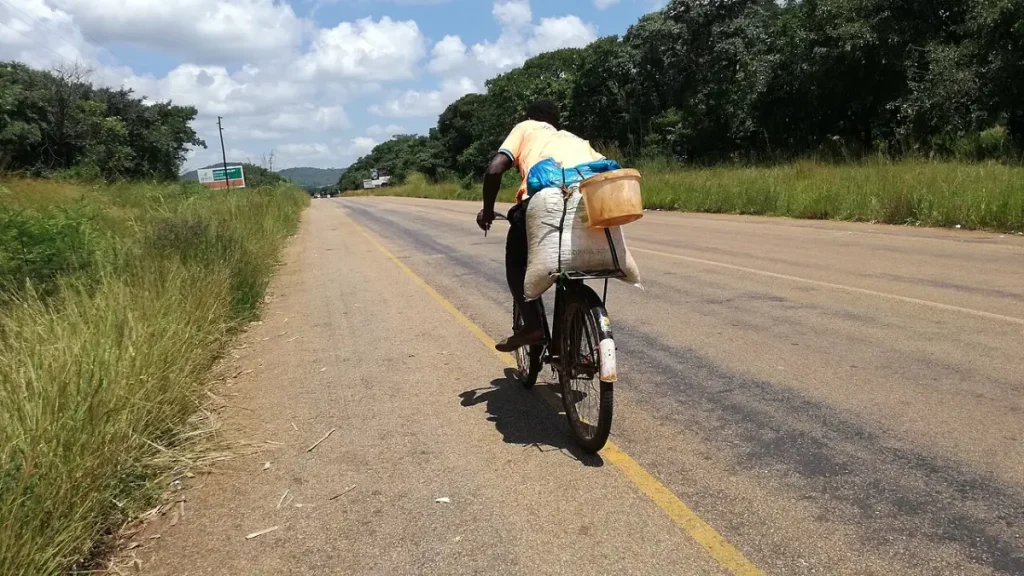
Feeder roads, the Lobito Corridor, TAZARA and Zambia Railways form part of Zambia’s priorities for moving agricultural produce and minerals to market.
The Ministry said better transport connections could lower business costs, improve competitiveness and help producers reach more customers. The agenda links increased production with the infrastructure needed to move and sell goods.
For agriculture, the discussions cover maize, soybeans, sugar and other products, alongside the services needed to connect farms with markets.
Copper ambition depends on energy and investment
Zambia is targeting annual copper production of three million metric tonnes by 2031. The Ministry of Mines and Minerals Development has also identified that target in its mining-sector plans.
The Finance Ministry said achieving the ambition would require investment, reliable energy, improved infrastructure and supportive policies. Increased production is intended to create opportunities for workers, suppliers and local businesses.
Energy security and preparedness for possible El Niño-related disruptions were also discussed. Government is seeking stronger production systems and infrastructure to protect businesses and livelihoods from economic and climate shocks.
Private investment and public-finance discipline
The Ministry said Government was seeking private investment to support economic expansion while maintaining discipline in public spending. The objective is to increase production without undermining economic stability or placing unnecessary pressure on public finances.
Diplomatic missions are also promoting investment opportunities, including the December 2026 IZIC Conference, as Zambia engages international financiers and investors.
The Grow Zambia Agenda aims to expand productive farming and business activity, improve transport and increase employment and household incomes. Government also expects a stronger economy to support sustainable revenue for schools, hospitals and other public services.
The talks concern potential cooperation and investment opportunities. No specific new World Bank financing amount or project approval has been announced in the Ministry’s account of these engagements.
Photograph credit: Ministry of Finance and National Planning.
Explore our Business & Economy coverage and Economic Diplomacy reporting. Related: Musokotwane calls for stronger IDA support and productive investment; Zambia’s manufacturing vision and local production.
Related analysis: UCF’s US$1.6 billion urea expansion, the jobs target and what farmers could gain.
Related analysis: ZAFFICO’s plantation expansion target and the opportunity for smallholder forest out-growers.
WARNING! All rights reserved. This material and all other digital content on this website may not be reproduced, published, broadcast, rewritten, or redistributed, in whole or in part, without the prior express permission of The Zambian Economist. Where permission is granted, the content must be clearly credited to “The Zambian Economist,” with “www.zambianeconomist.com” prominently displayed.
WhatsApp: +260775574228 | Email: info@zambianeconomist.com
© 2026 The Zambian Economist.