
Zambia wants concessional finance to support productive investment and jobs, as the World Bank reports US$22 billion in private capital mobilised across Africa in FY2026.
Key takeaways
- Finance Minister Situmbeko Musokotwane has called for sustained IDA support alongside greater investment in Africa’s productive capacity.
- The World Bank confirms that private capital mobilised across Africa rose from about US$9 billion in FY2022 to US$22 billion in FY2026.
- Zambia’s priorities include preparing viable projects, attracting private investment and matching skills training to emerging jobs.
- The discussion identifies potential cooperation; it announces no new financing commitment to Zambia.
Zambia has urged the World Bank Group to sustain concessional financing for Africa while directing greater support towards productive investment and private-sector-led job creation.
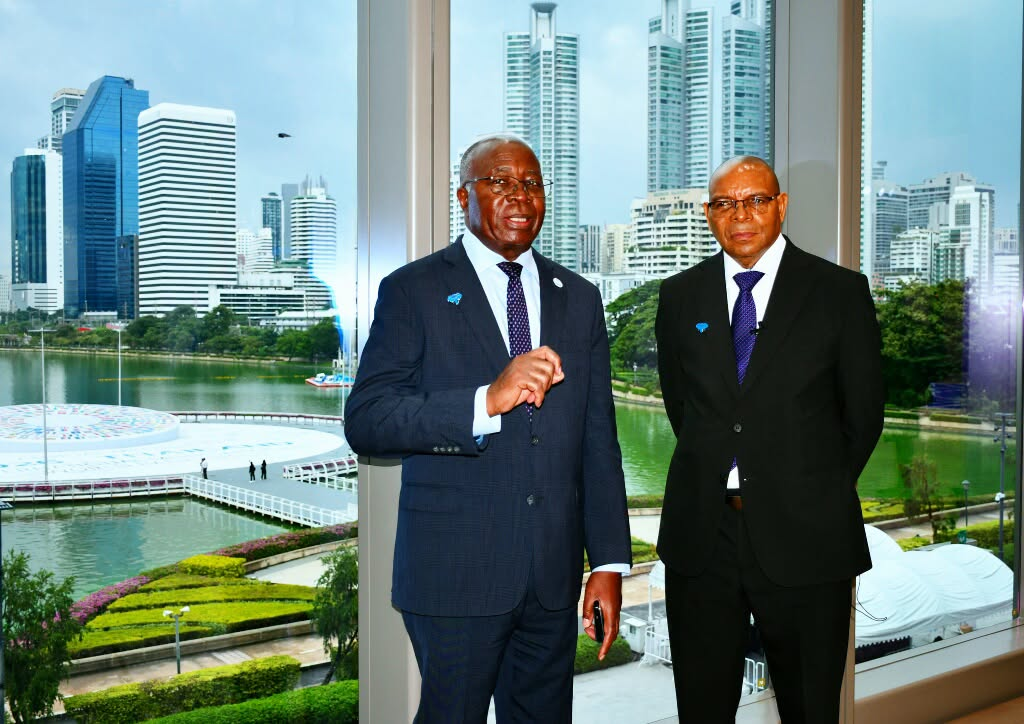
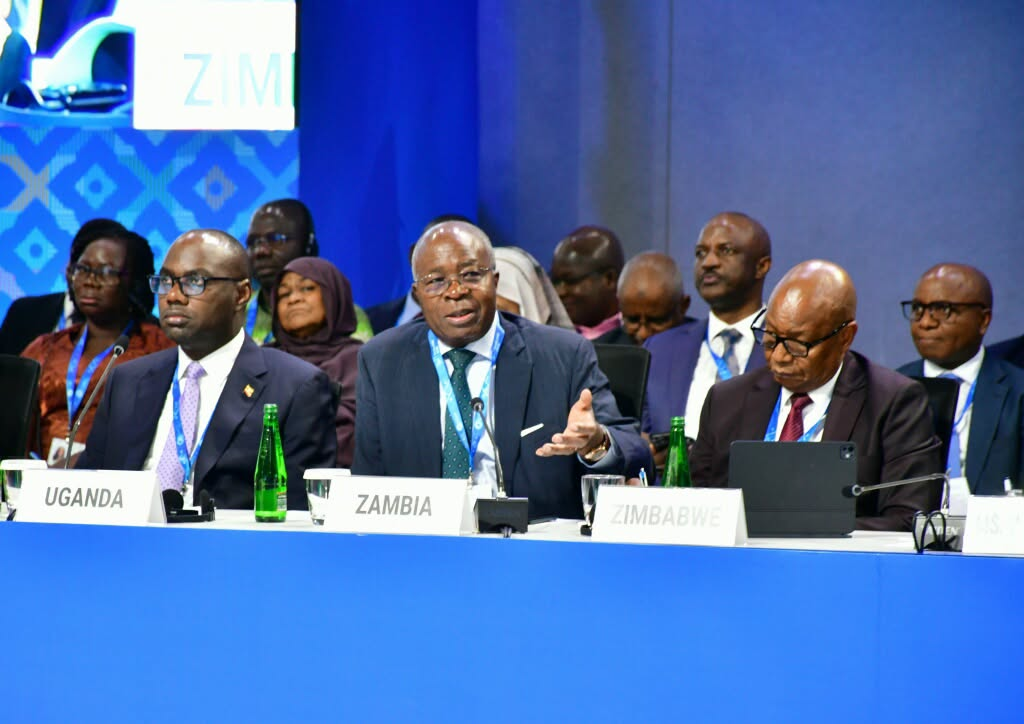
Finance and National Planning Minister Dr Situmbeko Musokotwane made the call during an engagement between World Bank Group President Ajay Banga and African Governors at the 2026 IMF and World Bank Group Annual Meetings in Bangkok, according to the briefing supplied to The Zambian Economist. The IMF confirms that the meetings run from 12 to 18 October in Thailand.
Why Musokotwane wants stronger IDA support
Musokotwane said the International Development Association remained vital as conflicts and economic shocks originating outside Africa placed additional pressure on developing economies. He called for continued international support ahead of the IDA22 replenishment.
He argued that contributions should be viewed as investments in economic transformation and shared prosperity. Stronger African economies would expand markets and improve livelihoods, while helping address economic pressures behind irregular migration.
The minister pointed to Thailand and other Asian economies as examples of transformation through sustained reforms, investment and stronger institutions. Social-sector financing remained essential, he said, but productive capacity and industrial development also needed attention.
The World Bank’s published timetable places the formal launch of the IDA22 replenishment cycle in December 2026, with the final pledging meeting expected in December 2027. Musokotwane’s appeal therefore concerns an upcoming funding round.
US$22 billion across Africa, rather than a Zambia allocation
The World Bank Group reported mobilising approximately US$22 billion in private capital across Africa in fiscal year 2026, compared with about US$9 billion in fiscal year 2022. The figures are corroborated by its September private-capital announcement.
These are Africa-wide mobilisation figures. They do not represent funding allocated to Zambia, a new sovereign loan or money available for immediate budget spending.
According to the meeting briefing, Banga outlined local-currency financing, guarantees, political risk insurance and debt-for-development arrangements as tools for attracting investment. The briefing also reports a target of more than US$6 billion in annual guarantee issuance in Africa by 2030.
Turning infrastructure proposals into viable projects
Musokotwane said the shift towards investment would require changes within African governments and the World Bank Group. Public institutions needed expertise in preparing viable projects, structuring financing and facilitating investment, alongside their traditional work of securing development assistance.
Railway development illustrated the technical and financial capabilities required to turn a proposal into a project investors can finance. For Zambia, the practical challenge is to develop projects with credible costs, revenue assumptions and clear responsibilities for delivery.
Banga described risk-sharing arrangements involving multilateral lenders, guarantee agencies and international reinsurers. He cited Angola’s debt-for-development arrangement as an example of refinancing obligations on better terms and directing savings to priority sectors, according to the briefing.
What could this mean for Zambia?
The instruments discussed could support investment in energy, agriculture, mining, transport and manufacturing without relying exclusively on sovereign borrowing. Their suitability would depend on the terms of each project.
A guarantee shifts specified risks between parties; it does not remove them. Where Government assumes obligations, the fiscal exposure still needs to be assessed. Any new sovereign financing, guarantees or refinancing would need to remain consistent with creditor agreements, applicable IMF-supported programme commitments and Zambia’s debt sustainability objectives under the G20 Common Framework.
For businesses, the opportunity lies in projects that create demand for suppliers and services. For households, the relevant outcomes are reliable infrastructure, employment and incomes. Those benefits depend on implementation, rather than the announcement of a financing instrument.
Skills must follow the investment pipeline
Banga used the Lobito Corridor to explain why training should anticipate the jobs that infrastructure and associated investment can generate. Training that fails to adjust to local labour demand can leave communities poorly placed to benefit.
For Zambia, aligning technical and vocational training with corridor investment could open opportunities in logistics, construction, mineral value addition and related services. Training providers would need information about employers’ requirements and when projects expect to hire.
The discussion fits the Grow Zambia Agenda’s emphasis on macroeconomic stability, higher production and private investment. It identifies potential areas of cooperation with the World Bank Group, rather than confirmed new financing commitments to Zambia.
Sources: Supplied engagement briefing; IMF Annual Meetings information; World Bank private-capital and IDA22 announcements linked above. Meeting-specific remarks and the Africa guarantee target are attributed to the supplied briefing.
Related coverage
Read our report on Musokotwane’s call for a stronger African voice in debt decisions and the Grow Zambia Agenda explainer. More reporting is available in our Economic Diplomacy hub.
WARNING! All rights reserved. This material and all other digital content on this website may not be reproduced, published, broadcast, rewritten, or redistributed, in whole or in part, without the prior express permission of The Zambian Economist. Where permission is granted, the content must be clearly credited to “The Zambian Economist,” with “www.zambianeconomist.com” prominently displayed.
WhatsApp: +260775574228 | Email: info@zambianeconomist.com© 2026 The Zambian Economist.
Work With The Zambian Economist
Advertise With Us | List With Us | Submit an Article
Related policy explainer: How Zambia’s manufacturing vision could turn local production into jobs and exports.