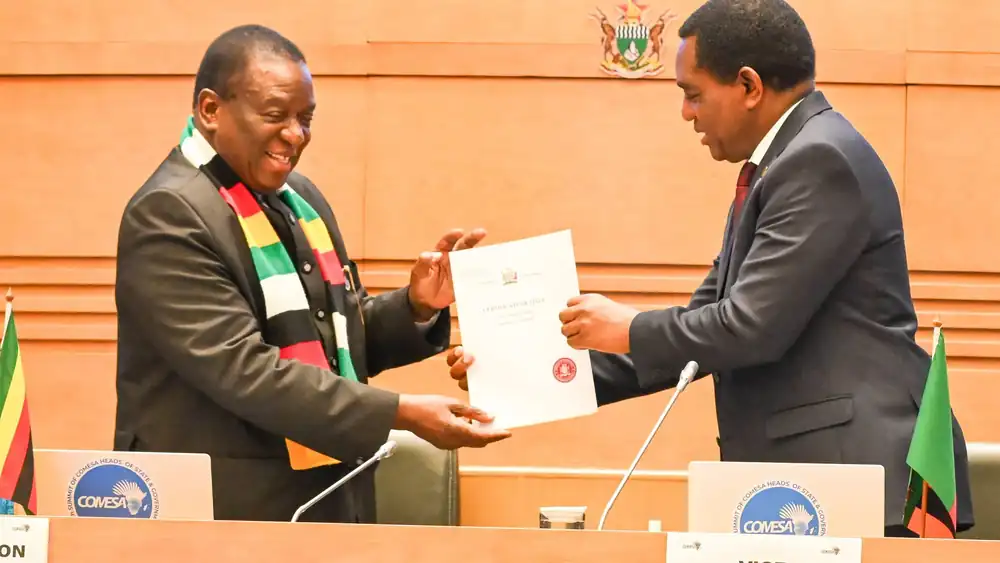
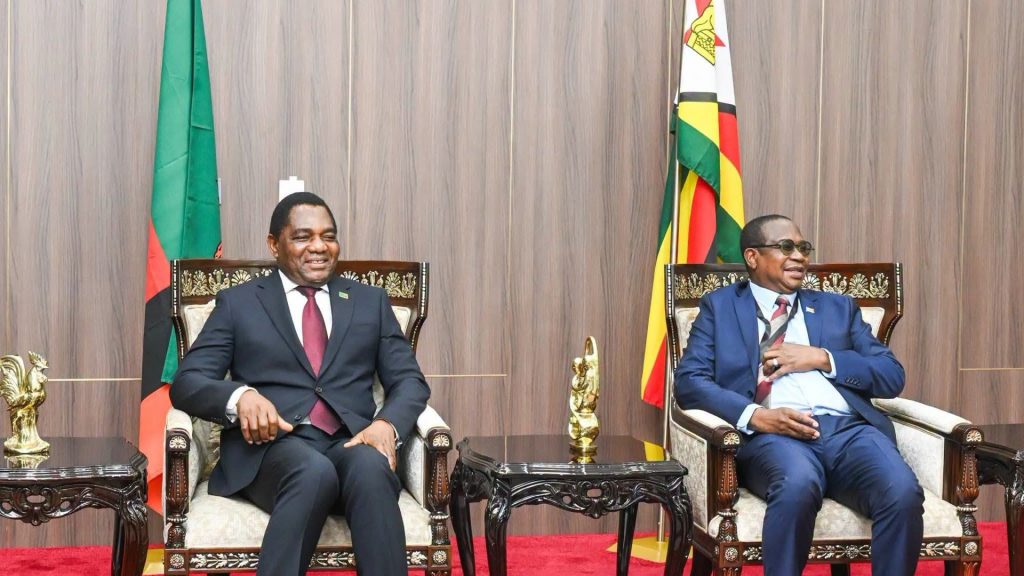
The Electoral Commission of Zambia (ECZ) on 11 October 2026 dismissed as false the allegation that proportional representation seats meant for the New Restoration Party (NRPUP) were awarded to the UPND. The claim, attributed to Antonio Mwamba, has travelled widely on social media. The Commission’s statement is reproduced below the analysis.
Every general election now produces two fights. The first is for the 156 constituencies, decided on polling day. The second is for the 40 proportional representation seats: 20 reserved for women, 15 for youth and 5 for persons with disabilities. These are decided afterwards, by a formula most voters have never seen.
How the 40 seats are shared
The Constitution of Zambia (Amendment) Act No. 13 of 2025 created the PR seats. Under the Electoral Process (Amendment) Act, 2026, the Commission distributes them after the presidential results are declared, using each party’s share of the national vote. No seat is manually assigned to anyone. The arithmetic does the allocating, and that is precisely why it invites suspicion among voters who cannot inspect it.
The dispute follows a familiar pattern: a smaller party’s expected seat count shifts by one or two after rounding, and a commentator reads malice into a decimal. In a tight allocation, a fraction of a percentage point can move a seat between parties. The ECZ’s response, that no NRPUP seat was given to the UPND, is a claim about a calculation, and it can be checked. Zambia would be better served if the Commission published the full allocation table, party by party, with the raw vote shares and the rounding steps, so that any analyst with a calculator can reproduce every one of the 40 assignments.
What the argument is really about
Strip away the party names and this is a question about institutional trust. Zambia’s electoral disputes increasingly arrive not on polling day but in the days after, when formulas, not voters, determine outcomes. A commission that explains its mathematics in public spends less time refuting allegations. One that simply labels them false leaves room for the next claim.
The bill Zambians are arguing over
There is also a money question that the seat argument ignores. Each of the 40 PR seats is a five-year commitment of public funds: a salary, housing and sitting allowances, constituency operations money, a motor vehicle loan and a gratuity at the end of the term. On the cost of a member of parliament, 40 seats represent a significant slice of the national wage bill, money that competes directly with medicines in clinics and books in schools.
Zambia adopted these seats to bring women, young people and persons with disabilities into a Parliament that elections alone were not delivering. Whether the country is getting value for that spending is a fair question, and one the Emoluments Commission and the next Parliament will have to answer as the Public Sector Pay Policy is reviewed.
The seats were never going to be uncontested, because they carry both political power and a public cost. The ECZ’s statement settles today’s allegation. It does not settle the larger issue: an allocation system that voters cannot see will keep generating claims, true or not, until the Commission makes its arithmetic impossible to dispute.
ECZ statement, 11 October 2026
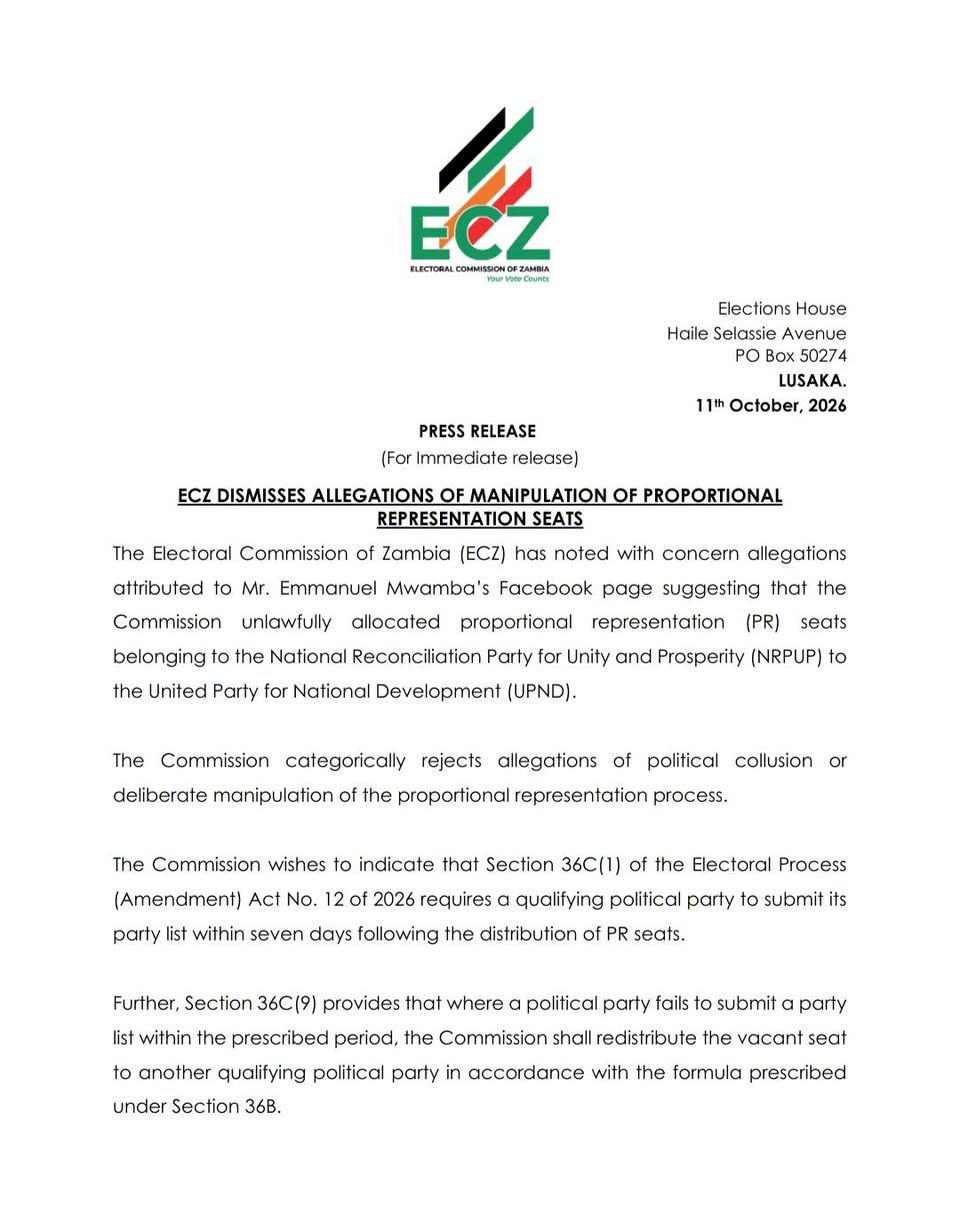
Source: Electoral Commission of Zambia press statement, 11 October 2026; Constitution of Zambia (Amendment) Act No. 13 of 2025; Electoral Process (Amendment) Act, 2026.
Related coverage: ECZ inspects Mandevu polling centres ahead of the 5 November parliamentary by-election.
Related coverage: ECZ defends PR seat redistribution, cites seven-day party-list rule.