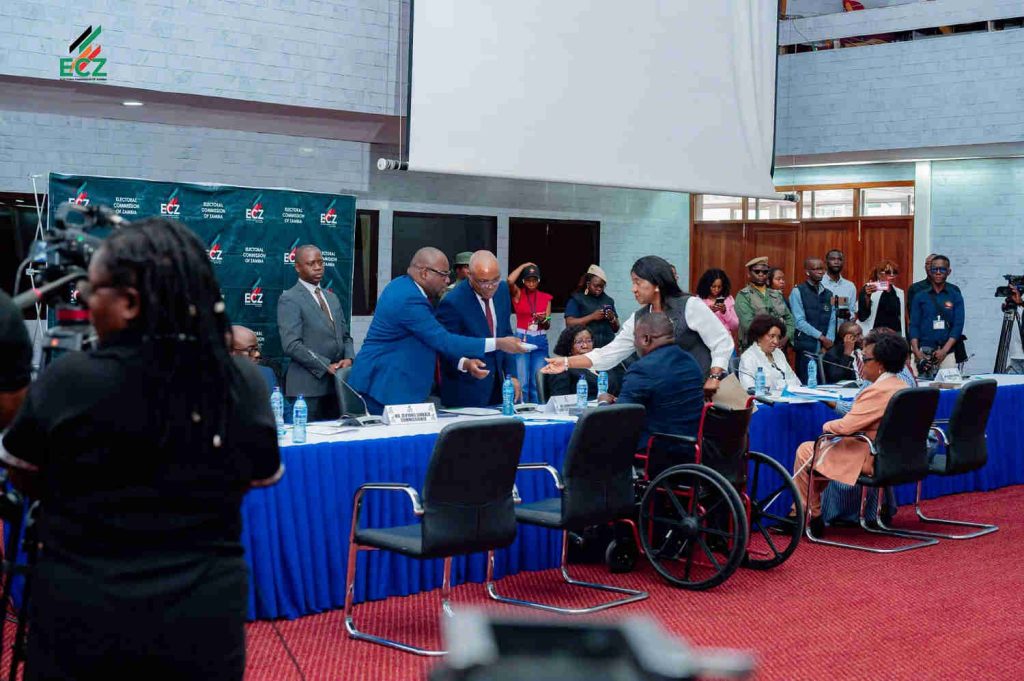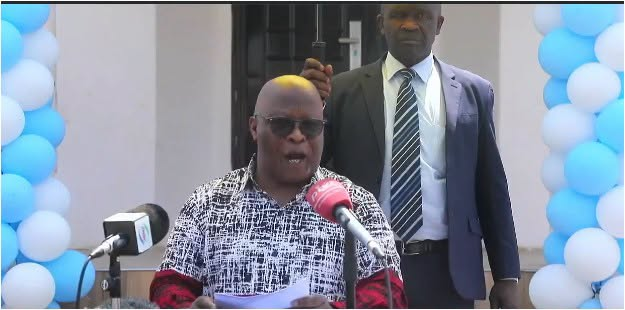
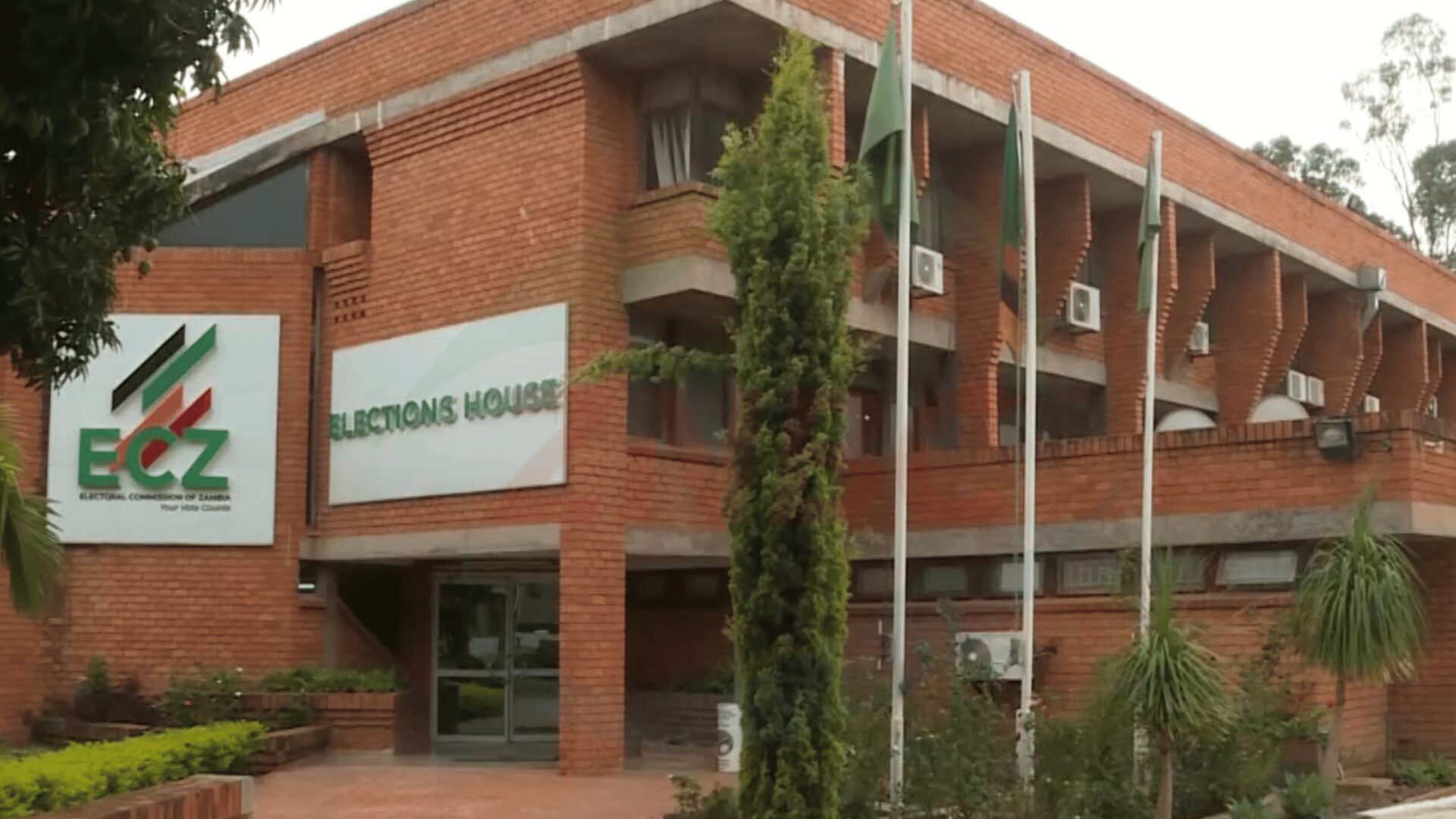
Zambians began voting on Thursday in the 2026 General Election, with polling stations scheduled to remain open from 06:00 to 18:00.
The Electoral Commission of Zambia says 8,786,300 people are registered to vote across 13,529 polling stations in the country’s 10 provinces.
Voters are choosing the President, members of the National Assembly, mayors or council chairpersons, and ward councillors.
Early queues form in Lusaka
Associated Press correspondents reported that voters formed queues before dawn at polling stations in Lusaka, with some people wearing heavy clothing against the morning cold. Election officials were seen preparing ballot boxes and voter lists, while European Union observers monitored proceedings at one station.
These early observations do not provide a national measure of turnout. The final participation rate will only be known after the Electoral Commission completes the count and publishes official figures.
An election centred on economic performance
The presidential contest is also a judgement on Zambia’s recent economic record. The country has completed the restructuring of most of its external debt and inflation has fallen, but many households continue to face pressure from living costs, unemployment and uneven access to economic opportunity.
The result will therefore be watched by citizens, investors and creditors for signals about fiscal policy, mining investment, energy security, agriculture and the direction of any successor programme with the International Monetary Fund. The broader economic position facing the next administration is examined in What the Next Government Inherits.
How the count works
Votes are counted at polling stations after voting closes. Results are then totalled at constituency centres in the presence of accredited agents, monitors, observers and media representatives. Parliamentary and local-government winners are declared at constituency level, while presidential totals are transmitted to the National Results Centre.
The Commission’s published timetable schedules the receipt and verification of results from 15 to 17 August, with the presidential declaration planned for 17 August. Timing may depend on the pace of counting, verification and transmission.
Only results announced through the Electoral Commission’s official process should be treated as authoritative. Images, spreadsheets or figures circulating on social media before verification may be incomplete or false.
The Zambian Economist will monitor voting, counting and official announcements throughout the electoral process.
Sources: Electoral Commission of Zambia; Associated Press; SADC Electoral Observation Mission.