

The Zambian Economist Analyst concluded a day-long survey of Lusaka’s visible economy at Centro Mall in Kabulonga, where occupied parking bays and activity around Pick n Pay showed the continuing role of neighbourhood retail after dark.
Field report and photographs by The Zambian Economist Analyst.
The Sunday, 2 August 2026 visit followed earlier observations at the Agricultural and Commercial Show, East Park Mall and Novare Pinnacle Mall. Centro offered a final, more convenience-focused view of the city’s retail economy, with shoppers collecting groceries and using services close to residential areas.
A final stop in Kabulonga
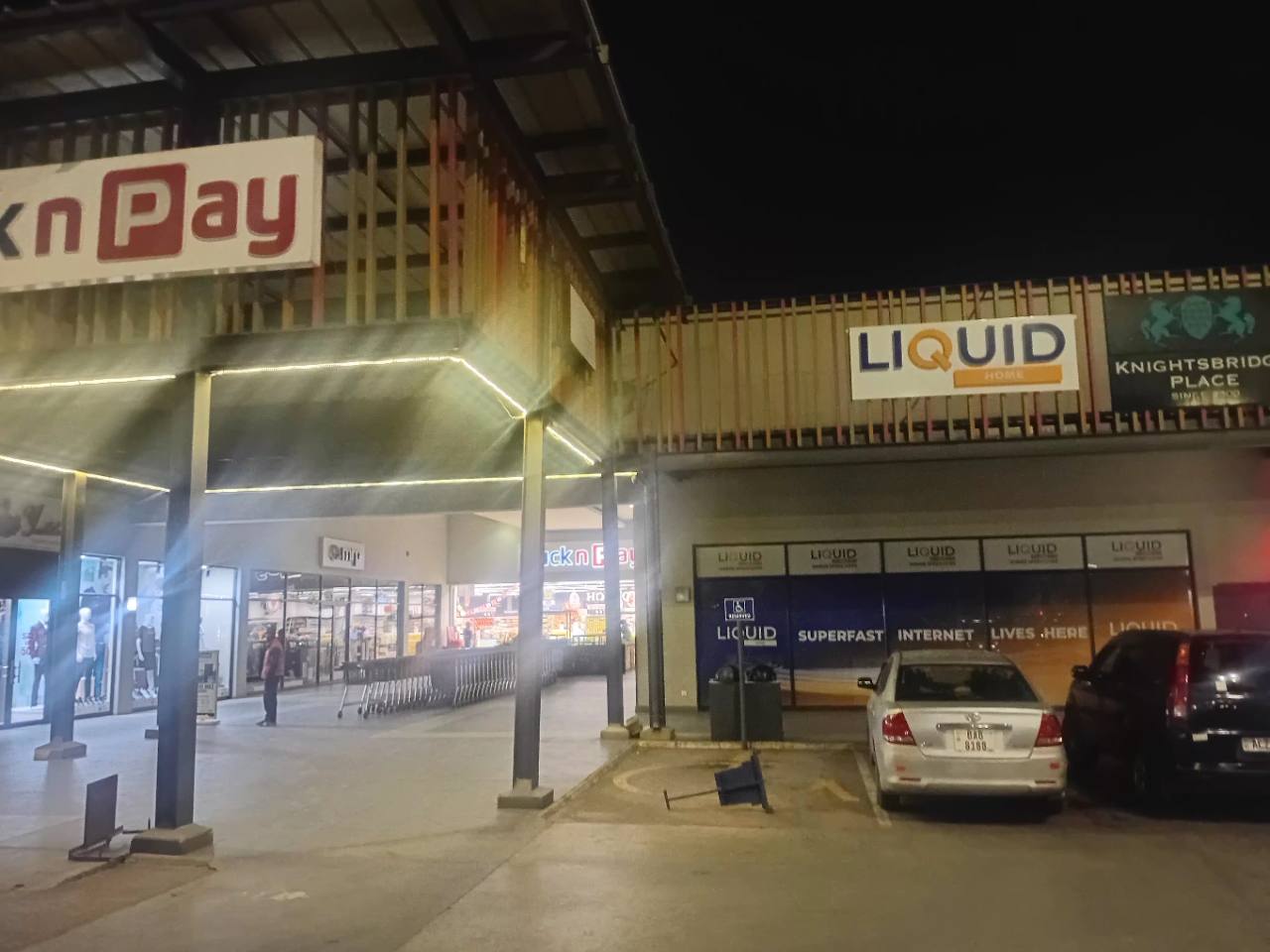
The photographed section of Centro’s parking area was well occupied during the evening visit. Vehicles were also positioned near the retail frontage, while customers moved around the Pick n Pay entrance.
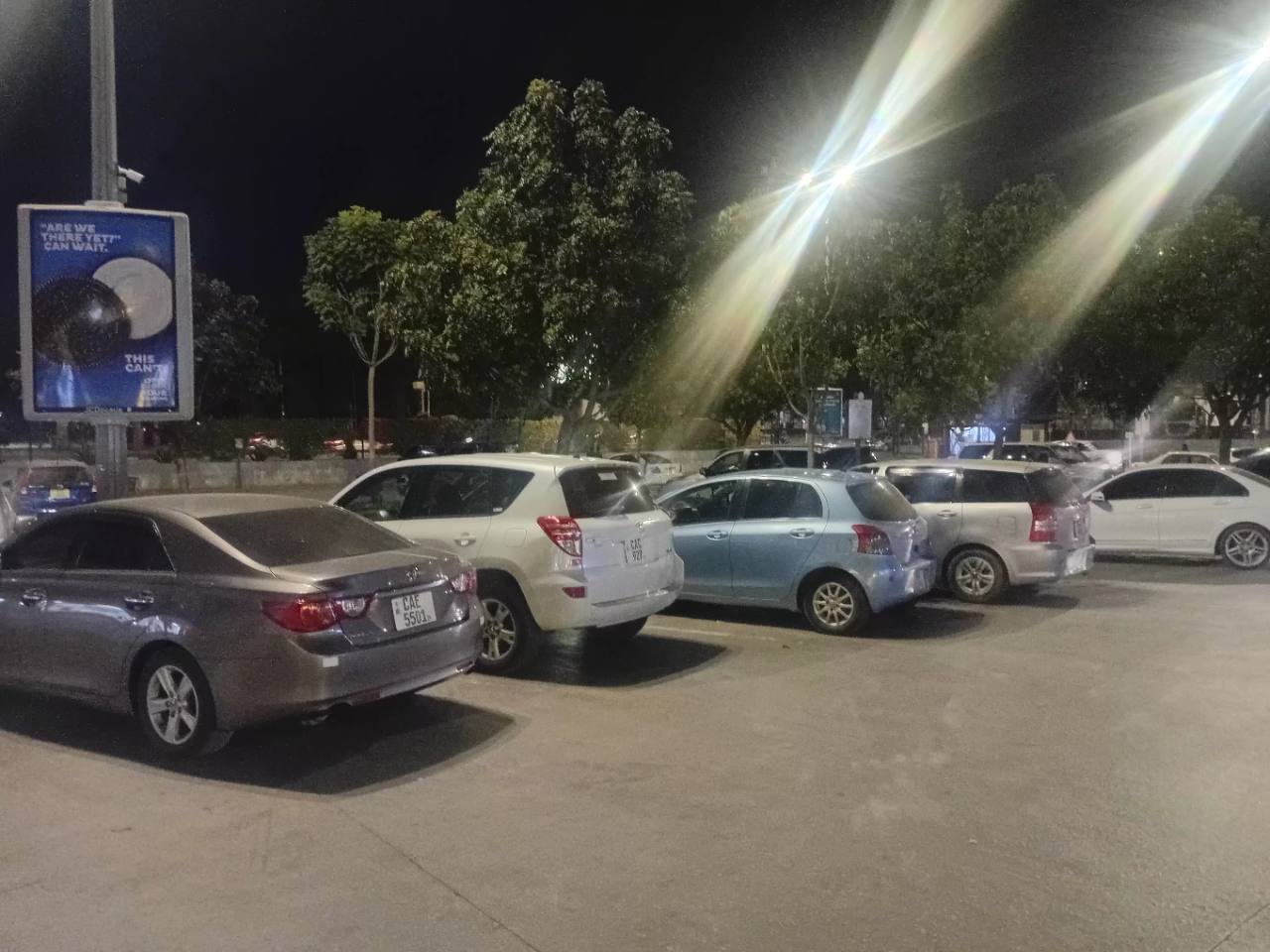
Centro’s official website describes the centre as 7,500 square metres of retail space at the corner of Bishops and Kabulonga Roads. It presents the mall as a convenience destination covering groceries, banking, technology, restaurants, fashion and other household needs.
This mix makes Centro different from a destination built mainly around leisure or a major event. Its value proposition is proximity and convenience: households can combine an essential grocery trip with banking, connectivity, meals or other services in one stop.
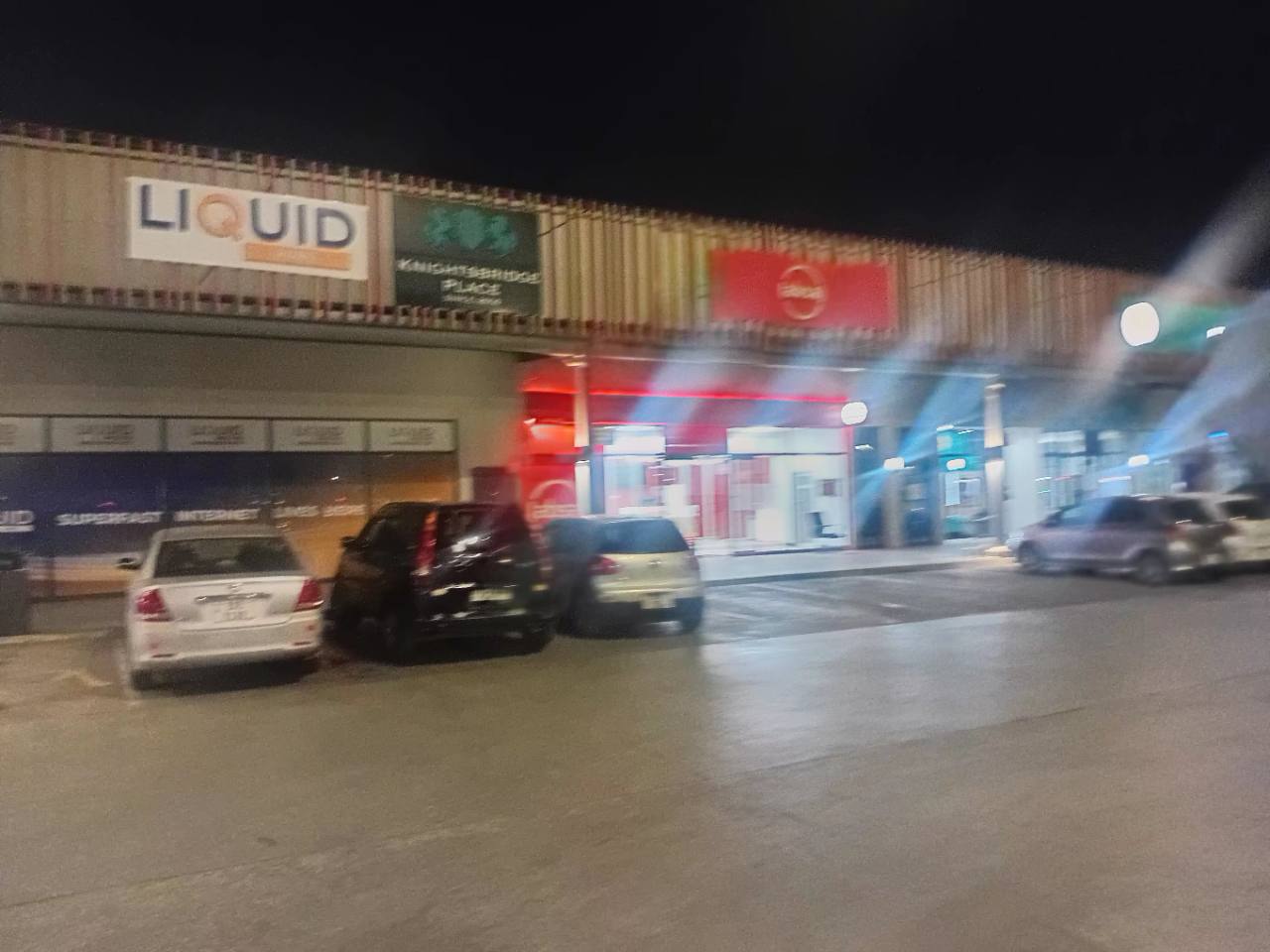
Pick n Pay concentrates the visible evening activity
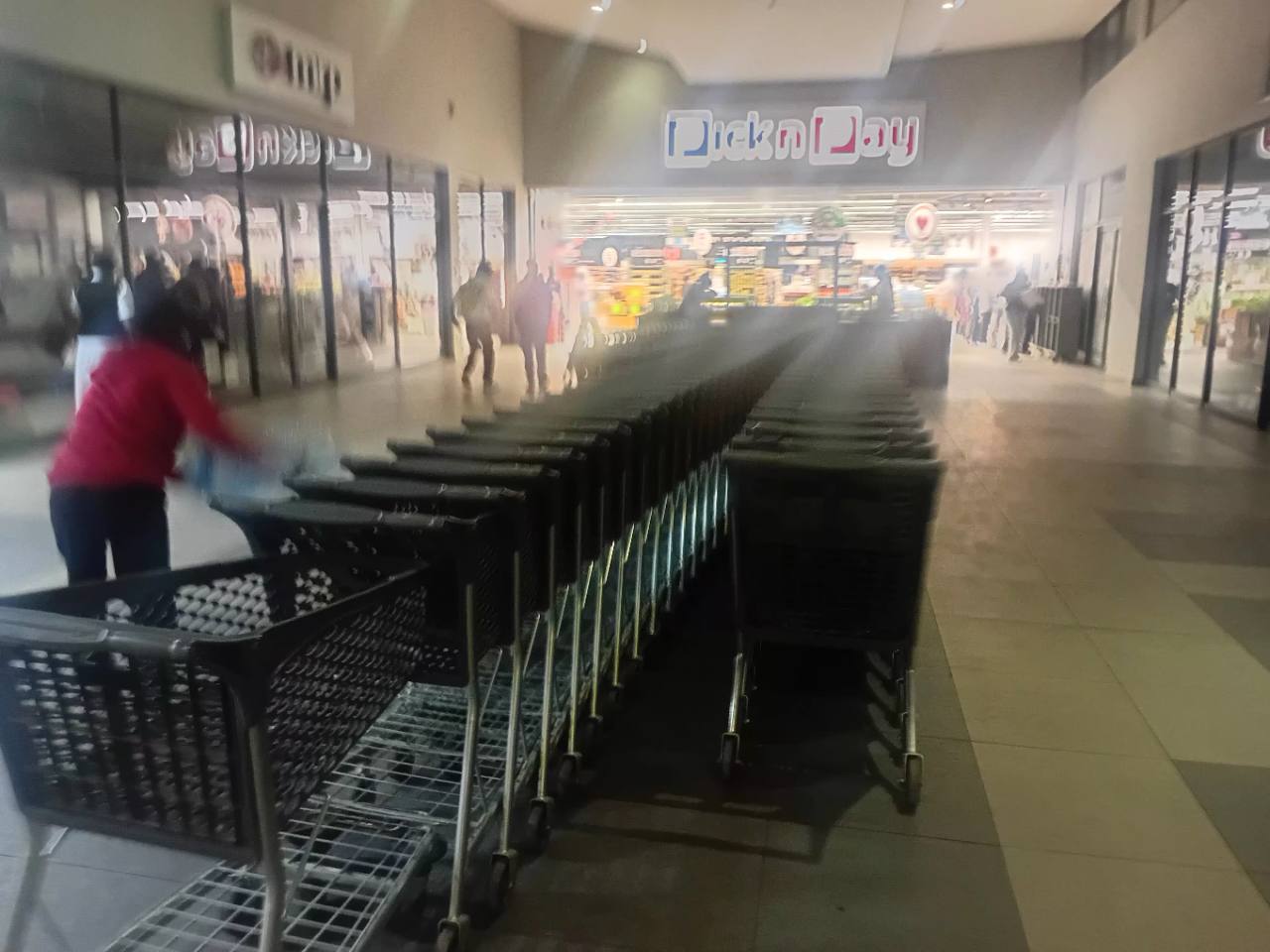
The supermarket was the clearest centre of activity in the photographs. A long row of shopping trolleys stood near the entrance, customers moved through the frontage and grocery displays remained fully presented inside the store.
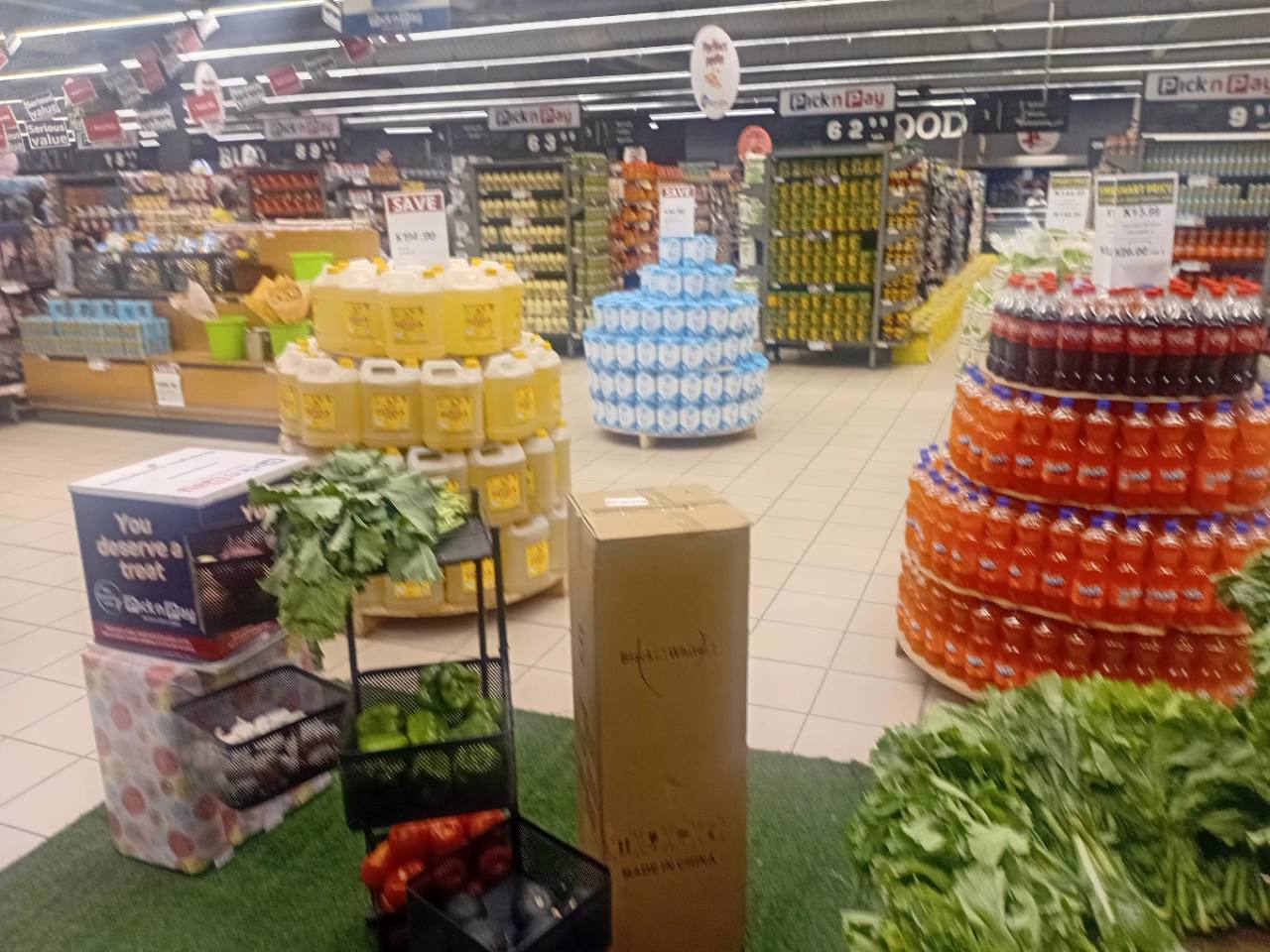
The visible stock included fresh vegetables, cooking products, beverages and other household goods. These are everyday purchases, which means supermarket traffic can continue even when more discretionary parts of the retail economy become quieter later in the day.
A supermarket anchor can also support neighbouring businesses by bringing customers onto the property. The photographs show Liquid Home and other storefronts around the centre, illustrating how groceries, communications and services can share the same flow of visitors.
Evening convenience has economic value
Neighbourhood shopping centres help reduce the time and transport required for routine purchases. Their evening activity is especially relevant for workers and households that cannot shop earlier in the day.
Longer operating hours can create commercial value, but they also bring costs. Retailers must fund lighting, security, staffing, refrigeration and other services for the additional trading period. Evening opening is sustainable when the sales generated are sufficient to cover those extra operating costs.
For customers, the benefit is flexibility. For tenants, the economic question is whether later visits translate into enough transactions across the centre rather than only at the supermarket.
What the photographs can and can’t show
None of this is a sales figure. A parking bay tells you a car is there, not what its owner bought. What the evening did confirm is that Centro’s trolleys were moving and its supermarket entrance stayed busy well after dark u2014 the rest, basket sizes, repeat visits, whether nearby tenants felt any of that traffic, is a question for the till, not the camera.
What the four-stop survey revealed
The Analyst’s Sunday route captured different layers of Lusaka’s consumer economy:
- Agricultural and Commercial Show: large crowds created opportunities for exhibitors, public institutions and traders.
- East Park Mall: a heavily occupied parking area suggested substantial visitor movement near the Showgrounds.
- Novare Pinnacle Mall: the car park was busy while activity appeared more concentrated around Shoprite Select than in some internal corridors.
- Centro Mall: the evening pattern was centred on convenience, groceries and services close to residential neighbourhoods.
Read the Analyst’s earlier reports on the Showgrounds and East Park Mall and anchor-led retail activity at Pinnacle Mall.
These observations are qualitative snapshots, not a citywide retail index. Together, however, they show that consumer activity changes by location, time of day and the main reason people visit each centre.
The survey ends, but the economic question remains
Centro Mall brought the Analyst’s field survey to a close with a clear picture of after-dark convenience retail. Customers were still arriving, vehicles occupied the photographed parking bays and Pick n Pay remained the main visible centre of activity.
The next stage should move from observation to measurement. Foot traffic shows where people are present. Sales, repeat visits and spillovers to surrounding businesses show whether that presence is producing broad and sustainable commercial value.
All photographs were taken by The Zambian Economist Analyst at Centro Mall in Kabulonga, Lusaka, on 2 August 2026.
Grow with The Zambian Economist
Put your organisation, opportunity or expertise in front of Zambia’s business and policy audience:
- List your company in our business directory.
- Advertise with us and reach decision-makers, investors and entrepreneurs.
- Discover business events or submit your event for listing.
- Become a contributor by submitting an original article.