
By Zambian Economist Analyst
Zambia domestic financing 2026 is on course to cover roughly 82 percent of the National Budget, a sharp jump from 55.2 percent in 2021, Secretary to the Treasury Felix Nkulukusa has revealed. The figure represents a 26.8 percentage point rise, or close to 49 percent relative growth, in the share of the budget covered by money raised at home rather than borrowed abroad.
Table of Contents
Zambia Domestic Financing 2026: A Sharp Rise From 55.2% to 82%
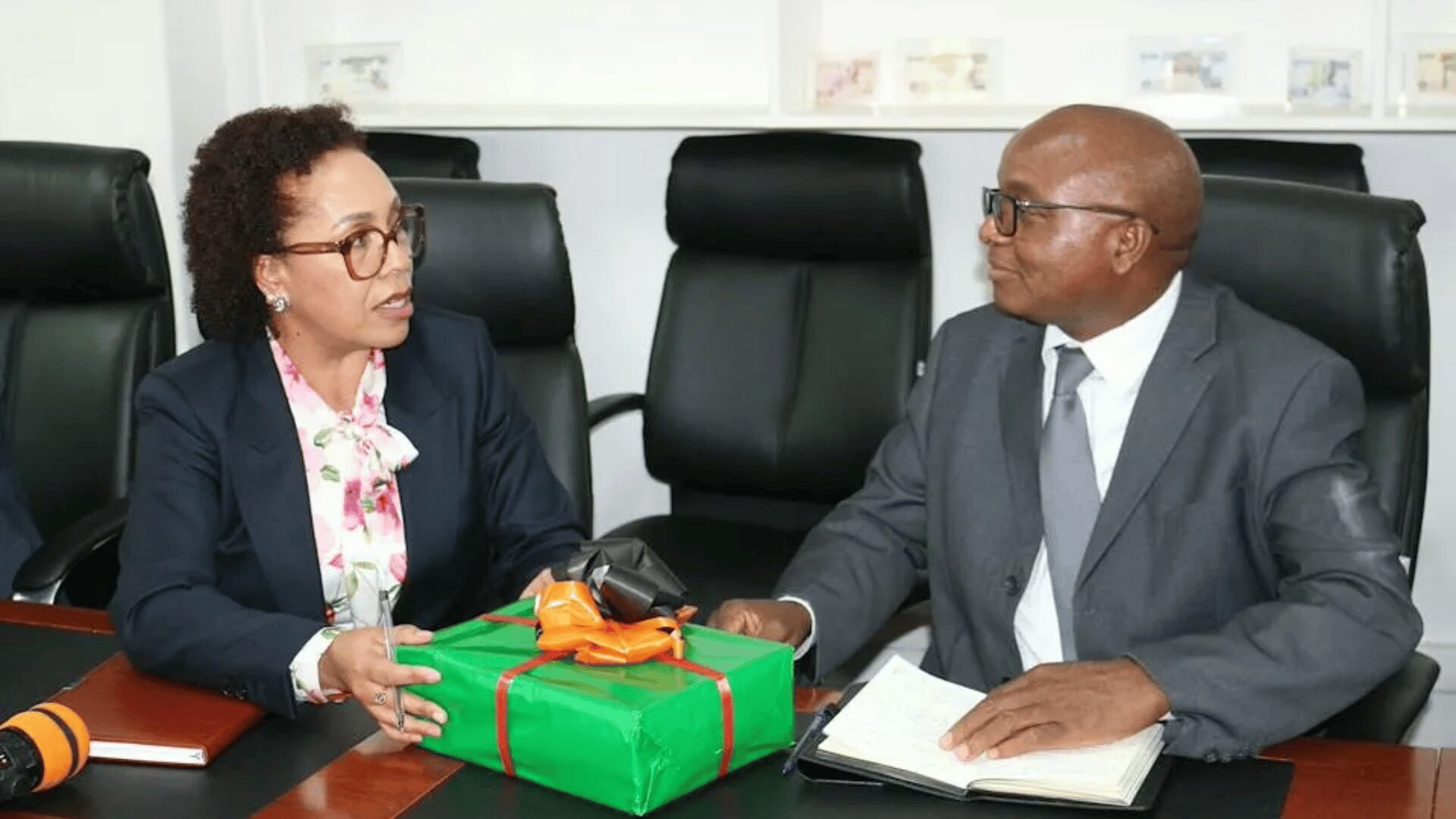
Speaking on Tuesday when newly sworn in Tax Appeals Tribunal Chairperson Diana Bunting and fellow tribunal members paid a courtesy call on the Ministry of Finance and National Planning, Nkulukusa framed the shift as evidence of Zambia’s move away from dependence on external financing and toward genuine fiscal self reliance. Bunting was joined by tribunal members Danmore Mulima, Moono Simatyaba and David Chisupa, all fresh from taking their oaths of office before the Court of Appeal.
The Treasury chief tied this push for domestic financing directly to the tribunal’s mandate. An efficient, independent appeals system, he argued, is what keeps taxpayers willing to comply voluntarily and keeps disputed revenue moving rather than sitting locked up in unresolved cases. Unresolved disputes, he warned, leave penalties piling up for businesses, create operating uncertainty, and delay revenue the government is counting on, a lose lose outcome for everyone involved.
With Zambia’s debt restructuring process now well advanced, Nkulukusa said government attention has shifted to attracting investment, growing economic activity and widening the domestic revenue base. He described ongoing tax reforms as an effort to make the system simpler and fairer for enterprise while still protecting a taxpayer’s right to challenge decisions they believe are wrong. On the tribunal’s independence specifically, he was direct: government’s job is to support the institution, not direct it.
The trend matters beyond the headline figure. A budget funded mostly at home gives Zambia more control over how development spending is sequenced, reduces exposure to currency swings on foreign denominated debt, and signals to rating agencies and investors that the fiscal position is stabilising after the debt restructuring process. It also raises the stakes for institutions like the Tax Appeals Tribunal, since every disputed tax case sitting unresolved is domestic revenue the Treasury cannot yet count.
Tax Appeals Tribunal Sworn In
For her part, Bunting used the courtesy call to lay out an early agenda built around clearing the tribunal’s case backlog, since, in her words, justice delayed is justice denied. She pointed to case management, hearing scheduling and faster, well reasoned decisions as immediate priorities, alongside a longer term push for a formal succession process to avoid future leadership gaps.
Clearing the Backlog and Building for the Future
Bunting also called for stronger funding to support circuit hearings, digital case management systems and continuous professional development, and floated an ambitious long term goal: transforming the tribunal into a specialised Tax Court with full time members.
Tribunal Registrar Yiyemba Kanganja Chirwa added that permanent accommodation for the institution has now been secured, with renovation procurement underway and relocation expected before the end of 2026. A new Client Service Charter, developed with support from Cabinet Office’s Management Development Division, is also part of the tribunal’s push to improve how it serves taxpayers.
A Tribunal With a 27-Year History
The Tax Appeals Tribunal has operated under that name since 2015 legislative reforms, having started life as the Revenue Appeals Tribunal in 1998. It remains the main independent channel for reviewing contested decisions made by the Zambia Revenue Authority, part of the broader push behind Zambia domestic financing 2026 that is also reshaping how the country handles its debt and financing mix. For more on how the 2026 Budget fits together, see our explainer on what every Zambian should know before voting and our analysis of what the next government inherits. For an official government source, see the Ministry of Finance and National Planning.
Related reading: Life After the IMF: What a New Programme Could Mean for Zambia and Zambia’s Debt Restructuring, Two Years On: What Changed for Bondholders
Related analysis: Zambia’s External Debt Dependence Is Shifting to Domestic Capital Formation by Kelvin Chisanga.
Related: Zambia has opened consultations on the 2027–2031 Medium-Term Revenue Strategy, covering tax predictability, compliance and domestic development financing.
Follow-up, 3 September: the five-year plan behind that domestic revenue push is now in consultation. Kelvin Chisanga on the 2027–2031 Medium-Term Revenue Strategy: tax the economy better, not more.