
High Court and Constitutional Court premises were closed in several Zambian cities on Monday as opposition leader Brian Mundubile approached the deadline for a petition against the 13 August presidential election result.
Key takeaways
- Court premises in Lusaka, Chipata, Kitwe and Solwezi were closed, with armed police restricting public access.
- A Judiciary memorandum cited security reasons, while police said assessments were continuing and gave no further details.
- The closures came on the final day Brian Mundubile was expected to file a Constitutional Court petition challenging the presidential result.
- The Tonse Pamodzi Alliance said it was consulting legal experts and argued that autonomous courts must remain available for electoral disputes.
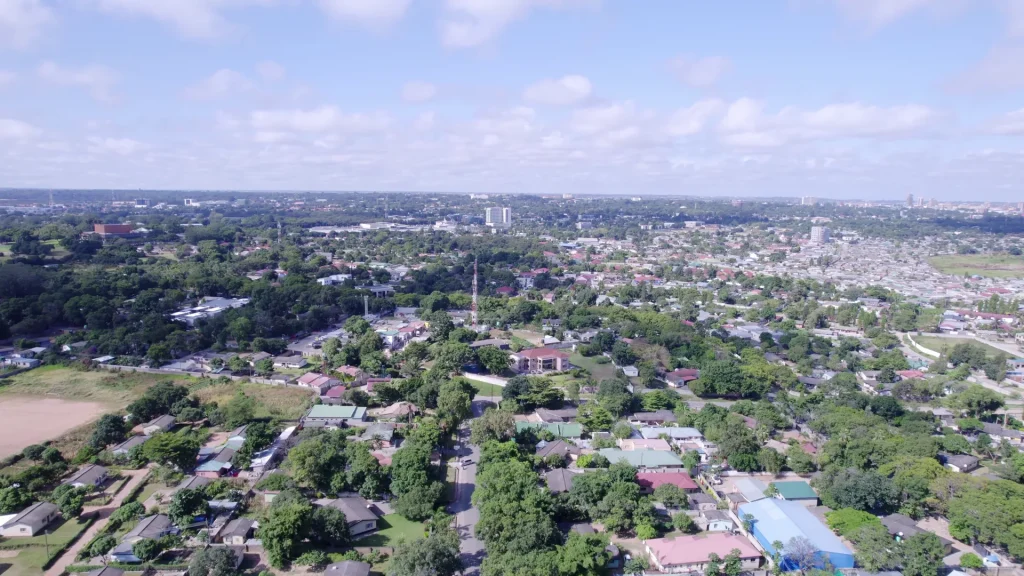
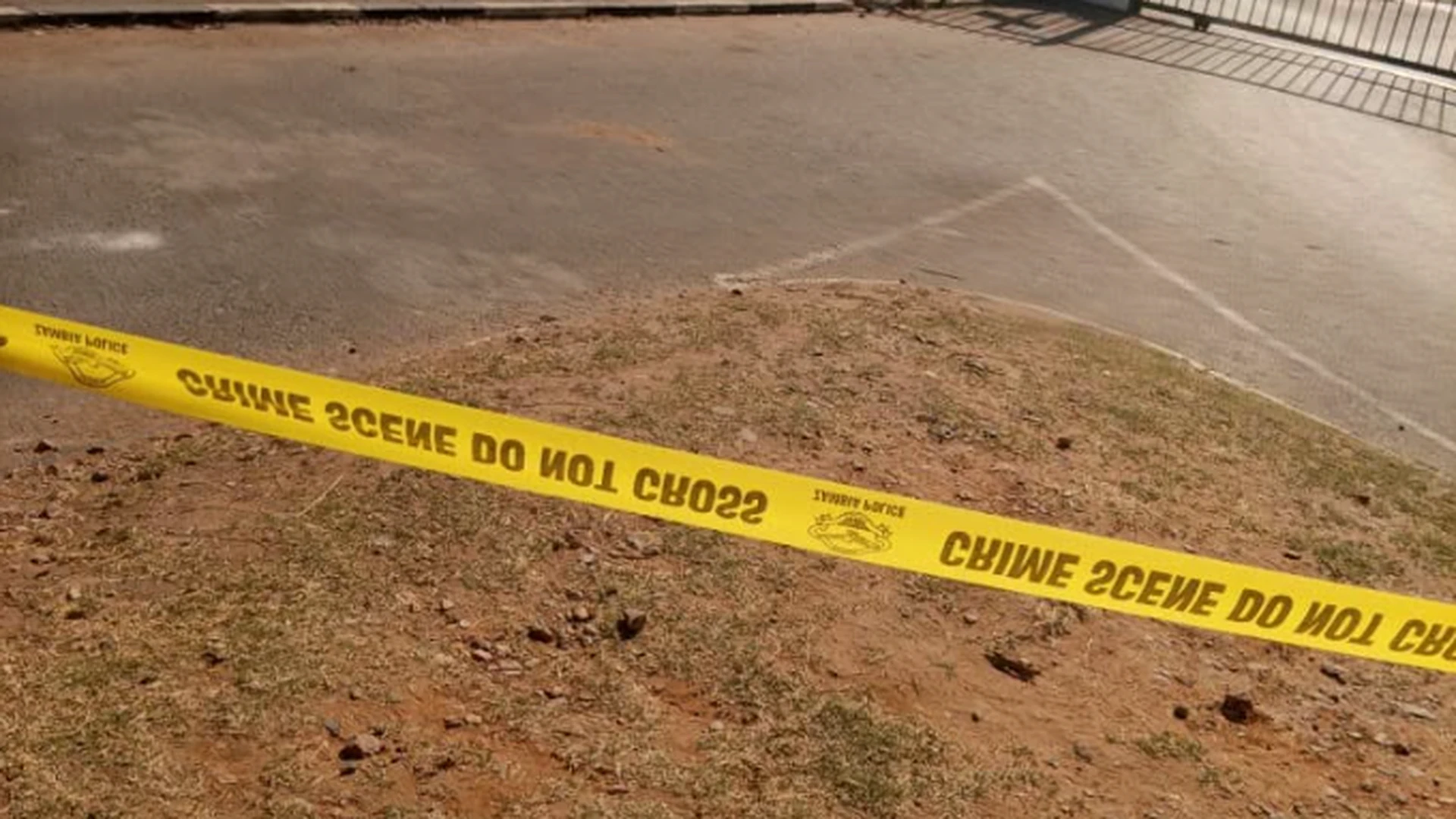
High Court and Constitutional Court premises in Lusaka and other provincial centres were closed to the public on Monday, 24 August, with armed police deployed and access restricted. The timing placed Zambia’s courts at the centre of a developing dispute over access to the legal process on the last day available for a presidential election challenge.
High Court and Constitutional Court premises were closed in Lusaka, Chipata, Kitwe and Solwezi, while the Ministry of Home Affairs and Internal Security headquarters in Lusaka was also closed.
What closed and what officials said
A memorandum from the Judiciary’s Chief Administrator advised staff not to report for work for security reasons. Reuters reported that police spokesperson Godfrey Chilabi said security assessments were under way but declined to provide details. Reuters was unable to reach a Judiciary spokesperson for comment.
The available reports did not identify the security threat or explain whether alternative arrangements had been made for urgent and time-bound filings. Court users with ordinary matters were also affected, although the duration of the closure was not immediately clear.
Tonse Pamodzi Alliance spokesperson Dr Lawrence Mwelwa said the alliance was consulting legal experts and expected to issue an update later on Monday. He said the courts should remain autonomous and provide a forum for resolving electoral disputes.
Why the 24 August deadline matters
Mundubile said last week that he intended to challenge the presidential result, alleging irregularities in the vote-counting process. Those claims have not been determined by a court.
Zambia’s Constitutional Court Rules require a presidential election petition to be filed within seven days of the declaration of the result. Monday was reported as the final day of that window.
The Electoral Commission of Zambia declared President Hakainde Hichilema the winner after the 13 August vote. Hichilema received about 60% of the presidential vote and Mundubile about 38%, according to Associated Press coverage of the declaration. The Zambian Economist’s earlier report has the full election result and economic context.
What the closures mean for institutions and business
The immediate issue is access to justice. Electoral disputes are designed to move from political contest into a defined legal process. When court premises are inaccessible during a filing deadline, the public needs a prompt explanation of the security basis, the duration of the restriction and any alternative filing procedure.
There is also a narrower business effect. High Court closures can delay commercial cases, urgent applications and other matters that depend on judicial access. If the disruption is brief, the economic cost may be limited to postponed hearings and administrative delays. A prolonged or unexplained closure would carry a larger cost by weakening confidence in the predictability of public institutions.
For investors, the concern is not a single day of lost court business. It is whether Zambia’s constitutional dispute-resolution process remains clear and usable during a contested election. Predictable rules and enforceable deadlines are part of the same institutional framework businesses rely on for contracts, property rights and regulatory decisions.
What happens next
Four developments now matter: whether the courts reopen, whether an alternative filing mechanism is announced, whether Mundubile’s petition is formally lodged, and what explanation the Judiciary or police provides for the security action.
Until those points are confirmed, the closure should not be treated as proof of either the opposition’s allegations or any attempt to prevent a petition. It does, however, require a clear public account because it occurred during a constitutionally time-sensitive process.
Related coverage
- Zambia Economy This Week: A Court Deadline and Seven Days to a New Term
- Zambia Economy This Week: A Re-election, a Court Date and a Market That Barely Moved
- Judicial Independence Key to Fair Election Outcomes, Says Chief Justice Malila
- ECZ Lifts Vote-Count Suspension as Zambia’s Election Stays Unsettled
WARNING! All rights reserved. This material and all other digital content on this website may not be reproduced, published, broadcast, rewritten, or redistributed, in whole or in part, without the prior express permission of The Zambian Economist. Where permission is granted, the content must be clearly credited to “The Zambian Economist,” with “www.zambianeconomist.com” prominently displayed.
WhatsApp: +260775574228 | Email: info@zambianeconomist.com
© 2026 The Zambian Economist.