

CHAMA, Zambia: Senior Chief Kambombo of Chama District has congratulated President Hakainde Hichilema on his re-election for a second term in office.
Key takeaways
- Senior Chief Kambombo of Chama District has congratulated President Hichilema on winning a second term in the 13 August election.
- The chief praised the first term’s record in the education sector and asked that developmental programmes continue.
- He wants the Farmer Input Support Programme (FISP) widened to cover more beneficiaries, alongside greater investment in agriculture.
- He has appealed for works on the Chama-Lundazi and Chama-Matumbo roads, which he says the district depends on to connect with the rest of the country.
The traditional leader of Chama in Muchinga Province delivered his message in an interview with ZNBC News, commending President Hichilema’s first-term record with particular reference to education. Alongside the congratulations came a request list: more farmers on FISP, more money in agriculture, and attention to two roads that decide how easily Chama trades with the rest of Zambia.
What the chief told ZNBC
Kambombo commended what he described as significant achievements during the first term, reserving his strongest praise for the education sector. He urged the President to continue implementing developmental programmes in the new term.
The endorsement carries weight well beyond courtesy. In districts like Chama, traditional leaders shape how national policy is received on the ground, and a public request list from a senior chief tends to travel.
A push for a bigger FISP and more money in farming
Central to his message is the Farmer Input Support Programme, the government’s main vehicle for delivering subsidised seed and fertiliser to smallholder farmers each season. The chief called for the number of beneficiaries to increase, arguing that agriculture can accelerate development because the majority of Zambians depend on it.
Every expansion of the beneficiary list has a price attached. More farmers means more inputs to procure and distribute, and the chief’s request did not come with a figure. What it does is place FISP near the front of the queue of demands on the second term’s first budget.
The two roads Chama wants fixed
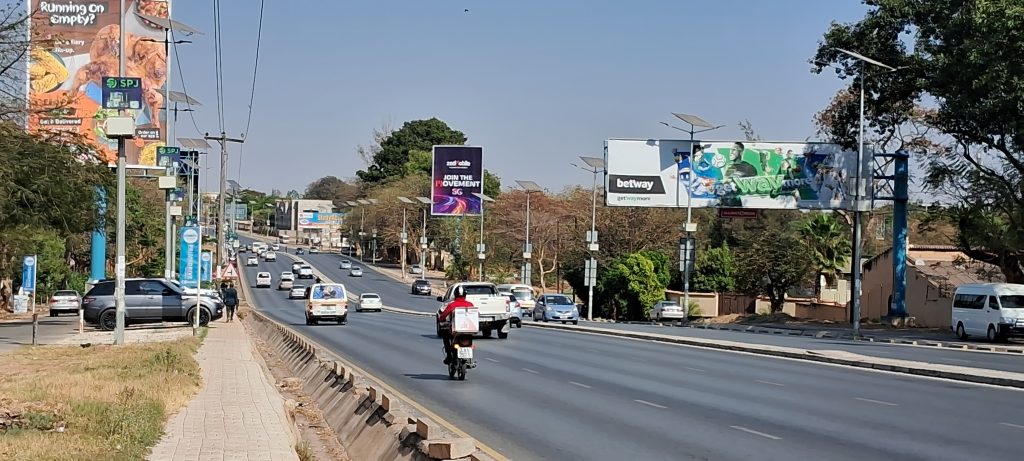
Kambombo also appealed to government to work on the Chama-Lundazi and Chama-Matumbo roads, describing them as central to connecting the district to other parts of the country.
The economics are straightforward. When rural roads deteriorate, the cost of moving inputs in and produce out rises, and buyers discount what they offer farmers at the gate. For a district that lives on farming, the state of its roads feeds directly into household incomes.
An early agenda for the second term
The chief’s congratulation follows messages from institutions and governments abroad, including the International Monetary Fund and Egyptian President Abdel Fattah El-Sisi. Taken together, they frame the opening pressure points of the new term: reform expectations from lenders, diplomatic engagement, and at home, the practical demands of rural economies like Chama’s.
Questions for the new term
- How many more farmers can FISP absorb in the 2026/27 farming season, and at what cost to the Treasury?
- When will works on the Chama-Lundazi and Chama-Matumbo roads begin, and under which budget?
- Will agriculture’s share of public spending rise to match the sector’s weight in the livelihoods the chief describes?
This report is based on remarks by Senior Chief Kambombo in an interview with ZNBC News. The Zambian Economist has not independently verified the state of the roads or current FISP beneficiary numbers.
Related coverage and resources
- IMF Congratulates Hichilema, Signals Support for Zambia’s Next Reform Phase
- Egypt’s El-Sisi Congratulates Hichilema, Seeks Deeper Zambia Ties
- Njala Insurance: The Case for Paying Zambia’s Drought Cover in Maize, Not Kwacha
- Read more Leadership and Governance coverage
- Find organisations in the Zambia Business Directory
- View upcoming business and economic events
WARNING! All rights reserved. This material and all other digital content on this website may not be reproduced, published, broadcast, rewritten, or redistributed, in whole or in part, without the prior express permission of The Zambian Economist. Where permission is granted, the content must be clearly credited to “The Zambian Economist,” with “www.zambianeconomist.com” prominently displayed.
WhatsApp: +260775574228 | Email: info@zambianeconomist.com
© 2026 The Zambian Economist.