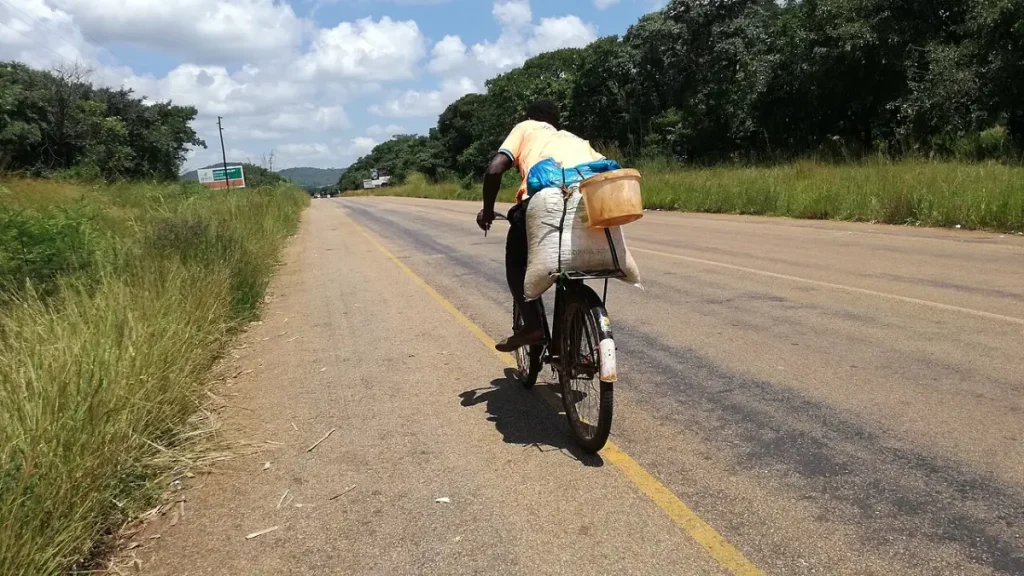


ZAFFICO’s talks with the Ministry of Green Economy and Environment put plantation expansion and smallholder partnerships on the agenda. Turning trees into dependable farm income will require clear buying arrangements and support that lasts beyond planting day.
Key takeaways
- ZAFFICO says it manages 62,733 hectares of pine and eucalyptus plantations and aims to reach 100,000 hectares by 2028.
- That would mean an additional 37,267 hectares, an increase of about 59%, calculated from the figures in the announcement.
- Minister Gilbert Siame has called for structured forest out-grower partnerships linking smallholders with large buyers.
- The proposed approach could broaden rural income opportunities, but farmers need clear terms on prices, costs and when they will be paid.
- ZAFFICO’s value-addition plans will depend on a reliable, sustainably managed raw-material supply.
ZAFFICO is seeking closer cooperation with the Ministry of Green Economy and Environment as it pursues a plantation expansion target of 100,000 hectares by 2028. The engagement also raised the prospect of bringing more smallholder farmers into commercial forestry through structured out-grower partnerships.
For a farming household, the attraction is a potential buyer for trees grown on suitable land. The harder questions concern the years before harvest: who pays for establishment and maintenance, how the selling price is determined and what happens if the crop is damaged.
What ZAFFICO and the ministry discussed
Managing Director Mundia Mundia held a courtesy meeting with Green Economy and Environment Minister Dr Gilbert Siame and Permanent Secretary Dr Douty Chibamba, according to the account of the engagement.
Mundia said ZAFFICO remained committed to supporting government through closer collaboration with agencies including the Forestry Department. He linked the company’s strategy to the government ambition, cited during the meeting, to plant two million hectares of trees by 2031.
ZAFFICO reported that it currently manages 62,733 hectares of pine and eucalyptus plantations across the Copperbelt, Luapula, Muchinga, Northern and North-Western provinces. Its ambition is to expand that area to 100,000 hectares by 2028.
The company target and the national ambition describe different scales of activity. They should not be added together as if they were separate, fully financed planting programmes. The meeting account does not establish how much of the national ambition would be delivered by ZAFFICO or by participating farmers.
What would reaching 100,000 hectares involve?
| Measure | Hectares |
|---|---|
| Area currently managed, as reported | 62,733 |
| Company target for 2028 | 100,000 |
| Additional area implied | 37,267 |
Figures from the engagement announcement; the difference and approximate 59% increase are The Zambian Economist’s calculations. The target is a plan, rather than area already established.
The expansion ambition is consistent with ZAFFICO’s published 2024–2028 strategic plan, which identifies industrial plantations and agroforestry products as part of its business mission.
The Industrial Development Corporation has also described plantation expansion to 100,000 hectares by 2028 alongside investment in processing. Its account uses a rounded starting figure of 62,000 hectares; the more precise 62,733 figure here is attributed to the latest engagement announcement.
How could a forest out-grower scheme help farmers?
Siame said a well-structured scheme could connect smallholders with large buyers such as ZAFFICO, attract private investment and improve sustainable sourcing. He linked that approach to higher farmer incomes and better livelihoods.
In a forestry out-grower arrangement, growers produce trees under an agreed relationship with a buyer. Depending on the contract, support might include seedlings, technical advice or help with establishment. None of those benefits should be assumed before the scheme’s terms are published.
A dependable buyer can make it easier to plan an investment. A buyer, in turn, benefits from a wider supply base that meets its quality and delivery requirements. Both sides need to understand their obligations before planting begins.
The account of the meeting does not announce an enrolment window, a farmgate price or a guaranteed return. Farmers should therefore treat the discussion as a policy and business direction, rather than an invitation to join an already specified programme.
The contract will determine the income opportunity
Tree growing commits land and labour over time. A household needs to know how it will cover expenses before the trees generate sales, and how forestry fits alongside its food crops and other income sources.
Clear agreements should explain the species and quality required, harvesting arrangements and transport costs. They should also set out how prices will be calculated, when payment falls due and how disputes will be resolved.
Risk-sharing matters. Fire, poor seedling survival and other damage can affect the grower’s expected income and the buyer’s supply. The responsibilities for prevention, losses and any replanting should be explicit.
Published participation criteria and accessible extension advice would help smaller growers understand whether the opportunity suits their land and circumstances. The number of growers enrolled would be useful to track, alongside survival rates and payments actually received.
Value addition needs a dependable wood supply
ZAFFICO’s processing investments make the raw-material question more pressing. A factory needs suitable timber arriving in the right quantities and at a manageable cost. Planting more hectares will support that objective only if trees survive and are managed through to harvest.
There could also be business opportunities in nurseries, plantation maintenance, harvesting and transport. The meeting account provides no quantified employment forecast, so the scale of any additional jobs remains to be established.
Sustainable sourcing requires attention to land rights and appropriate sites as well as production volumes. Commercial pine and eucalyptus plantations serve a different purpose from conserving indigenous woodland. An increase in plantation area should not automatically be presented as equivalent to restoring a natural forest.
Our analysis of trees, food security and household livelihoods explains why suitable species, existing habitats and long-term care matter alongside planting targets.
What would show that the partnership is working?
The next useful step would be a clear programme setting out where out-grower partnerships will operate, who can participate and how growers will be supported. A planting schedule and transparent reporting would also help the public track progress towards the company’s 2028 target.
The economic test is whether the model delivers reliable wood supplies while leaving participating farmers with worthwhile earnings after their costs. Hectares planted are a starting measure. Surviving trees, workable contracts and payments to growers will show whether the forest economy is reaching rural households.
Explore our Agriculture & Mining coverage and related analysis of farm markets, transport and jobs.
WARNING! All rights reserved. This material and all other digital content on this website may not be reproduced, published, broadcast, rewritten, or redistributed, in whole or in part, without the prior express permission of The Zambian Economist. Where permission is granted, the content must be clearly credited to “The Zambian Economist,” with “www.zambianeconomist.com” prominently displayed.
WhatsApp: +260775574228 | Email: info@zambianeconomist.com
© 2026 The Zambian Economist.
Work With The Zambian Economist
Advertise With Us | List With Us | Submit an Article
Subscribe to our weekly briefing | Events | About Us | Contact Us