
Key takeaways
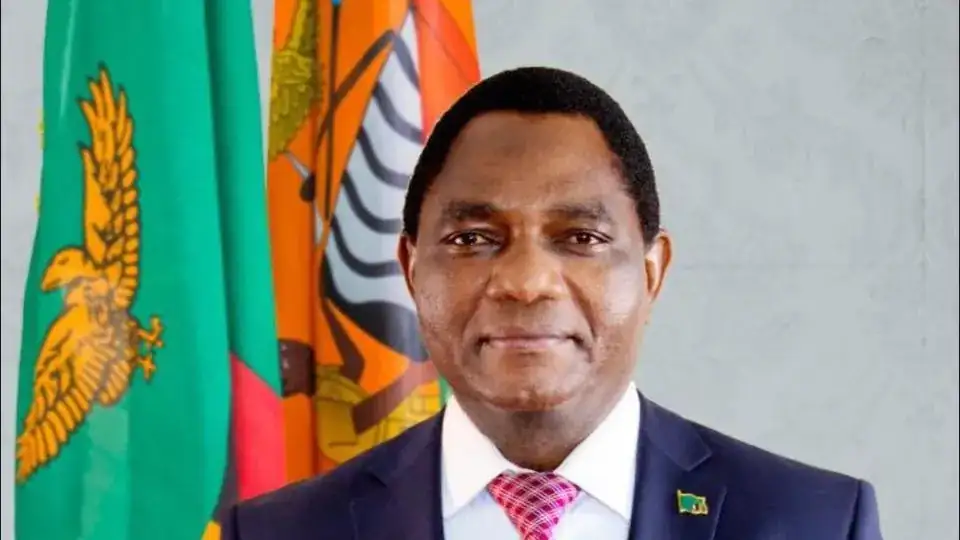
- President Hakainde Hichilema travels to Harare for the 25th COMESA Summit of Heads of State and Government on Thursday, 22 October 2026.
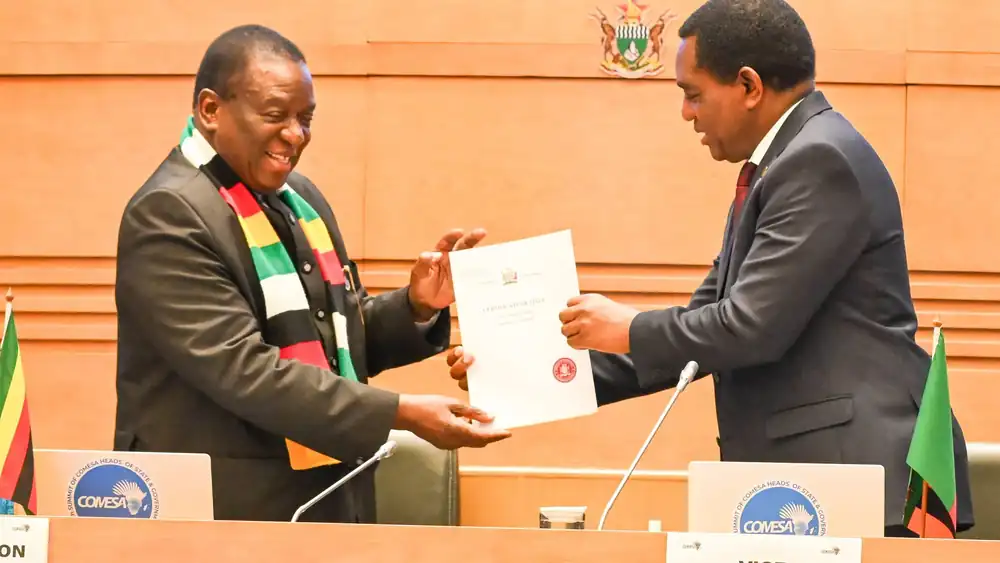
- Zimbabwe’s President Emmerson Mnangagwa takes over the COMESA chair from Kenya’s William Ruto, with Eswatini as vice-chair and Kenya as rapporteur.
- Foreign Affairs Minister Mulambo Haimbe says Zambia will push for the removal of trade barriers, stronger regional value chains and better connectivity.
- The stakes for Zambian exporters are real: the DRC, a COMESA member, took about 36 percent of Zambia’s non-traditional exports in 2023, while the bloc’s internal exports have fallen about 28 percent from their 2023 peak.
President Hakainde Hichilema is expected in Harare, Zimbabwe, for the 25th Summit of Heads of State and Government of the Common Market for Eastern and Southern Africa (COMESA) on Thursday, 22 October 2026. The summit runs under the theme “One Market, One Future: Advancing Inclusive Industrialisation, Investment and Regional Integration in COMESA”, and Zambia, which hosts the COMESA Secretariat in Lusaka, wants it to produce fewer border obstacles for its goods.
Foreign Affairs and International Cooperation Minister Mulambo Haimbe announced the trip in a statement. He said the President’s attendance reflects Zambia’s commitment to regional integration and to the Grow Zambia Agenda, the government’s programme for growth, trade, investment and opportunities for local firms.
What Zambia wants from Harare
Mr Haimbe set out three asks. Zambia will press for the removal of trade barriers, stronger regional value chains and improved connectivity between member states. President Hichilema is expected to discuss practical steps on integration and industrialisation with fellow leaders, and to hold bilateral meetings on the sidelines focused on trade, investment and Zambia’s development priorities.
The minister said the aim is wider markets for Zambian goods and services, more value addition at home and more room for local enterprises to compete. Those are government objectives, and the summit itself will not deliver them. What it can do is set the direction that the COMESA Council of Ministers and national customs authorities then have to implement.
Why the numbers make this summit matter for Zambia
COMESA brings together 21 member states with a combined population of more than 640 million people and a total GDP of about US$1.2 trillion, according to figures cited by Zimbabwe’s foreign ministry ahead of the summit. On paper that is a large market. In practice, member states still trade relatively little with each other.
A ZimTrade trade brief reported by Zimbabwe’s Herald newspaper this month puts intra-COMESA exports at US$13 billion in 2025, down from a peak of US$18 billion in 2023. That is a fall of roughly 28 percent in two years.
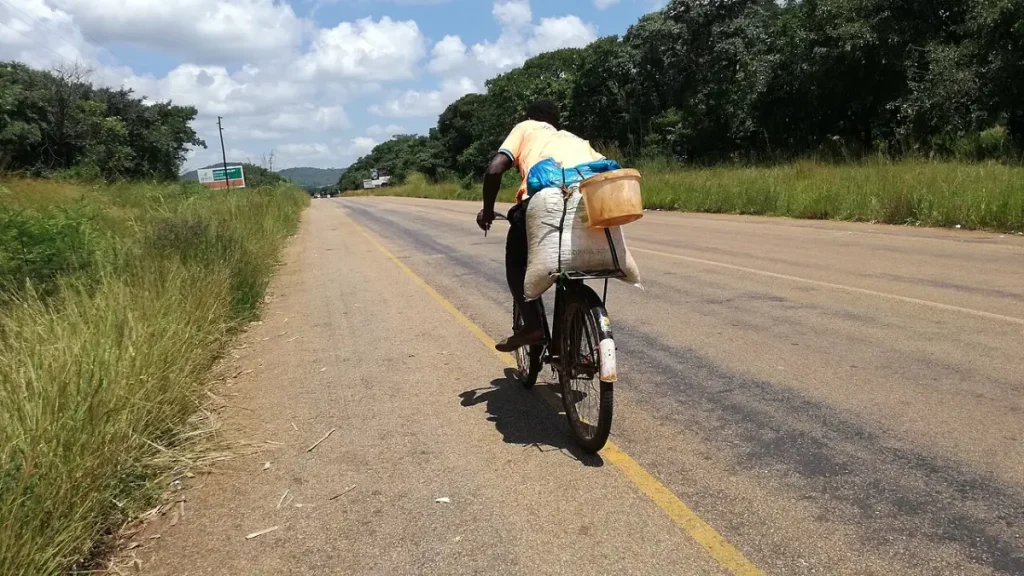
For Zambia the regional market is far from abstract. The Zambia Development Agency’s 2023 Exporter Survey found that the Democratic Republic of Congo, a COMESA member, absorbed US$1.54 billion of Zambia’s non-traditional exports that year, about 36 percent of the total. Combined COMESA and SADC markets took US$1.95 billion, or 46 percent. When a truck of cement, maize meal or steel is held at a border post, it is often these markets that are affected.
| Indicator | Figure | Source |
|---|---|---|
| COMESA member states | 21 | Government of Zimbabwe |
| Combined population | 640 million+ | Government of Zimbabwe |
| Combined GDP | About US$1.2 trillion | Government of Zimbabwe |
| Intra-COMESA exports, 2023 peak | US$18 billion | ZimTrade |
| Intra-COMESA exports, 2025 | US$13 billion | ZimTrade |
| DRC share of Zambia’s non-traditional exports, 2023 | About 36% | Zambia Development Agency |
Zimbabwe takes the chair
The summit will oversee the handover of the COMESA Authority chair from Kenyan President William Ruto to President Mnangagwa. The new bureau will have Zimbabwe as chairperson, Eswatini as vice-chairperson and Kenya as rapporteur. Under COMESA’s rotation, the host country usually holds the chair for one year, which places Zimbabwe at the head of the bloc for 2026 to 2027.
That has a practical edge for Zambia. Zimbabwe is a direct neighbour and a close trading partner: ZimTrade data shows Zimbabwe’s exports to Zambia rose from US$52.6 million in 2020 to US$131.4 million in 2025, making Zambia Zimbabwe’s most important COMESA market. A chair whose own trade depends heavily on the Zambian border has reason to take cross-border friction seriously. Zimbabwe last hosted the summit in Victoria Falls in 2009, when the COMESA Customs Union was launched.
What is on the agenda?
According to Mr Haimbe, leaders will review progress on regional integration and consider priority programmes to speed up economic cooperation. They will also consider decisions and reports from lower policy organs, including the COMESA Council of Ministers and ministers responsible for foreign affairs, together with the outcomes of the 19th COMESA Business Forum held in Harare earlier this week.
Zimbabwean officials have been blunt about the gap between promises and delivery. Zimbabwe’s Industry and Commerce Minister Mangaliso Ndlovu told business delegates that the immediate task was to “convert these commitments into implementation”.
What it means for Zambian businesses and investors
For exporters
Firms selling into the DRC, Zimbabwe, Malawi and Kenya should watch for summit decisions on non-tariff barriers, such as permit delays, duplicated inspections and inconsistent rules of origin. These add cost even where tariffs are already zero under the COMESA Free Trade Area.
For investors
Zambia’s pitch to investors leans on access to regional markets beyond its own population of about 21 million. Commitments on value chains, particularly around copper, cobalt and agro-processing, would strengthen that case. Statements without timelines would not.
For ordinary Zambians
Smoother borders mean lower transport costs, which feed into the price of imported goods and the earnings of local producers who sell abroad. The effect is slow and indirect, and it depends on what customs officers at Chirundu, Kasumbalesa and Victoria Falls actually do after the summit ends.
What happens next
Mr Haimbe said Zambia, as host of the COMESA Secretariat, remains committed to the organisation’s objectives and will keep working with other member states. President Hichilema is expected to return home after his engagements in Zimbabwe. The summit communiqué, normally issued at the close, will be the first test of whether Zambia’s three asks made it onto the bloc’s to-do list. The Zambian Economist will report on the outcome.
Related coverage: Hichilema Swears In Four Ministers: Haimbe Returns at Foreign Affairs | Musokotwane Pivots Zambia Toward Export-Led Growth | Zambia After the Oath: The Economic and Diplomatic Tests of Hichilema’s Second Term | Business Directory | Events
WARNING! All rights reserved. This material and all other digital content on this website may not be reproduced, published, broadcast, rewritten, or redistributed, in whole or in part, without the prior express permission of The Zambian Economist. Where permission is granted, the content must be clearly credited to “The Zambian Economist,” with “www.zambianeconomist.com” prominently displayed.
WhatsApp: +260775574228 | Email: info@zambianeconomist.com
© 2026 The Zambian Economist.