Government wants K19.9 billion in extra spending this year, most of it to settle what the Food Reserve Agency owes farmers for a record maize intake, and it plans to borrow nearly all of it at home.
By The Zambian Economist Analyst
KEY TAKEAWAYS
- Finance Minister Dr Situmbeko Musokotwane has tabled a K19.9 billion supplementary budget, with K14.7 billion to pay farmers who sold maize to the Food Reserve Agency (FRA).
- The FRA bought 2.7 million tonnes this season against a target of 500,000 tonnes, more than five times the plan, as government built reserves ahead of an El Niño year in 2027.
- The Ministry of Agriculture gets K15.8 billion in total, including K1.1 billion for the Farmer Input Support Programme.
- Government plans to raise K18 billion on the domestic market to fund the package, about nine of every ten kwacha requested.
- The estimates sit with the Expanded Planning and Budgeting Committee and still need parliamentary approval.
Finance and National Planning Minister Dr Situmbeko Musokotwane has asked Parliament for K19.9 billion in additional spending for 2026. The bulk of it, K14.7 billion, is meant to pay farmers who sold maize to the Food Reserve Agency during this year’s marketing season.
The minister told the National Assembly that the FRA bought 2.7 million tonnes of maize, against a purchase target of 500,000 tonnes. Government chose to take in the bumper harvest to build national reserves before a lean 2027, when an El Niño event is expected to cut rainfall across southern Africa.
Where the money goes
The Ministry of Agriculture would receive K15.8 billion. That covers the FRA payments and K1.1 billion for the Farmer Input Support Programme, which supplies seed and fertiliser for the coming season.
Other allocations named in the estimates are smaller:
- Ministry of Finance and National Planning: K1.3 billion
- Higher Education Loans and Scholarship Board: K540 million
- Ministry of Defence: K422.5 million
- Contingency Vote: K300 million
The estimates have been referred to the Expanded Planning and Budgeting Committee. They remain subject to parliamentary approval.
A harvest bought on credit
Buying five times the planned volume solved one problem and created another. Farmers had a guaranteed buyer for a record crop, and the country now holds a large buffer against drought. But the FRA’s budget was sized for 500,000 tonnes, so the extra grain became a bill that the original 2026 budget did not cover.
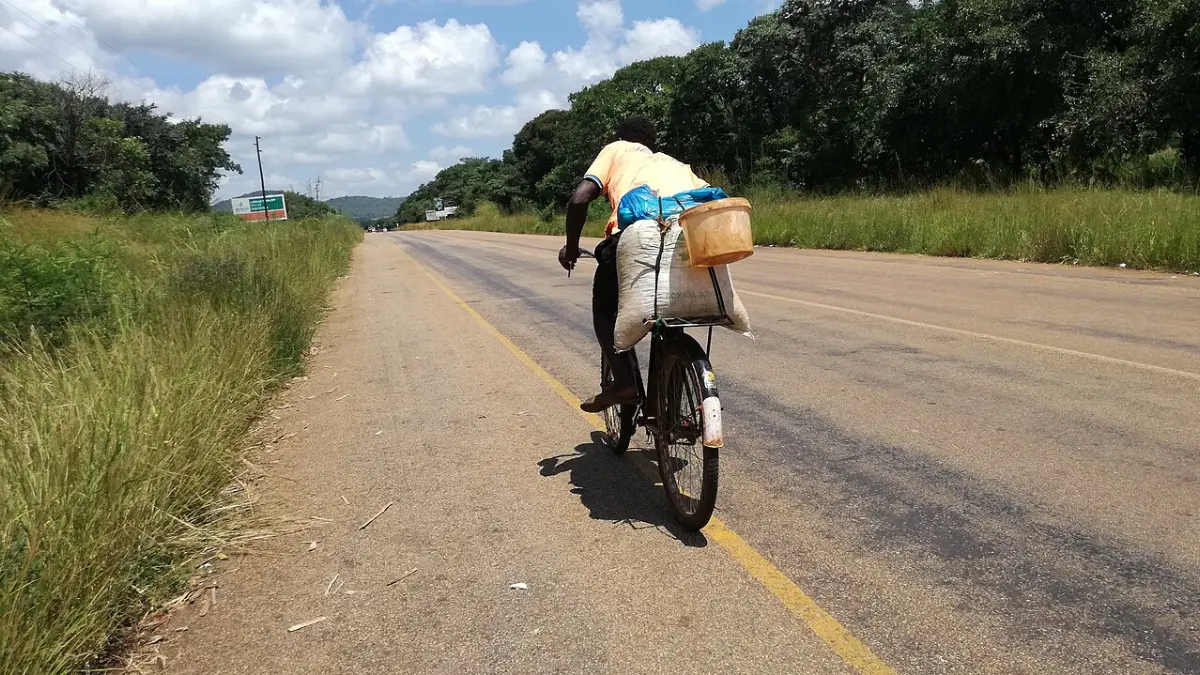
For many smallholders, the delay matters more than the total. Late payment holds up input purchases, school fees and household spending in rural districts, and it weakens confidence in selling to the FRA next season. Settling the arrears quickly would put cash into the rural economy just as planting begins.
The borrowing question
Government plans to borrow K18 billion on the domestic market to fund the package. That is about 90 percent of the supplementary request.
Heavy domestic borrowing late in the year carries costs. It adds to interest payments and competes with private firms for the same pool of bank and pension fund savings, which can push up lending rates. How much pressure it creates will depend on demand at Treasury auctions over the coming weeks.
The reserves themselves also carry a cost. Grain held in storage has to be protected from losses, and the FRA has faced storage shortfalls before. If 2027 brings the poor harvest that forecasters expect, the stock will earn its keep. If it does not, government will have to decide how to release or export surplus maize without depressing farm prices.
What to watch
Three questions will shape how this spending is judged: how quickly farmers are actually paid once Parliament approves the money, what interest rates the Treasury accepts on the new borrowing, and how well the FRA stores and manages 2.7 million tonnes through to the next harvest.
Related: FRA’s Slow Depots and Storage Shortfall Are Turning Zambia’s Bumper Harvest Into a Logistics Problem.
Related: Understanding the ‘Supersized’ El Niño of 2026/2027.
Related: Budget 2027 Should Put Jobs and Productive Investment First.
WARNING! All rights reserved. This material and all other digital content on this website may not be reproduced, published, broadcast, rewritten, or redistributed, in whole or in part, without the prior express permission of The Zambian Economist. Where permission is granted, the content must be clearly credited to “The Zambian Economist,” with “www.zambianeconomist.com” prominently displayed.
WhatsApp: +260775574228 | Email: info@zambianeconomist.com
© 2026 The Zambian Economist.