President Hakainde Hichilema pays tribute to the freedom generation and sets out the Grow Zambia Agenda, a plan to lift output in maize, wheat, copper, electricity, tourism and exports.
KEY TAKEAWAYS
- Zambia marks 62 years of independence on 24 October 2026 under the theme “Zambia at 62: Our journey, our growth, our future.”
- President Hichilema framed the Grow Zambia Agenda as the country’s move from economic stabilisation to accelerated growth.
- The agenda targets higher output of maize, wheat and copper, more electricity generation, more tourists and more exports.
- The President named the independence generation, from Kenneth Kaunda to Mama Betty Chilombo Chilunga, as the foundation of the “One Zambia, One Nation, One People” motto.
Introduction
On the eve of Zambia’s 62nd independence anniversary, President Hakainde Hichilema delivered a national address that looked in two directions at once: backwards to the generation that won sovereignty in 1964, and forwards to an economy he wants growing faster than it has in years.
The speech, delivered on 23 October, comes at a moment when the government believes it has earned the right to talk about growth. “The Grow Zambia Agenda moves us from economic stabilisation to accelerated growth,” the President said, in the line that anchors the whole address.
Honouring the Independence Generation
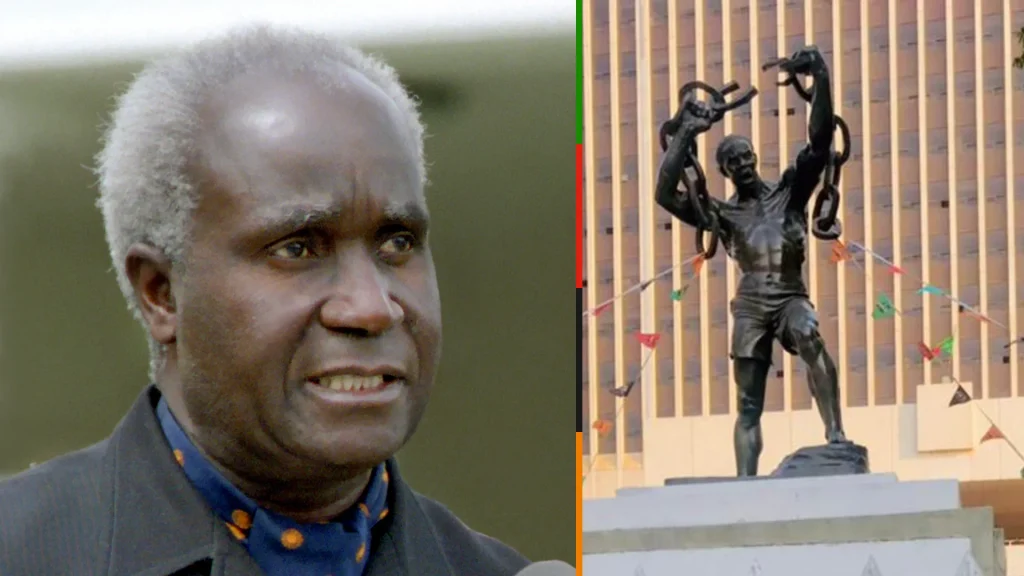
The President opened by naming the men and women who led Zambia to sovereignty on 24 October 1964: Kenneth David Kaunda, Harry Mwaanga Nkumbula, Simon Mwansa Kapwepwe, Alexander Grey Zulu, Humphrey Mulemba, Nalumino Mundia, Mama Julia Chikamoneka and Mama Betty Chilombo Chilunga.
The list is notable for its breadth. It spans ruling-party and opposition tradition alike, from Kaunda to Nkumbula, the nationalist leader Kaunda’s UNIP sidelined for decades. It also gives equal standing to women, naming two of them among the heroes of the struggle.
Sixty-Two Years of What, Exactly?
The President’s summary of the national journey emphasised continuity: schools, hospitals, roads, airports and power stations built, and elections held with smooth transfers of power.
The claim about peaceful transitions carries weight. Since 1991 Zambia has changed governing parties three times, each time through the ballot and each time without the unrest that has accompanied comparable moments elsewhere on the continent. Few states founded in the 1960s can say the same.
He also credited the people rather than the state: farmers for their resilience, miners for their labour, youth for their creativity, the armed forces for their courage, women for their resourcefulness and entrepreneurs for their persistence.
The Grow Zambia Agenda: What It Means in Practice
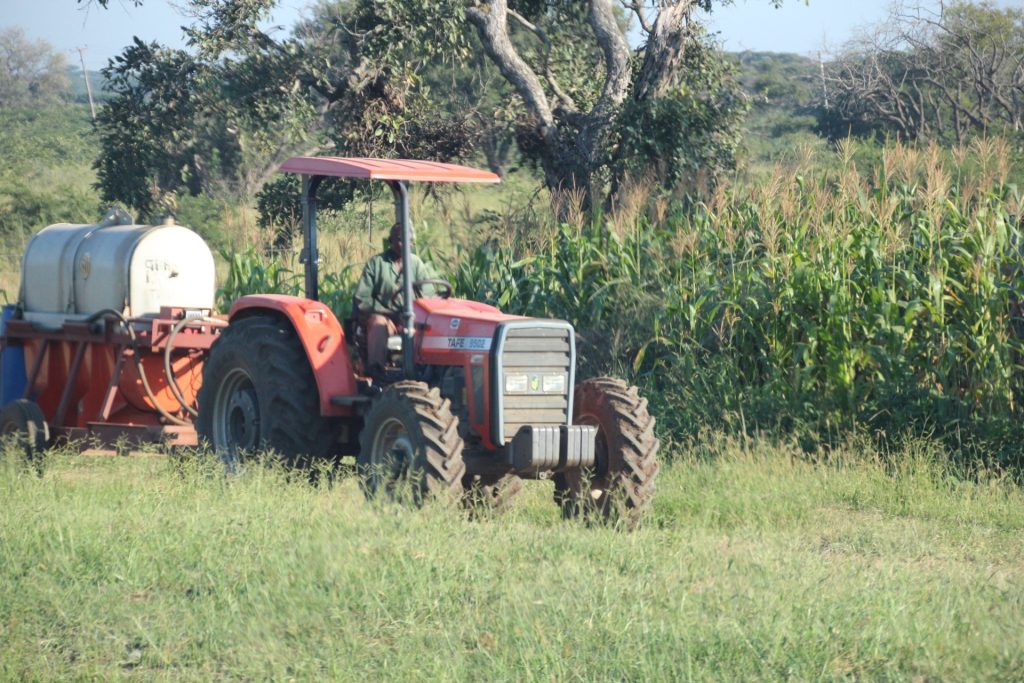
The economic core of the speech is a short list of sectors where the government wants measurable gains: more maize, more wheat and more copper; more electricity generated; more tourists visiting; more exports leaving.
Each target speaks to a known pressure point in the economy. Maize output determines the cost of mealie meal, the single most politically sensitive price in Zambia. Copper still supplies the majority of export earnings. Electricity generation has been stretched in recent drought years, when low Kariba water levels forced load management that cut into mining and manufacturing output. Tourism and non-copper exports are the diversification story every administration since the copper price collapse of the 1970s has tried to write.
The President coupled the growth message with two safeguards: protecting the vulnerable and building strong institutions. He gave no new figures, timelines or budget allocations in the address, which was framed as a reflection rather than a policy speech.
A Message to the Youth
The President devoted a passage to young Zambians, calling them the backbone of the economy, its innovators and its leaders. He reminded the country that young people fought for independence and for democracy, and framed the anniversary as a moment for the young generation to take ownership of what comes next.
With a median age around 17, Zambia is one of the youngest countries in the world. Any growth agenda that works will be carried by that demographic, a fact the speech acknowledged even without naming the number.
What This Means
For business: A government that says it has moved from stabilisation to growth will be judged on whether doing business gets easier: cheaper and more reliable power, faster customs clearance for exporters and predictable policy in agriculture and mining. Firms in milling, agribusiness, tourism and mining supply chains are the direct beneficiaries if the sector targets are backed by execution.
For investors: The named sectors, maize, wheat, copper, electricity, tourism and exports, map closely to where policy attention and likely spending will concentrate. The absence of numbers in this speech means the real signals will come in the 2027 budget and in the performance of the harvest and copper output over the next two quarters.
For policy: The stabilisation-to-growth framing echoes the language of the International Monetary Fund-supported programme period, in which the priority was debt restructuring and fiscal control. The test of the Grow Zambia Agenda will be whether growth spending can accelerate without reopening the fiscal wounds that made stabilisation necessary.
Conclusion
Eve-of-independence speeches are usually exercises in unity. This one was that, but it also put a name to the government’s next economic chapter. The theme says it plainly: our journey, our growth, our future. From tomorrow, the Grow Zambia Agenda will be measured not in speeches but in maize yields, megawatts, tourist arrivals and the copper price realised on LME contracts.
Happy 62nd Independence Anniversary, Zambia.
WARNING! All rights reserved. This material and all other digital content on this website may not be reproduced, published, broadcast, rewritten, or redistributed, in whole or in part, without the prior express permission of The Zambian Economist. Where permission is granted, the content must be clearly credited to “The Zambian Economist,” with “www.zambianeconomist.com” prominently displayed.
WhatsApp: +260775574228 | Email: info@zambianeconomist.com © 2026 The Zambian Economist.
Work With The Zambian Economist