Finance Minister Situmbeko Musokotwane has toured CNMC’s Luanshya Copper Mines, where Shaft 28 is being brought back into production after more than two decades under water. If the targets hold, a Copperbelt town that lost its mine could regain up to 3,000 jobs.
KEY TAKEAWAYS
- Finance Minister Situmbeko Musokotwane visited CNMC Luanshya Copper Mines, where dewatering of the flooded Shaft 28 is substantially complete.
- The mine could produce over 100,000 tonnes of copper a year once fully operational, with the Mines Ministry pointing to 2030 for that level.
- Direct employment is expected to rise from about 1,000 to around 3,000 jobs as operations expand.
- CNMC has committed about US$710 million to the redevelopment. The upper mine was scheduled to restart in August 2026 and the lower mine in 2029.
- Luanshya alone would supply about 3% of the 3 million tonne national copper target for 2031.
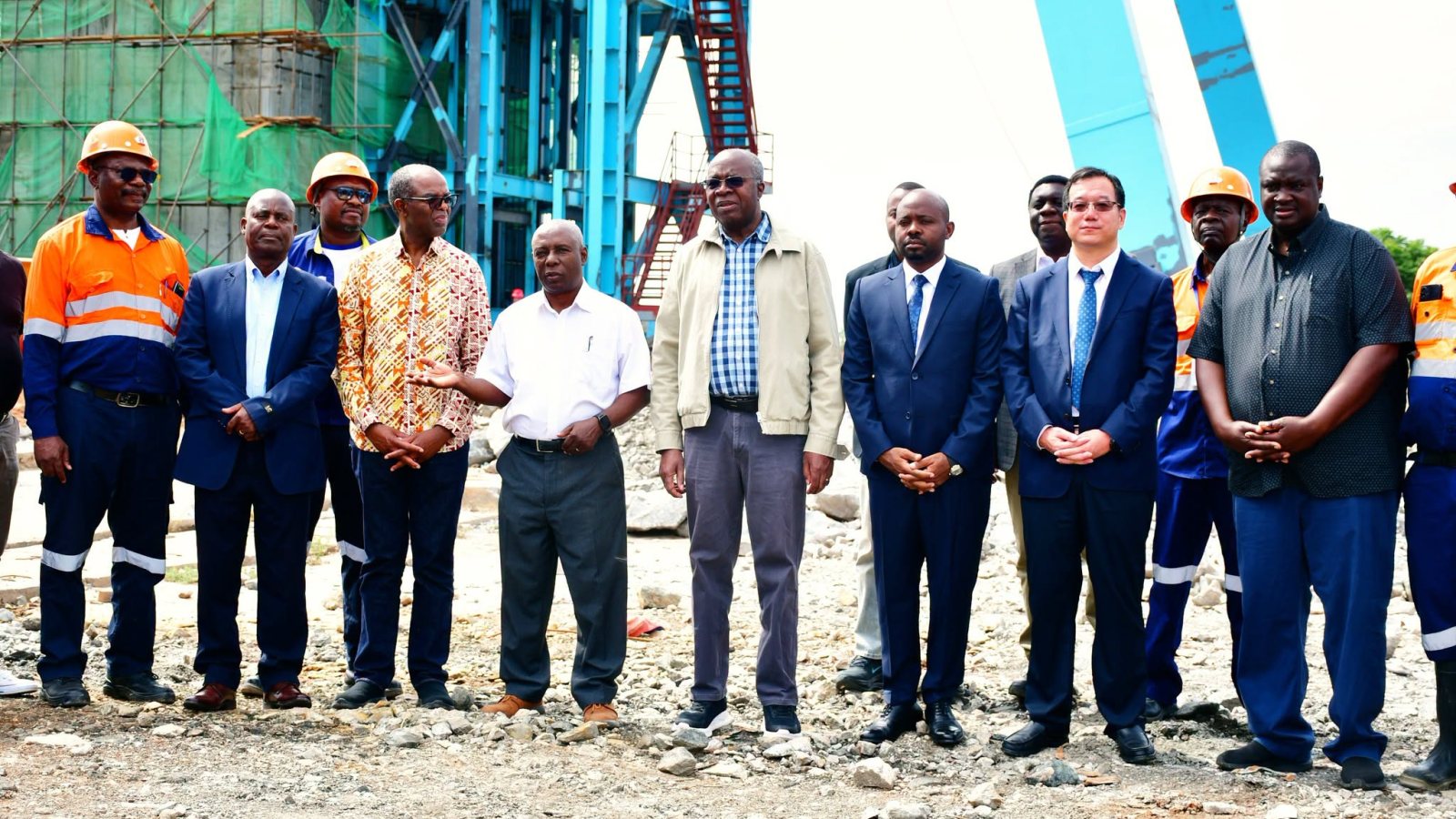
Luanshya’s main copper mine is close to producing again after more than 20 years under water. Finance and National Planning Minister Dr Situmbeko Musokotwane toured CNMC Luanshya Copper Mines this week, where the ministry says dewatering of Shaft 28 is substantially complete and the mine is moving towards the resumption of production.
According to the Ministry of Finance and National Planning, the mine has the potential to produce over 100,000 tonnes of copper a year and to lift direct employment from about 1,000 to 3,000 jobs as operations grow.
What is happening at Luanshya?
Shaft 28, also known as the Luanshya New Mine project, flooded after the mine closed more than two decades ago. China Nonferrous Metal Mining (Group), known as CNMC, acquired Luanshya Copper Mines in 2009 and holds an 80% stake, with ZCCM Investments Holdings holding the balance.
President Hakainde Hichilema launched the dewatering programme in April 2024. The task was to pump more than 170 million cubic metres of water out of the old workings. By late 2025, the Copperbelt Provincial Minister reported that 83% of the water had been removed and that CNMC had spent about US$100 million on dewatering, out of a planned US$710 million investment.
In April 2026, the Ministry of Mines and Minerals Development said production would resume at the upper mine in August 2026, with the lower mine following in 2029. It put full output at about 100,000 tonnes a year by 2030.
| Luanshya Shaft 28 at a glance | |
|---|---|
| Owner | CNMC Luanshya Copper Mines (CNMC 80%, ZCCM-IH 20%) |
| Years closed | More than 20 |
| Water to be removed | Over 170 million cubic metres |
| Total planned investment | About US$710 million |
| Production target | About 100,000 tonnes of copper a year by 2030 |
| Direct jobs | From about 1,000 now to about 3,000 at full operation |
Why does Luanshya matter for the 3 million tonne target?
Zambia produced 890,346 tonnes of copper in 2025 and aims for 3 million tonnes a year by 2031 under the Grow Zambia Agenda. Closing that gap needs new mines as well as bigger output at existing ones.
At 100,000 tonnes a year, Luanshya would add about 11% to the 2025 national total. Measured against the 2031 goal, it covers roughly 3%. It is one useful piece of a much larger expansion, and the timing matters: most of its output is not expected until the lower mine comes on stream in 2029.
What does it mean for Luanshya’s economy?
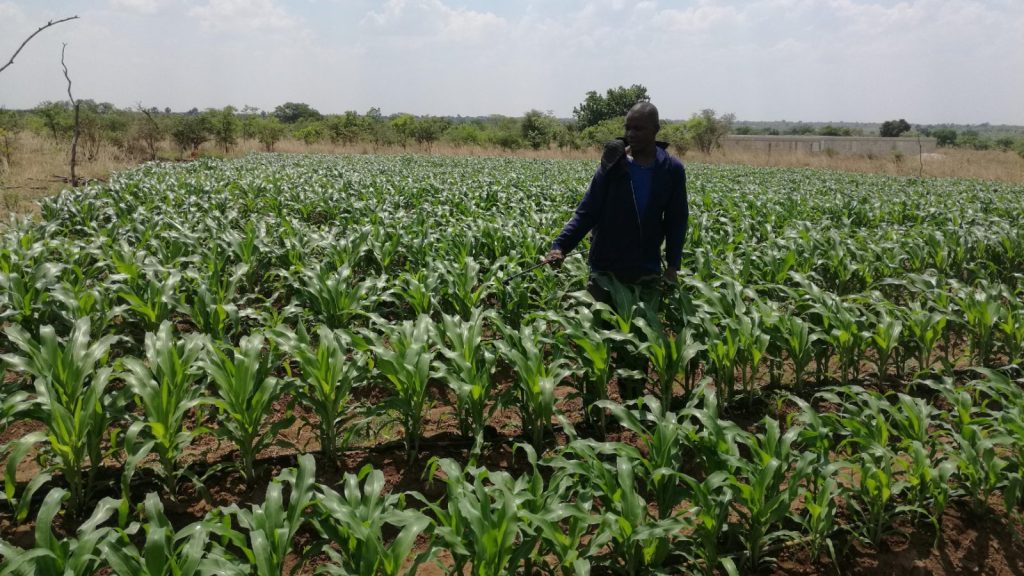
Luanshya grew up around its mine. When production stopped, so did much of the town’s formal employment. The ministry’s case is that the revival will reach well beyond the mine gates: more wages in local households, more orders for local suppliers, more demand for farm produce, and more business for traders and transporters.
That effect depends on how much the mine buys locally. The local content question applies here as it does across the Copperbelt: whether Zambian firms win contracts for engineering, transport, catering, security and maintenance, or whether those services are imported.
What should businesses watch?
- Procurement. Supplier registration and tender notices from CNMC Luanshya Copper Mines as production ramps up.
- Hiring. The pace at which direct jobs move from about 1,000 towards 3,000, and how many go to local residents.
- Timelines. Whether the lower mine stays on course for 2029, since that is where most of the extra output comes from.
- Power. Reliable electricity supply, which the 2024 load-shedding showed can limit mine output across the Copperbelt.
The ministry linked the visit to the 2027 National Budget theme: “Grow Zambia: From Stabilisation to Unlocking Opportunities, Creating Jobs and Improving Livelihoods for All.” Luanshya will be one of the clearer tests of whether new mining investment produces jobs and local business at the scale promised.
Related coverage
WARNING! All rights reserved. This material and all other digital content on this website may not be reproduced, published, broadcast, rewritten, or redistributed, in whole or in part, without the prior express permission of The Zambian Economist. Where permission is granted, the content must be clearly credited to “The Zambian Economist,” with “www.zambianeconomist.com” prominently displayed.
WhatsApp: +260775574228 | Email: info@zambianeconomist.com
© 2026 The Zambian Economist.