
The Grow Zambia Agenda wants more maize, more power, more tourists and three times as much copper by 2031. Whether that makes Zambia less exposed to the copper price depends on what gets built around the tonnage.
KEY TAKEAWAYS
- The Grow Zambia Agenda sets eight production targets for 2031, from 10 million tonnes of maize to US$1 billion in beef exports and 3 million tonnes of copper.
- Higher output on its own will not cut Zambia’s reliance on copper. The test is whether the targets produce competitive industries that employ people, add value and earn foreign exchange.
- A 2018 World Bank diagnostic found that copper booms moved the real exchange rate in ways that hurt the competitiveness of farm and factory exports.
- The 10,000 megawatt power target links everything else: irrigation, cold chains for beef and processing plants all need electricity that actually reaches them.
- More copper can still help diversification if Zambian firms supply the mines and more of the metal is processed at home.
The Grow Zambia Agenda can reduce Zambia’s dependence on copper, but only if its production targets turn into industries that compete, hire and export in their own right. Producing more maize, power or even copper does not, by itself, change how exposed the economy is to the metal’s price.
That exposure is familiar. When international copper prices rise, Zambia earns more from exports and foreign exchange flows in. When they fall, the damage spreads well beyond the mines, to government revenue, the kwacha and wider economic activity.
The Grow Zambia Agenda tries to widen the base. Its targets, summarised in the code 10-10-5-3-3-1-1-1, are:
| Target by 2031 | What it could support beyond the target itself |
|---|---|
| 10 million tonnes of maize | Milling, processed food, animal feed |
| 10,000 megawatts of electricity | Irrigation, cold storage, manufacturing |
| 5 million international tourists | Hotels, restaurants, transport, tour operators |
| 3 million tonnes of copper | Local mine suppliers, domestic metal processing |
| 3 million tonnes of soya beans | Cooking oil, poultry and livestock feed |
| 1 million tonnes of wheat | Flour milling, bakeries |
| 1 million tonnes of sugar | Sugar processing, food and drink manufacturing |
| US$1 billion in beef exports | Veterinary services, feedlots, meat processing |
The risk of relying on one export is documented. The World Bank’s 2018 Zambia Systematic Country Diagnostic found that rising copper prices had pushed the real exchange rate in a direction that weakened the competitiveness of non-mining exports, particularly in agriculture and manufacturing. In other words, a copper boom can make it harder for everything else to sell abroad. Diversification therefore means building industries that can hold their own regardless of how the mines are doing.
How can agriculture reduce Zambia’s dependence on copper?
Agriculture offers the clearest route. The maize, soya, wheat and sugar targets can feed milling, animal feed, edible oil and sugar processing. Bigger harvests also create work for transporters, storage operators and packaging firms.
The gains come when Zambia sells more than raw grain. Soya beans can supply local businesses making cooking oil and poultry feed. Maize can go into milling and processed food. Locally grown soya is one of the main ingredients in poultry feed, so a larger crop also supports Zambia’s ambition to export eggs on a large scale, giving feed manufacturers and poultry farmers a bigger market.
Livestock follows the same logic. Reaching US$1 billion a year in beef exports will take more cattle, better veterinary services, reliable feed and proper meat-processing plants. It will also take herds and abattoirs that meet the standards of importing countries. Get that right and the beef chain becomes a source of foreign exchange that has nothing to do with copper.
Tourism is the other big earner outside mining. Five million international visitors would mean demand for rooms, meals, transport and guided tours, and visitor spending lands directly with local businesses. Hitting the number depends on getting people to come and on the quality and accessibility of what they find when they arrive.
Why the 10,000 megawatt target matters for everything else
The power target holds the rest of the agenda together. Irrigation for maize, soya, wheat and sugar needs electricity. So do machinery, grain storage and processing.
Beef exports depend on it too, because meat processing and refrigeration cannot run on intermittent supply. Factories need dependable power to keep lines moving. Generation alone is not enough, though. New capacity has to come with investment in transmission and distribution, or the megawatts will not reach the farms and firms that need them.
Technology can help farmers as well. Digital tools and artificial intelligence can improve crop monitoring, planning and the use of water and inputs. Their usefulness will depend on electricity, connectivity and people with the skills to use them.
Does tripling copper output contradict diversification?
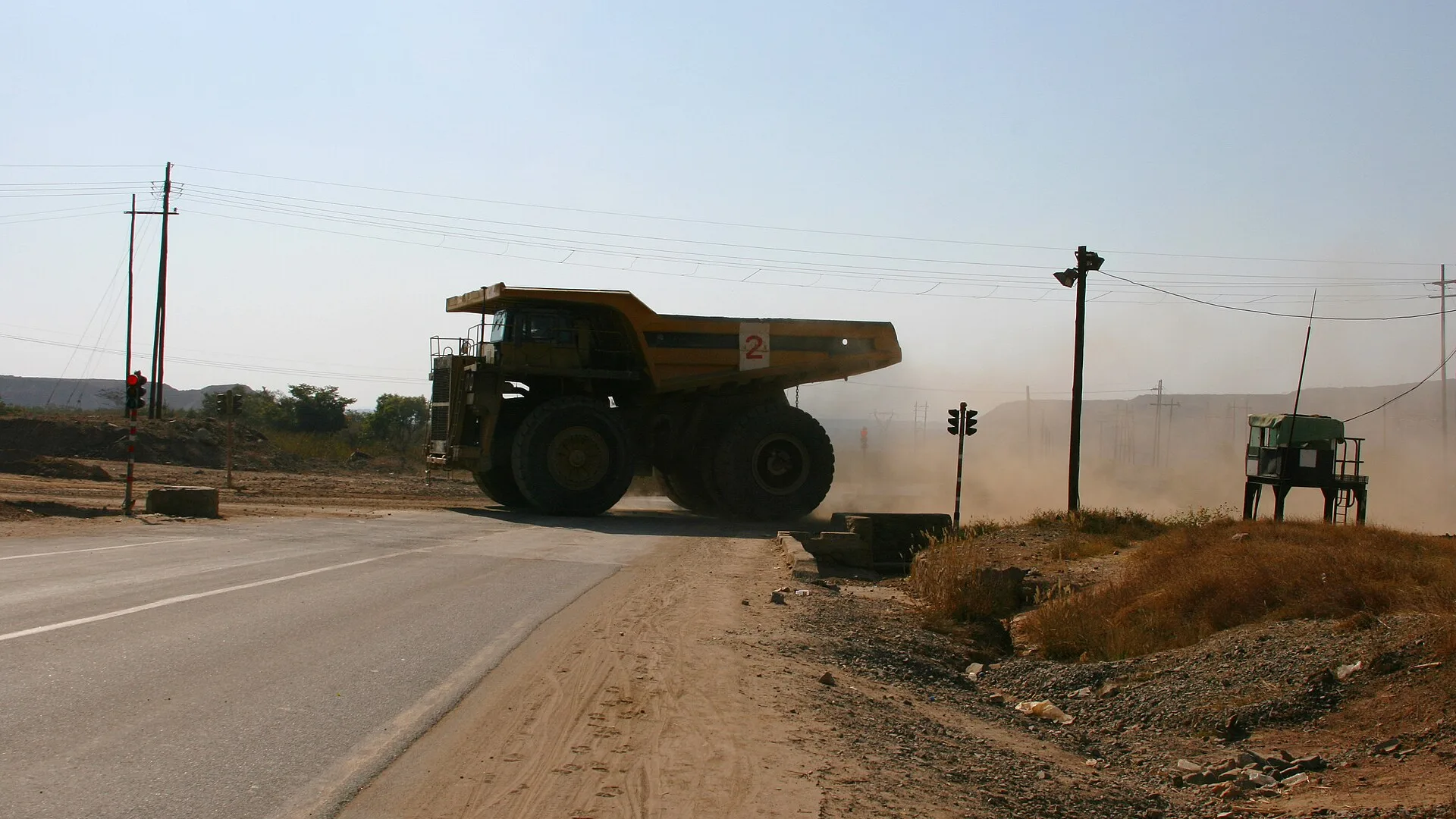
Raising copper production to 3 million tonnes can look like the opposite of reducing dependence on copper. It need not be. Diversifying does not mean walking away from mining, which remains a large source of export earnings, jobs and activity. The question is whether mining also helps other Zambian industries grow.
Mines buy machinery, engineering services, transport and construction materials. When Zambian businesses supply those, mining spending supports local manufacturing and services instead of flowing out to importers. That is where domestic companies can work their way into mining supply chains.
There is also more value to capture from the metal itself. Zambia still exports much of its copper in less processed forms. Greater processing capacity at home would let the country keep more of the value of its own resources. That needs investment, technology, reliable electricity and processing firms that can compete.
Read that way, the 3 million tonne target supports diversification when the extra output creates business for local suppliers and processors.
Turning production into economic stability
The agenda pulls together targets for agriculture, livestock, tourism, electricity and mining. What they are worth to the economy depends on whether they become productive industries able to compete at home and abroad.
A bigger harvest will do little for diversification if Zambia keeps exporting raw commodities and importing processed goods it could make itself. More tourists need to translate into spending that stays with Zambian businesses and creates jobs. The value chains around each target are where that happens.
The issue is not whether Zambia should keep producing copper. It is whether the country can build other sectors strong enough to limit the damage when one export has a bad year.
The Grow Zambia Agenda can support that shift. Its success will rest on turning targets into competitive industries, expanding local processing and manufacturing, and finding markets for Zambian goods and services. If agriculture, livestock, tourism and manufacturing carry a larger share of exports and employment, the next fall in the copper price will hurt less.

Related coverage
- Grow Zambia Agenda: The Eight Numbers Behind the Plan to Double Zambia’s Economy
- Libala to the Value Chain: How Ordinary Zambians Can Plug Into the Grow Zambia Agenda
- Musokotwane Pivots Zambia Toward Export-Led Growth as Jobs and Investment Take Centre Stage
- Grow Zambia Targets Offer Real Opportunities, Says Haabazoka
WARNING! All rights reserved. This material and all other digital content on this website may not be reproduced, published, broadcast, rewritten, or redistributed, in whole or in part, without the prior express permission of The Zambian Economist. Where permission is granted, the content must be clearly credited to “The Zambian Economist,” with “www.zambianeconomist.com” prominently displayed.
WhatsApp: +260775574228 | Email: info@zambianeconomist.com
© 2026 The Zambian Economist.
Work With The Zambian Economist
Related: Zambia Pushes for Debt Solutions and Climate Finance at Commonwealth Talks
Related: The diplomatic push behind that agenda is traced in US Backs Zambia’s Three-Million-Tonne Copper Ambition, on Washington’s aid-to-trade shift.
Related: Grow Zambia Agenda: What It Would Take to Double Zambia’s Economy by 2031, Clement Malala’s analysis of the growth arithmetic behind the targets.
Related: Grow Zambia Agenda: What It Would Take to Double Zambia’s Economy by 2031, Clement Malala’s analysis of the growth arithmetic behind the targets.