
Key takeaways
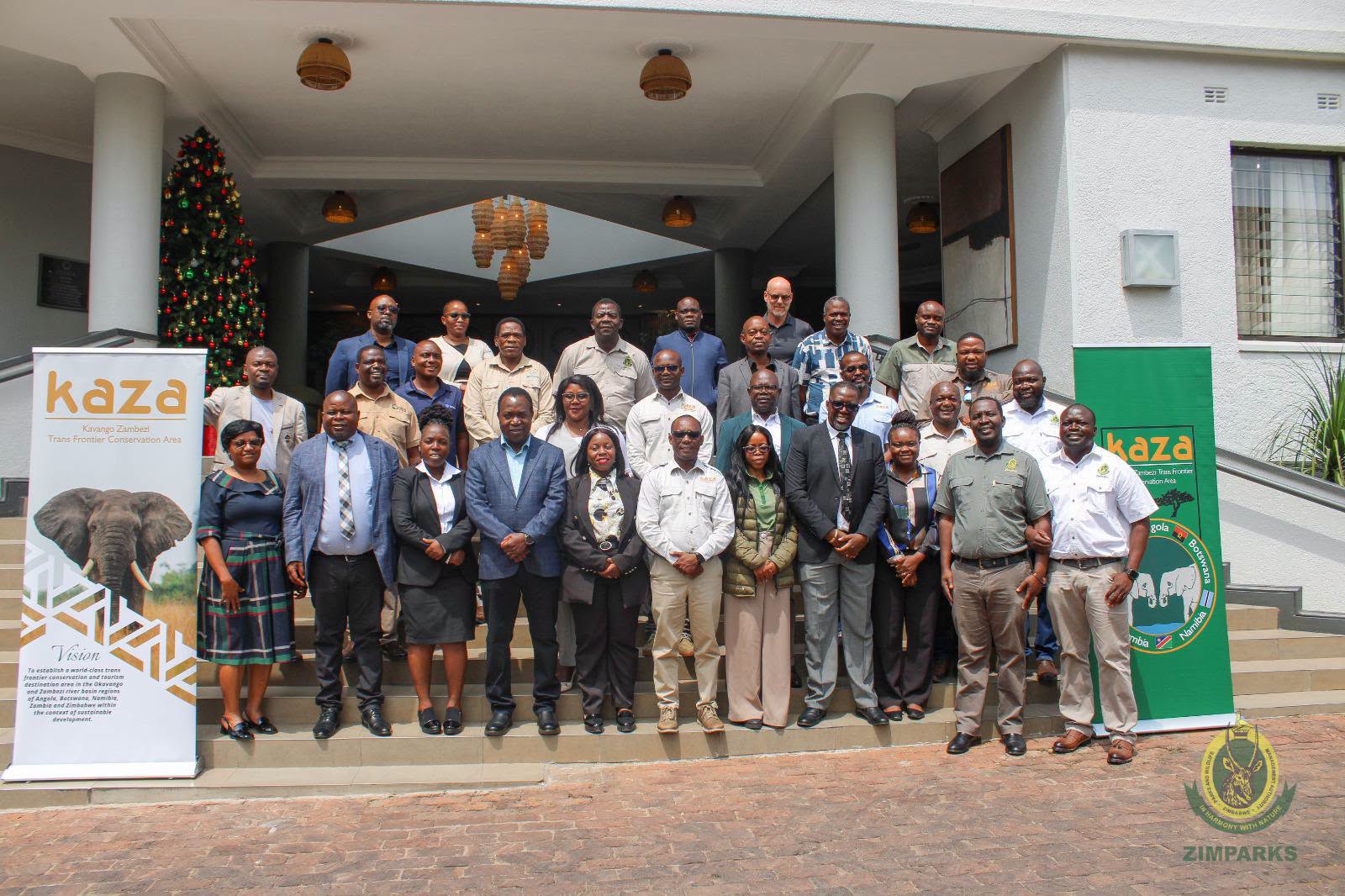
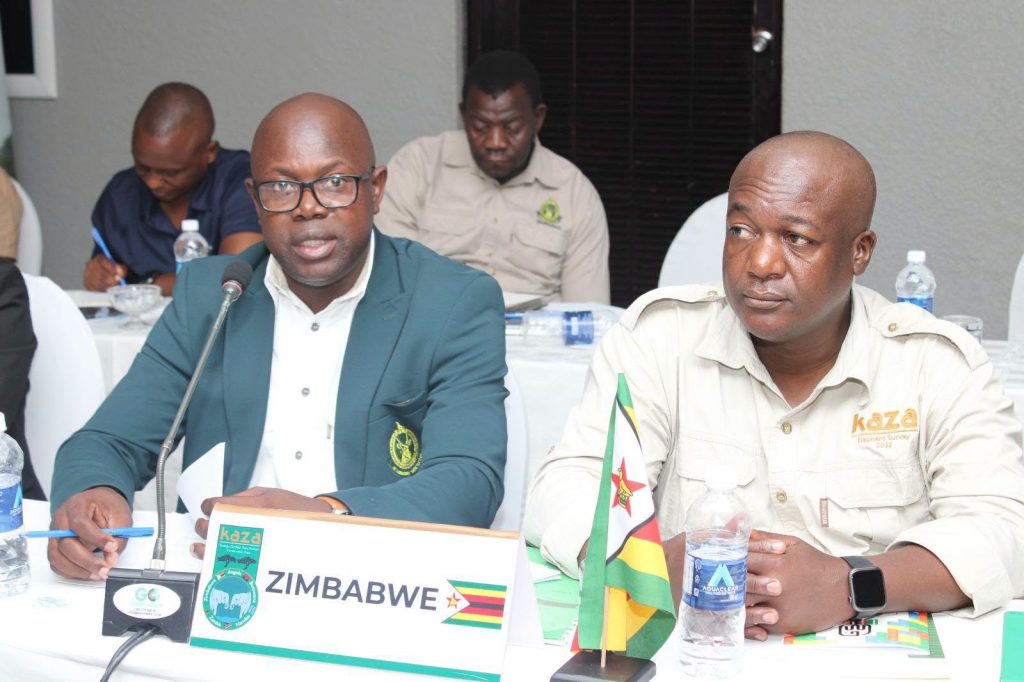
- Zambia is taking part in the 22nd Joint Management Committee (JMC) meeting of the Kavango Zambezi Transfrontier Conservation Area (KAZA TFCA) in Victoria Falls, Zimbabwe, on 23 and 24 November 2026.
- Tourism Minister Princess Kasune is expected to lead the delegation, with Zambia represented through the Department of National Parks and Wildlife (DNPW).
- Angola, Botswana, Namibia, Zambia and Zimbabwe are reviewing joint conservation programmes, wildlife management, community livelihoods and nature-based tourism.
- The JMC feeds into the 18th Committee of Senior Officials on 25 November and the KAZA Ministerial Committee on 27 November.
- KAZA holds about 227,900 elephants, more than half of Africa’s savanna elephants, but Zambia’s count fell in the last survey.
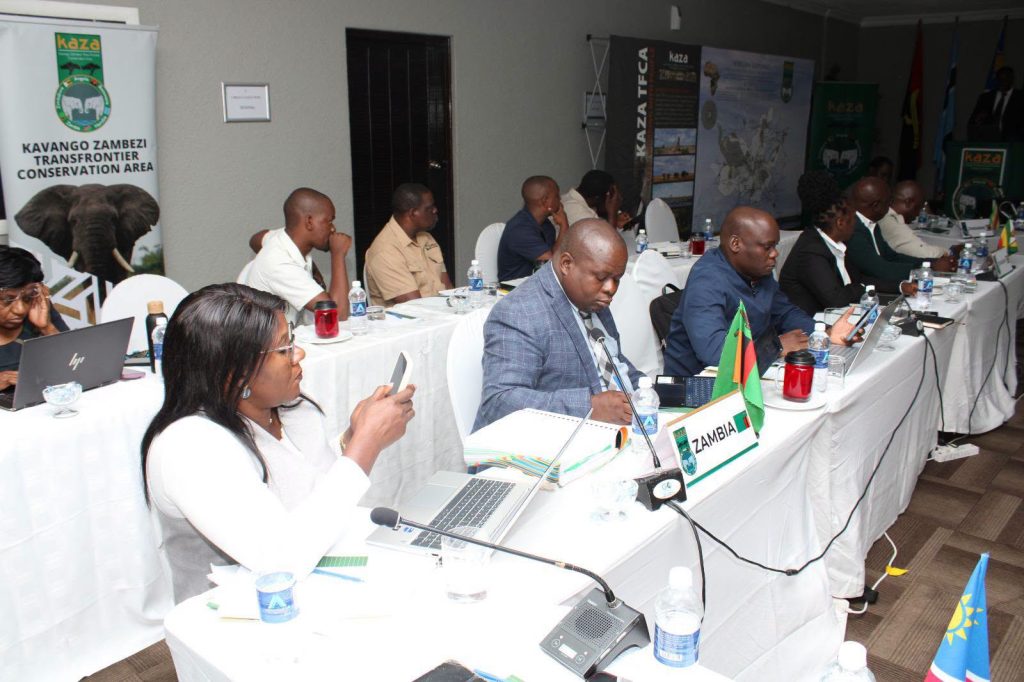
Zambia is one of five countries meeting in Victoria Falls, Zimbabwe, this week to review how they jointly run the world’s largest transboundary conservation area. The 22nd Joint Management Committee (JMC) meeting of the Kavango Zambezi Transfrontier Conservation Area (KAZA TFCA) runs from 23 to 24 November 2026, and Minister of Tourism Princess Kasune is expected to lead the Zambian delegation, according to the Ministry of Tourism.
Zambia is taking part through the ministry’s Department of National Parks and Wildlife (DNPW). The ministry says the meeting will review progress on regional conservation programmes, deal with emerging challenges and look for ways to deepen cooperation among the five Partner States.
What is on the table

A week of KAZA meetings
Why KAZA matters for Zambia
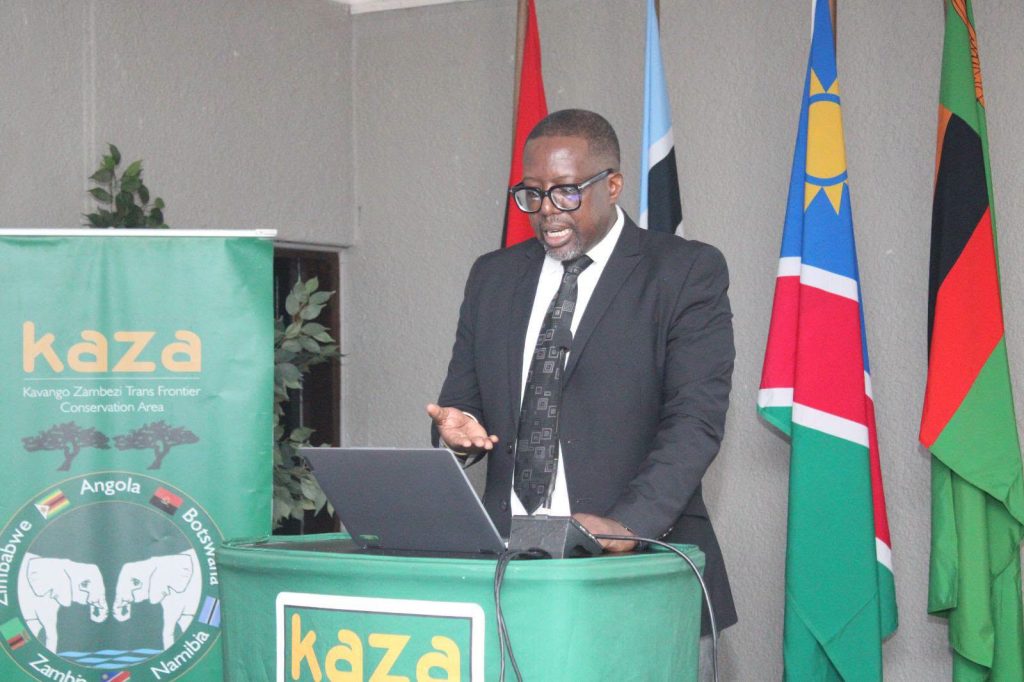
The five countries created KAZA through a treaty signed in August 2011. It covers 519,912 square kilometres and is home to Africa’s largest savanna elephant population: the 2022 KAZA Elephant Survey estimated 227,900 elephants, more than half of the continent’s remaining savanna elephants.
The same survey holds a warning for Zambia. WWF reported that Zambia’s elephant numbers had fallen compared with earlier surveys, while populations in Angola, Botswana, Namibia and Zimbabwe all grew. For Zambia, the cross-border cooperation on wildlife management being discussed in Victoria Falls has a practical edge.
There is an economic stake too. The ministry calls KAZA an important platform for wildlife conservation, regional tourism and community benefit, and the government’s Grow Zambia Agenda targets five million international arrivals by 2031. Analysis by Dr Bruce Ernest rates that as the most achievable of the Agenda’s eight targets, and much of the country’s wildlife tourism depends on the landscapes KAZA manages.
The KAZA Ministerial Committee meets on 27 November. The government says it remains committed to regional partnerships that protect biodiversity and support sustainable tourism.
Related: Five Million Visitors by 2031: Kasune Puts Service at the Centre of Zambia’s Tourism Push · Zambia’s Tourism Sector Knows Its Risks · Economic Diplomacy and Zambia in the Global Economy
Background figures: KAZA Elephant Survey 2022 fact sheet and WWF.
WARNING! All rights reserved. This material and all other digital content on this website may not be reproduced, published, broadcast, rewritten, or redistributed, in whole or in part, without the prior express permission of The Zambian Economist. Where permission is granted, the content must be clearly credited to “The Zambian Economist,” with “www.zambianeconomist.com” prominently displayed.
WhatsApp: +260775574228 | Email: info@zambianeconomist.com
© 2026 The Zambian Economist.