

Student loan repayments have passed K1 billion. But nearly half of student financing needs go unmet, graduates without jobs cannot repay, and some councils are keeping money they deducted from their own staff.
Key takeaways
- HELSB has recovered K1.16 billion in student loan repayments since recoveries began in 2018, CEO Dr John Machayi told ZNBC News.
- The Board is currently supporting 53,790 students at Government-sponsored institutions, and repayments go into a revolving fund that pays for other students.
- Graduate unemployment is the main drag on recovery: many beneficiaries cannot repay because they have not found work.
- Councils and other local authorities owe HELSB K14.9 million in loan deductions taken from employees’ pay but never passed on.
- UNZA’s annual accommodation allowance has risen 50%, from K3,900 to K5,850.
The Higher Education Loans and Scholarships Board (HELSB) has recovered K1.16 billion in student loan repayments from former beneficiaries between 2018 and November 2026. The money has helped keep tertiary education funding going for thousands of students.
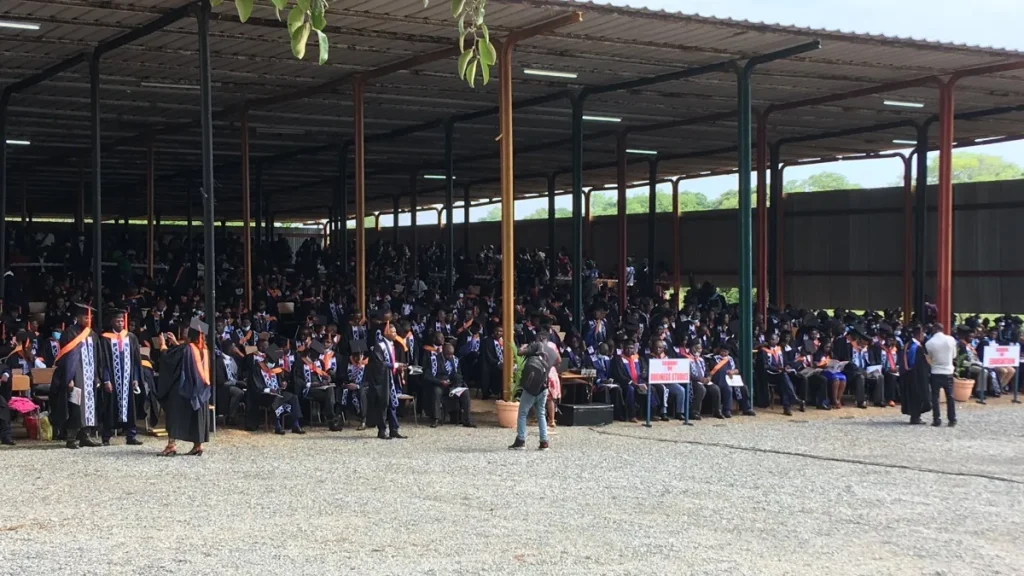
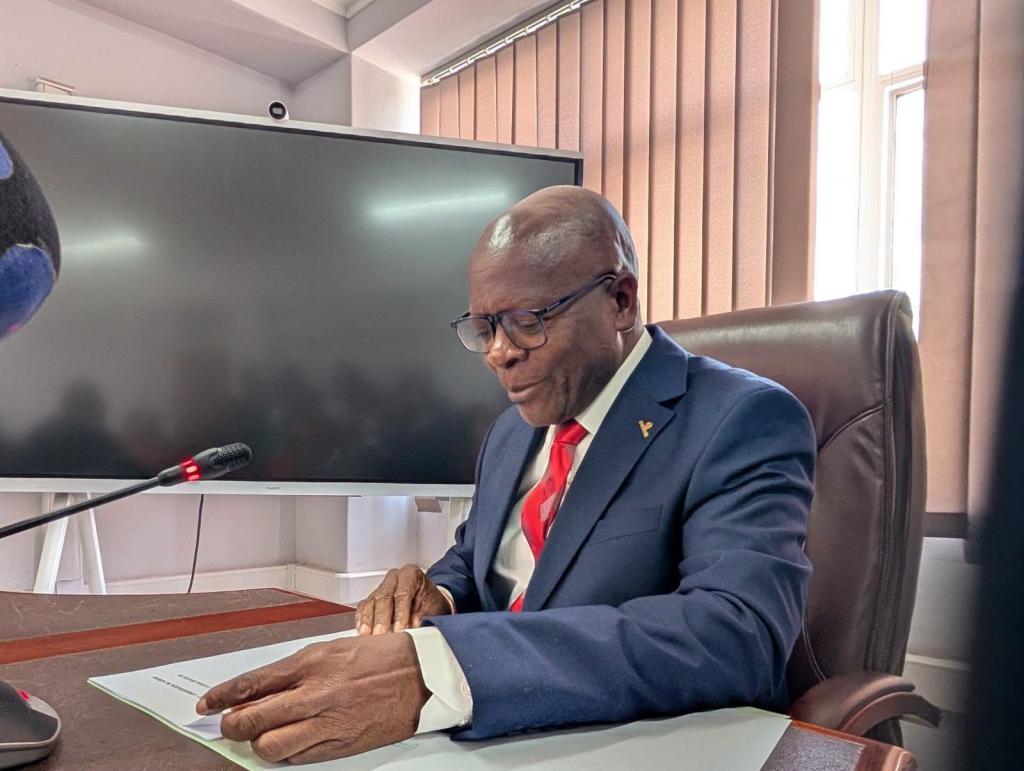
HELSB Chief Executive Officer Dr John Machayi told ZNBC News that the Board is supporting 53,790 students in Government-sponsored institutions, and that repayments from past beneficiaries help pay for the education of current ones.
How does the student loan scheme work?
HELSB was set up under the Higher Education Loans and Scholarships Act of 2016 and took over from the old Bursaries Committee. Loans cover tuition, accommodation, meals, books and project costs. Beneficiaries are expected to start repaying one year after leaving their institution.
Recoveries began in 2018, when HELSB created a revolving fund. Repayments go into that fund, which pays for students at universities outside UNZA and the Copperbelt University. In other words, every kwacha a graduate repays can sponsor someone else’s degree.
The scheme in numbers
| Indicator | Figure | Source |
|---|---|---|
| Total recovered, 2018 to November 2026 | K1.16 billion | HELSB via ZNBC |
| Recovered in 2025 | About K233.8 million | HELSB |
| Recovered, January to June 2026 | K129.9 million | HELSB |
| Beneficiaries repaying | More than 22,000 by June 2026 (18,309 of 40,681 traced beneficiaries in June 2024) | HELSB |
| Students currently supported | 53,790 | HELSB via ZNBC |
| Student financing need unfunded, 2025 | 45.3% | HELSB |
| Unremitted deductions owed by councils | K14.9 million (about 6% of 2025 recoveries) | HELSB; Zambian Economist calculation |
| UNZA accommodation allowance | K3,900 to K5,850 a year (+50%) | UNZA students via ZNBC |
Recoveries have accelerated. HELSB reported about K233.8 million recovered in 2025 and K129.9 million in the first half of 2026. The number of people repaying has also grown, from 18,309 of the 40,681 beneficiaries the Board had traced in June 2024 to more than 22,000 by mid-2026.
Demand still outruns supply. HELSB has said that 45.3% of student financing needs went unfunded in 2025, and it has asked banks, pension funds and insurers to help close the gap.
Why aren’t more graduates repaying?
Dr Machayi pointed to graduate unemployment. Many beneficiaries finish their studies and then cannot find work, which means there is no salary to deduct from. This is the scheme’s basic weakness: it is designed around repayment through payroll, so it depends on graduates getting formal jobs.
That links the loan scheme directly to the wider graduate unemployment problem. When the economy does not create enough skilled jobs, the revolving fund grows more slowly, fewer new students can be supported, and the pressure falls back on the Treasury.
Who owes HELSB money?
Not only graduates. Dr Machayi said local authorities, particularly councils, owe the Board K14.9 million in loan deductions that were taken from employees’ salaries but never paid over. That is roughly 6% of everything HELSB recovered in 2025.
For the employees concerned, the problem is serious: their payslips show the deduction, but their loan balance may not go down. For HELSB, the money is effectively frozen. Dr Machayi urged all employers to remit deductions on time, warning that failing to do so undermines a scheme that relies on repayments to support other students.
He also urged parents who can afford university fees to pay for their children’s studies rather than rely on Government loans, so that the limited funds reach those who need them most.
What students say
Students at the University of Zambia (UNZA) praised the Government, through HELSB, for paying meal, book and accommodation allowances on time, saying it let them concentrate on their studies. They welcomed the increase in the annual accommodation allowance at UNZA from K3,900 to K5,850, a rise of 50%.
What it means for employers and families
For employers, the message is clear: loan deductions are not optional, and holding them back exposes staff to arrears they did not cause. HR and payroll teams should check that every HELSB deduction is being remitted, and councils in particular should expect closer scrutiny.
For graduates, repaying keeps the scheme open to the next intake, and HELSB has previously run discount campaigns for early settlement. For families, the call to self-fund where possible is a signal that loans will be targeted more tightly at students who could not otherwise attend.
What to watch
Three things will show whether the scheme is getting stronger: whether councils clear the K14.9 million, whether annual recoveries keep rising beyond 2025’s K233.8 million, and whether HELSB secures private financing to reduce the share of unmet student need. Graduate jobs remain the deciding factor behind all three.
Related reading
- The Educated but Unemployed: Can Education Still Be Zambia’s Great Equaliser?
- Chief Phikamalaza Tells Nyambose to Deliver for Zambia’s Workers
- When National Growth Causes Household Suffering
- More from Labour & Employment | Events | Business Directory
WARNING! All rights reserved. This material and all other digital content on this website may not be reproduced, published, broadcast, rewritten, or redistributed, in whole or in part, without the prior express permission of The Zambian Economist. Where permission is granted, the content must be clearly credited to “The Zambian Economist,” with “www.zambianeconomist.com” prominently displayed.
WhatsApp: +260775574228 | Email: info@zambianeconomist.com
© 2026 The Zambian Economist.