
Key takeaways
- Information Minister Elvis Nkandu has asked AZAM TV to acquire, commission and promote more Zambian films, documentaries and music, and to carry them to wider African audiences.
- Government wants the partnership to bring investment, jobs, internships and training for young people in broadcasting and film production.
- AZAM TV Zambia says it has added three Zambian channels and is working towards twelve, with coverage reaching most provincial centres.
- The broadcaster wants to partner provincial TV stations and explore local football rights, while Government called for joint action on digital piracy.
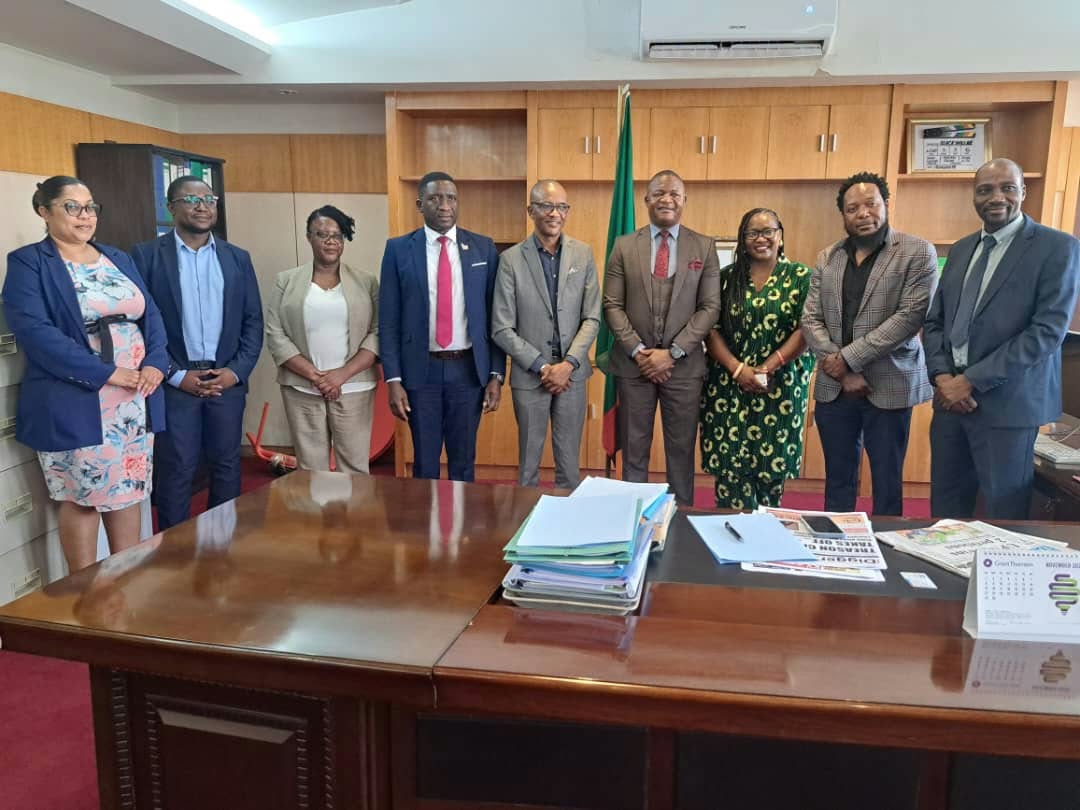
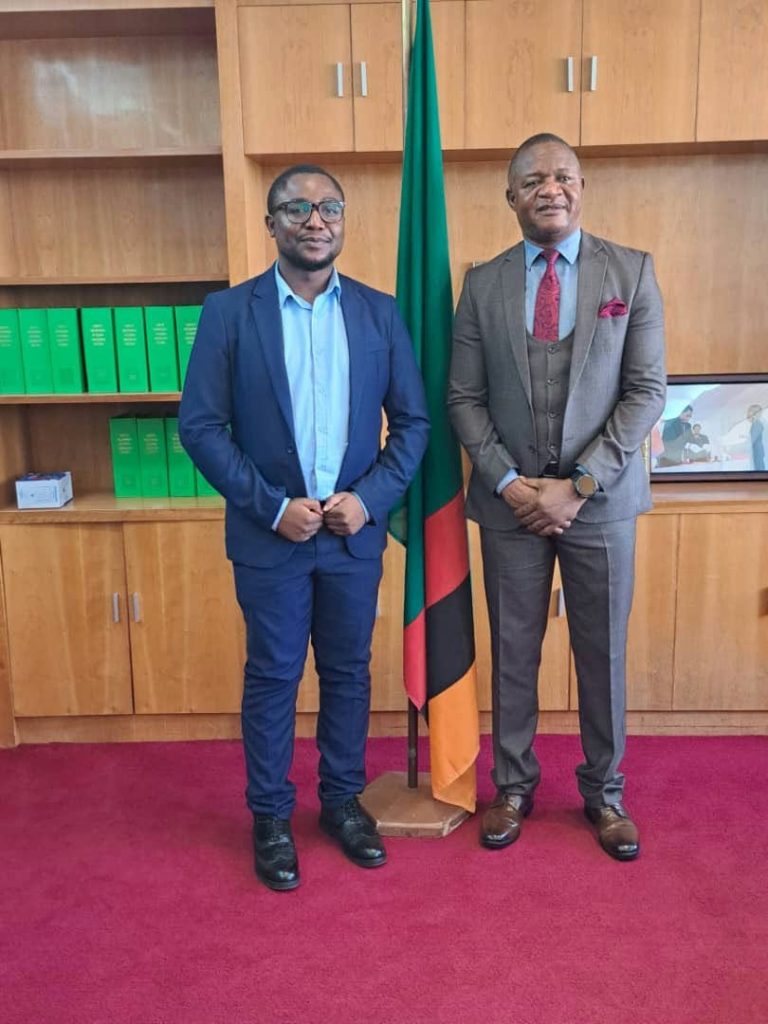
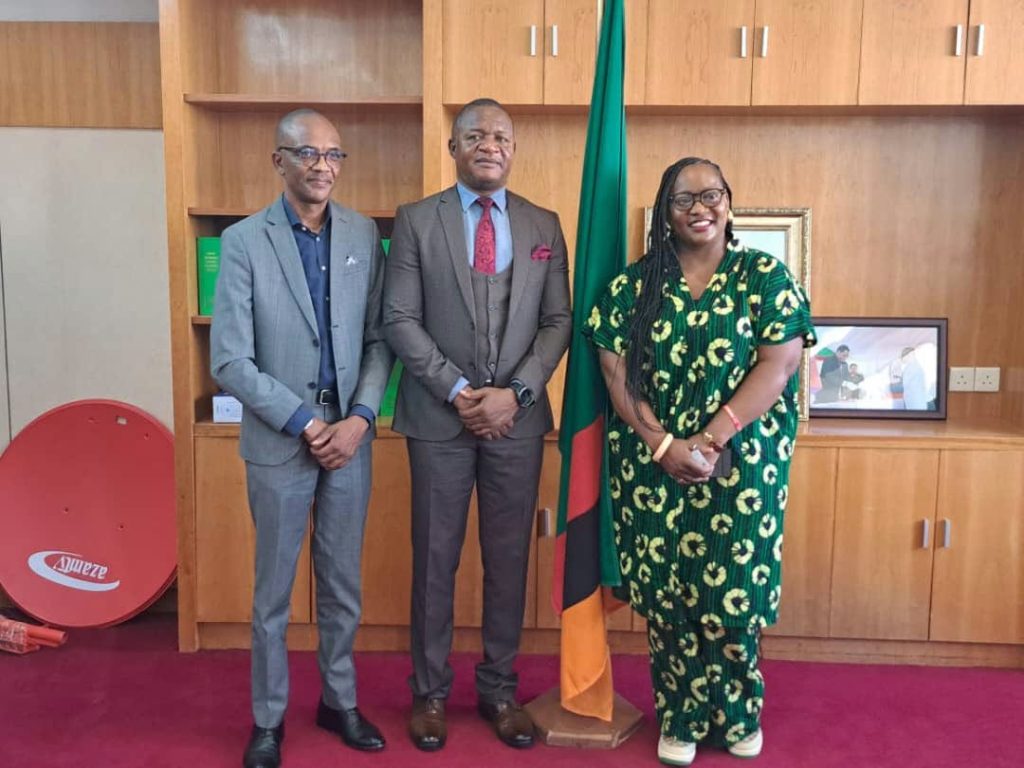
Government has challenged AZAM TV to give Zambian films, documentaries, music and other creative work a bigger place on its platform, and to carry those stories to audiences across Africa and beyond. Minister of Information and Media and Chief Government Spokesperson Elvis Nkandu made the call on 24 November 2026, when AZAM TV Zambia paid him a courtesy call.
AZAM TV is a pay-TV service owned by Tanzania’s Bakhresa Group and based in Dar es Salaam. It launched in 2013 and now broadcasts by satellite to several African countries, which is what makes it useful as a route for Zambian content to reach viewers outside Zambia.
What Government asked for

What AZAM TV says it is doing
AZAM TV Zambia Chief Executive Officer Cliff Sichone said the company is expanding its distribution network, with coverage now reaching most provincial centres and several districts.

Why it matters
For Zambia’s creative industry, distribution is often the missing piece. A local film or music video that reaches only domestic viewers has a small market; one carried on a regional satellite platform can earn from a much larger audience. The minister’s emphasis on commissioning, rather than only buying finished content, matters because commissioning puts money into production budgets and jobs before a programme airs.
The commitments are still broad. Neither side published figures for how much AZAM TV will spend on Zambian content, how many internships it will offer, or which provincial stations it will partner. Piracy is a particular test: creators can only earn from wider distribution if their work is not copied and resold. The digital broadcasting push also links to earlier policy work, including the TopStar board’s review of Zambia’s digital broadcasting strategy, and to the wider challenge of jobs for young graduates.
Related: TopStar Board Reviews Zambia’s Digital Broadcasting Strategy · The Educated but Unemployed · Zamtel and ZRA Put K100,000 Behind Zambia’s Next Generation of Problem-Solvers
WARNING! All rights reserved. This material and all other digital content on this website may not be reproduced, published, broadcast, rewritten, or redistributed, in whole or in part, without the prior express permission of The Zambian Economist. Where permission is granted, the content must be clearly credited to “The Zambian Economist,” with “www.zambianeconomist.com” prominently displayed.
WhatsApp: +260775574228 | Email: info@zambianeconomist.com
© 2026 The Zambian Economist.