
Key takeaways
- Zambia opened this year’s 16 Days of Activism Against Gender-Based Violence with a march in Kafue under the theme “Ensure Justice, Protect Survivors, End Impunity”.
- Lusaka Province Minister Obvious Mwaliteta asked the province’s MPs to set aside part of their Constituency Development Fund for the fight against GBV.
- Police recorded 10,881 GBV cases in the second quarter of 2026, up 7% on a year earlier. Lusaka Province had the most criminal cases, 1,696, or 23.4% of the national total.
- CDF stands at K40 million per constituency. Setting aside 1% would give each constituency K400,000 a year for survivor services, shelters or prevention.
- The ask comes as donor money for GBV services has thinned, with a USAID-funded GBV project in Zambia suspended after US aid cuts.
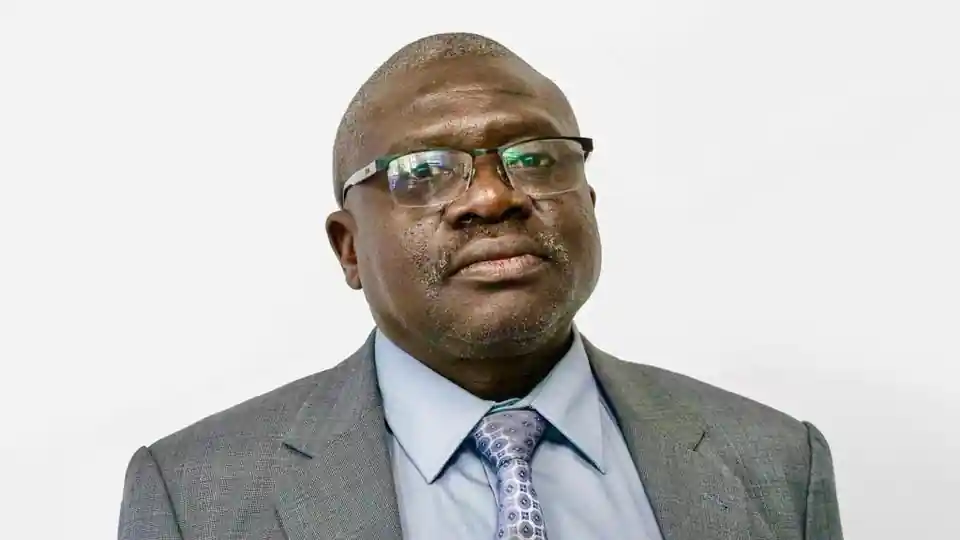
The 16 Days of Activism Against Gender-Based Violence opened in Kafue on Wednesday with a march and a specific money request. Lusaka Province Minister Obvious Mwaliteta asked Members of Parliament in the province to put part of their Constituency Development Fund (CDF) into the fight against gender-based violence (GBV).
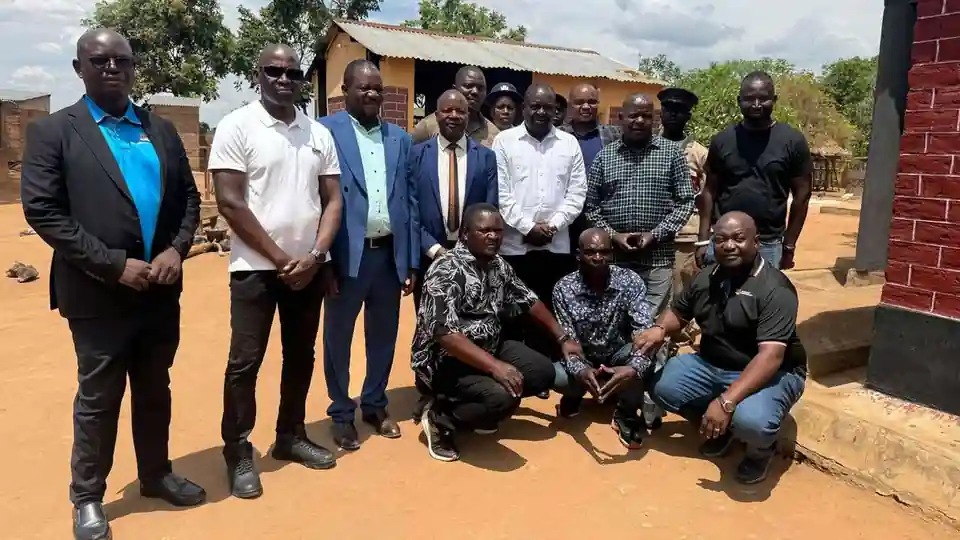
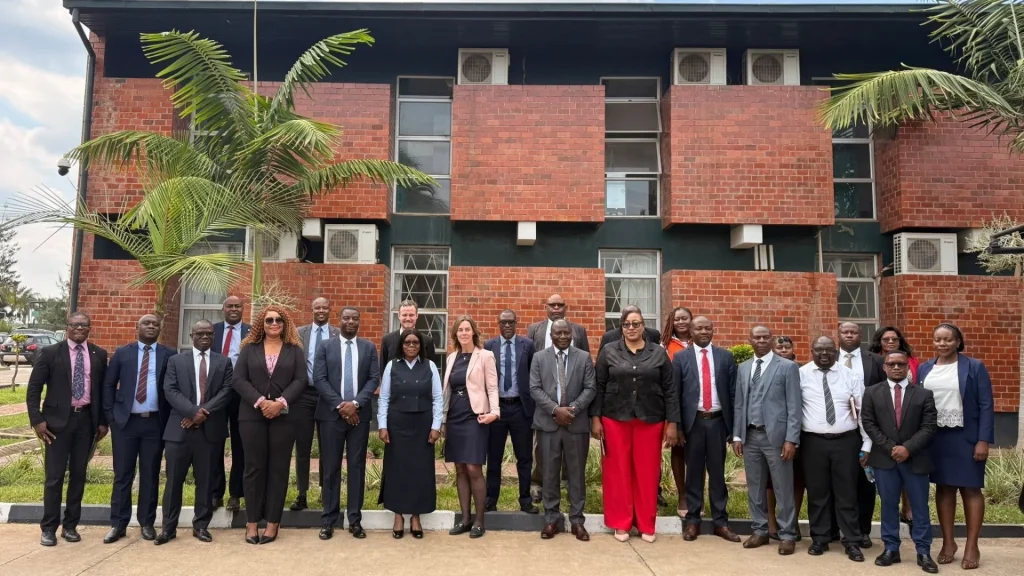
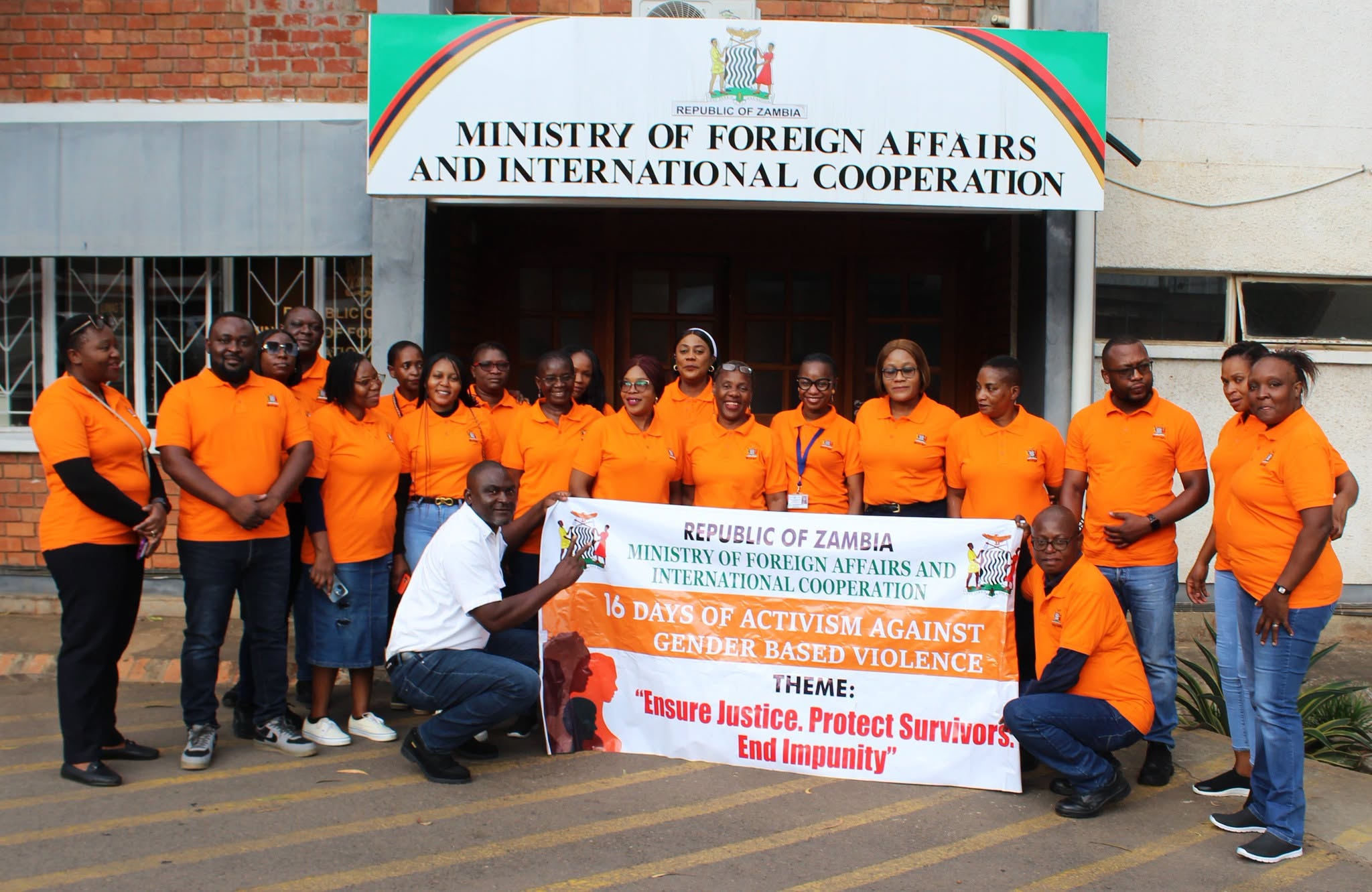
The Ministry of Foreign Affairs and International Cooperation joined community members and other stakeholders for the provincial kick-off. UNICEF’s Country Representative in Zambia, Dr Saja Farooq Abdullah, attended with other senior officials. This year’s theme is “Ensure Justice, Protect Survivors, End Impunity”, a call for perpetrators to be held to account and for survivors to get access to justice.
Why Lusaka Province, and why the CDF
Lusaka Province carries the heaviest caseload. Of the 10,881 GBV cases police recorded between April and June 2026, 7,261 were criminal, and Lusaka Province accounted for 1,696 of those, or 23.4%. Women and girls made up 73.8% of victims. In the first quarter, police counted 10,231 cases nationwide, with physical abuse the most common form.
The CDF is the largest pot of money that local communities control directly. It has grown from K1.6 million per constituency in 2021 to K40 million in 2026, a national envelope of about K6.245 billion. Under the 2027 Budget the national total rises to about K9 billion because there are more constituencies, while each constituency stays at K40 million. Most of it goes on classrooms, clinics, roads, bursaries and empowerment grants.
What a small share would buy
One per cent of a constituency’s K40 million is K400,000 a year. That money could go towards running costs for a village-led one-stop centre, transport for survivors to reach a hospital or a fast-track court, or a community safe house. The UN-backed programme that set up Zambia’s GBV services built its response around four pieces: fast-track courts, one-stop centres, shelters and village-led one-stop centres. Several of those were paid for by donors, not the Treasury.
Justice is the bottleneck
The theme’s emphasis on ending impunity reflects a familiar gap between reports and convictions. Amnesty International noted that of 685 child rape cases recorded in the first quarter of 2025, only 224 reached court. Zambia’s fast-track courts, created after the Anti-Gender-Based Violence Act of 2011, were designed to shorten that path, with separate witness rooms so survivors can give evidence by video link. They operate in a limited number of towns.
Funding is the other pressure. A USAID-funded STOP GBV project was suspended after US funding cuts, and the EU-UN Spotlight Initiative has stepped in to bridge service gaps in Chinsali and Isoka. If donor money keeps shrinking, local budgets such as the CDF are one of the few places left to fill the gap.
What it means for households and business
GBV is often treated as a social issue alone, but it has an economic cost. Survivors lose days of work and income, children miss school, and clinics and police absorb costs that rarely show up in budget debates. For employers, it shows up as absenteeism and staff turnover. A visible, funded local response is cheaper than the costs it prevents.
For ordinary Zambians, the practical question is whether help is close by. A survivor in a rural ward who has to travel to a district town for a medical report, a police statement and a court date often gives up. CDF money spent on a nearby one-stop centre or on transport for survivors shortens that distance.
Questions readers are asking
What are the 16 Days of Activism Against GBV?
It is an annual global campaign that runs from 25 November, the International Day for the Elimination of Violence Against Women, to 10 December, Human Rights Day. Zambia’s 2026 theme is “Ensure Justice, Protect Survivors, End Impunity”.
Can CDF money be used to fight gender-based violence?
CDF projects are chosen by constituency committees from community proposals, so MPs and committees can prioritise GBV projects such as one-stop centres, shelters or survivor transport. Mwaliteta’s request asks Lusaka Province MPs to do that.
How many GBV cases does Zambia record?
Police recorded 10,231 cases in the first quarter of 2026 and 10,881 in the second quarter. Women and girls make up about three-quarters of victims.
What to watch
The test of Wednesday’s call is in the 2027 CDF project lists that constituency committees approve in the new year. If Lusaka Province’s MPs publish a GBV line in those lists, other provinces will have a model to copy. If not, the 16 Days will end, as they often do, with more marches than money.
Ending GBV is a shared responsibility. If you or someone you know needs help, contact the Zambia Police Victim Support Unit or the nearest one-stop centre.
Related: Is CDF Money Reaching Small Farmers and Students? · CDF Must Not Become a Blank Cheque for Infrastructure · CDF Empowerment Grants and Loans: How to Apply · What Should Zambia’s Development Deliver for Ordinary Citizens? · Zambia Economic Dashboard
WARNING! All rights reserved. This material and all other digital content on this website may not be reproduced, published, broadcast, rewritten, or redistributed, in whole or in part, without the prior express permission of The Zambian Economist. Where permission is granted, the content must be clearly credited to “The Zambian Economist,” with “www.zambianeconomist.com” prominently displayed.
WhatsApp: +260775574228 | Email: info@zambianeconomist.com
© 2026 The Zambian Economist.
Featured image: Ministry of Foreign Affairs and International Cooperation.