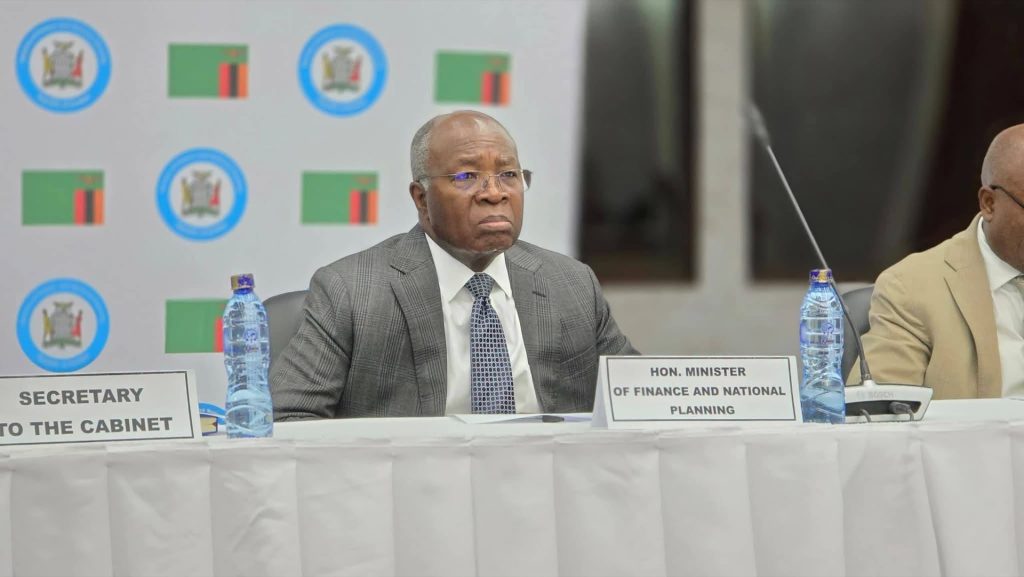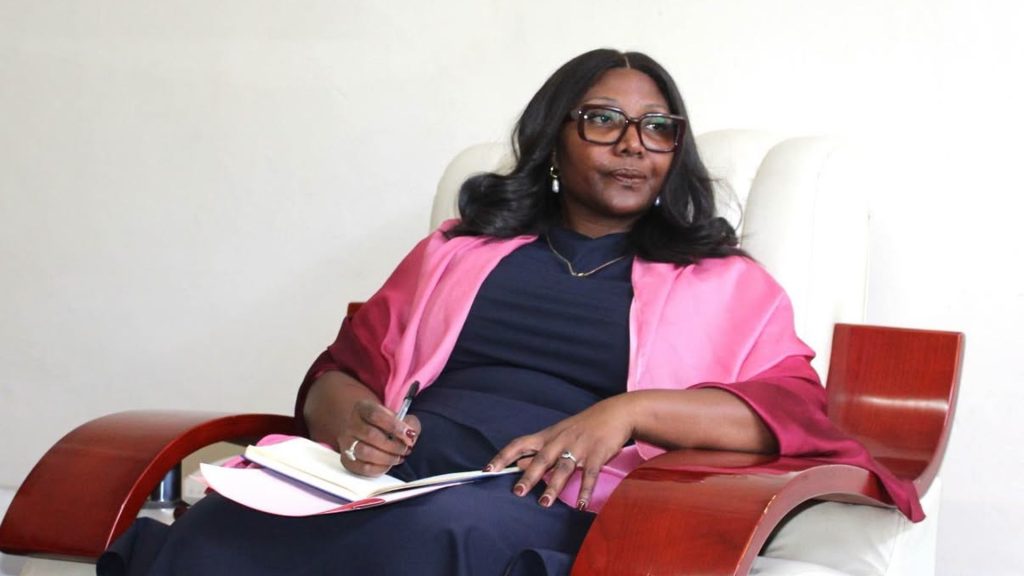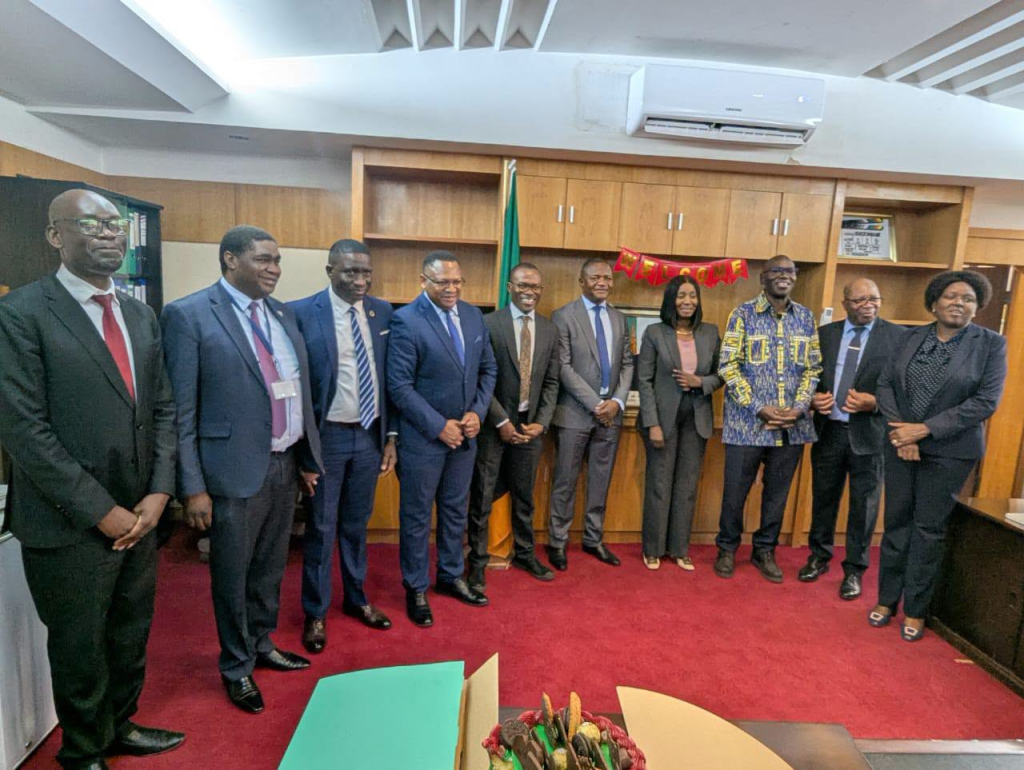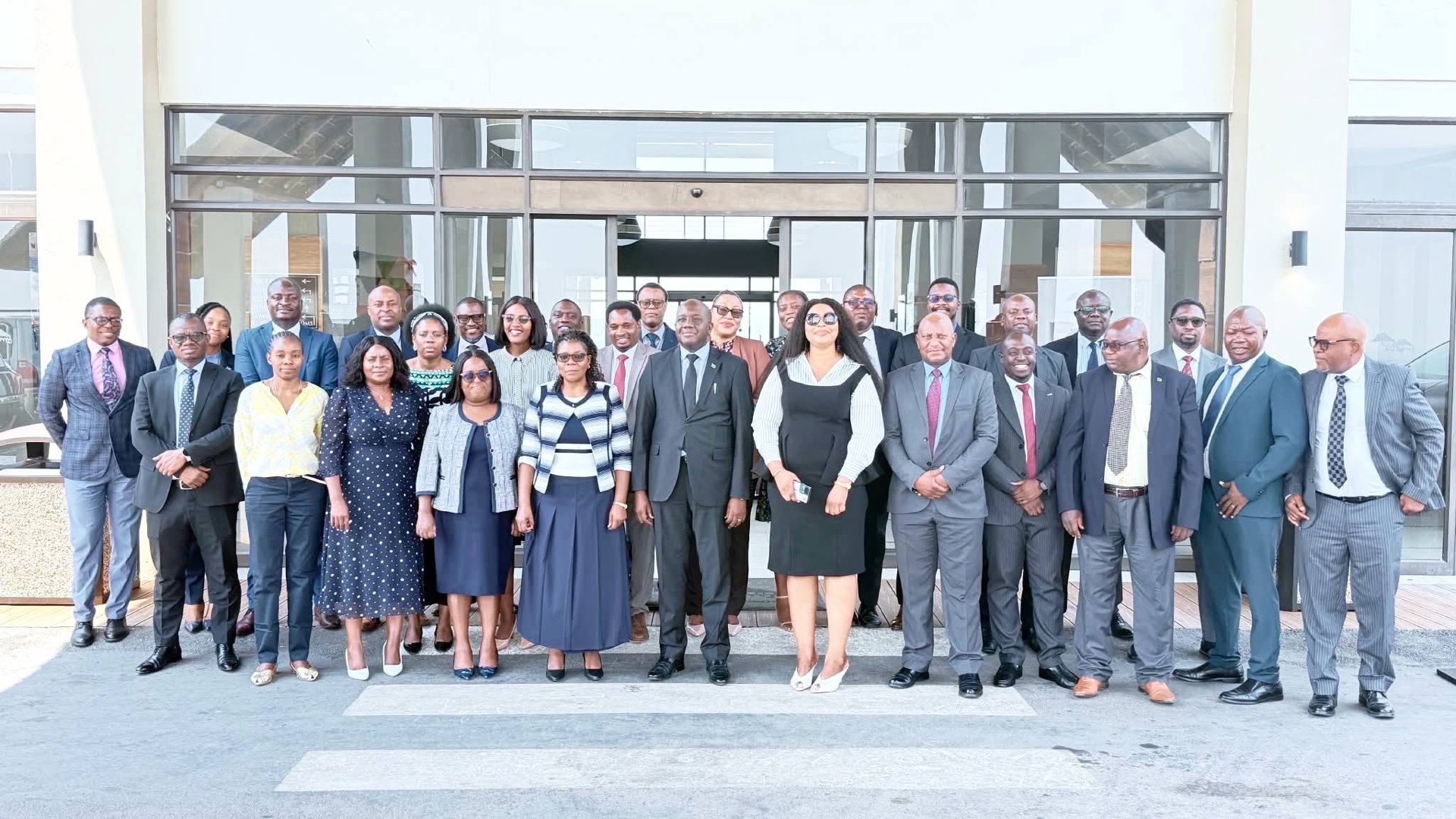
Acting Auditor General Patricia Malaila has opened the Office of the Auditor General’s 2027-2031 Strategic Planning Meeting in Lusaka, tasking the core team with a SMART plan anchored in the Grow Zambia Agenda, as Permanent Secretary Alfred Sakwiya challenged the office to keep the plan a living document.
KEY TAKEAWAYS
- Acting Auditor General Ms Patricia Malaila has officially opened the OAG’s 2027-2031 Strategic Planning Meeting at Legacy Resort.
- She called for a SMART plan, Specific, Measurable, Achievable, Relevant and Timebound, aligned to the Grow Zambia Agenda and national development priorities.
- Management Development Division Permanent Secretary Mr Alfred Sakwiya challenged the OAG to make the plan a living document that responds to changing circumstances and guides decision making.
- The plan covers the audit institution’s mandate over transparency, accountability, integrity and value for money in public resources.
- It lands as Parliament’s watchdog machinery, from the 2025 audit findings to the Public Accounts Committee, works through the biggest reform questions of the day.
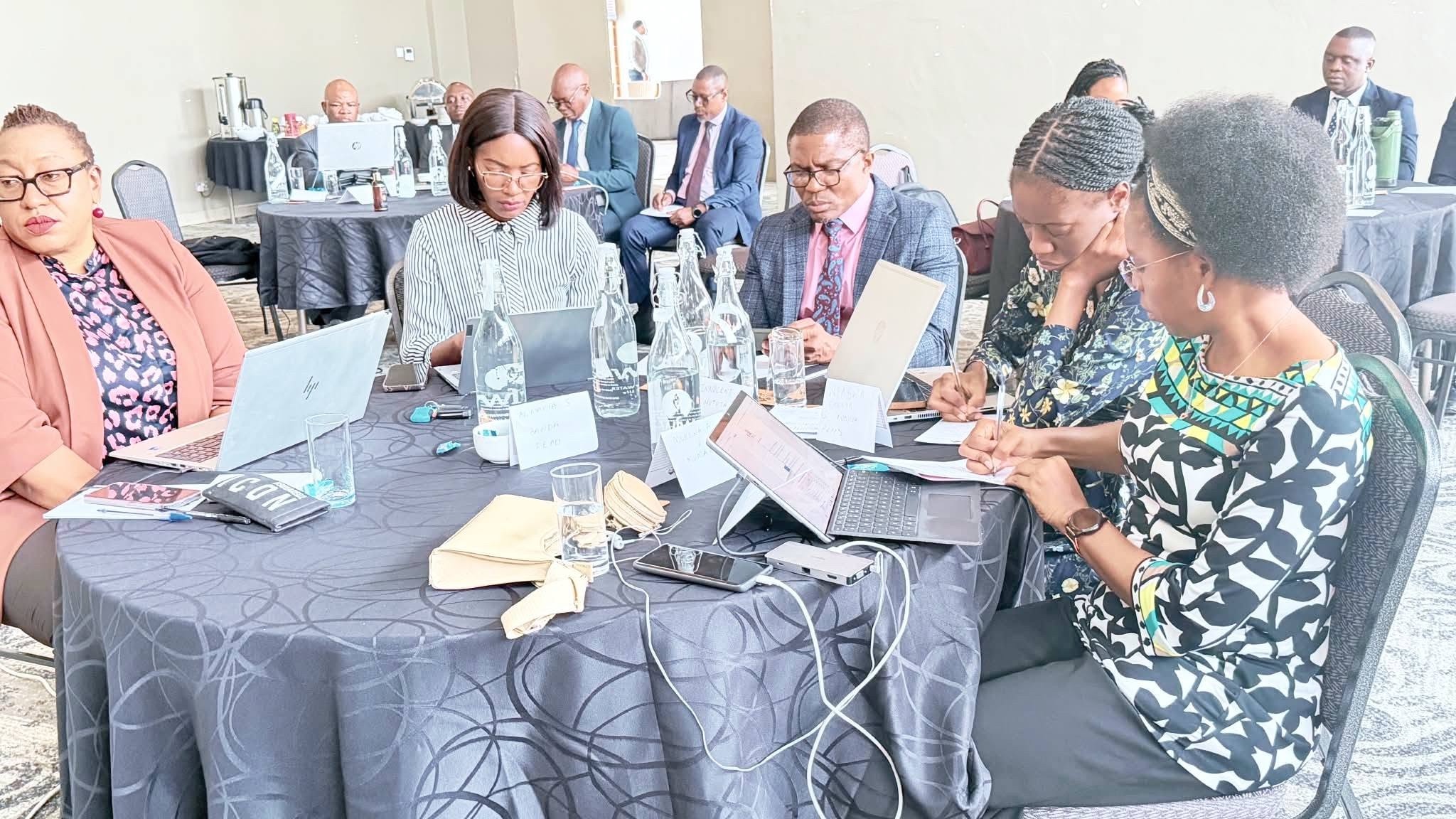
LUSAKA: The Office of the Auditor General (OAG) has begun shaping its next five years. Acting Auditor General Ms Patricia Malaila on Thursday officially opened the institution’s 2027-2031 Strategic Planning Meeting at Legacy Resort in Lusaka, charging the core team assembled for the retreat with producing a strategic plan that is SMART: Specific, Measurable, Achievable, Relevant and Timebound.
The instruction from the top of the institution was explicit. The plan must align with the Grow Zambia Agenda and with Zambia’s national development priorities, so that the supreme audit institution’s workplan and the country’s growth programme pull in the same direction rather than running on parallel tracks.
A five-year plan for the people who audit the five-year plan
The timing is not accidental. The OAG’s new strategic window, 2027 to 2031, opens in the same year the government’s growth agenda moves from launch rhetoric to budget arithmetic, and the office that certifies whether public money landed where Parliament sent it is designing the machinery it will use to check.
The stakes are easy to underestimate because they are usually expressed in institutional language. In plain terms: the OAG is the office that told the nation about the K3.56 billion in health arrears and K626.64 million in uncollected mining penalties flagged in the 2025 audit cycle. A strategic plan that strengthens how audits are planned, staffed and timed decides whether findings of that magnitude arrive earlier, land harder and get followed up.
Sakwiya’s challenge: a plan that breathes
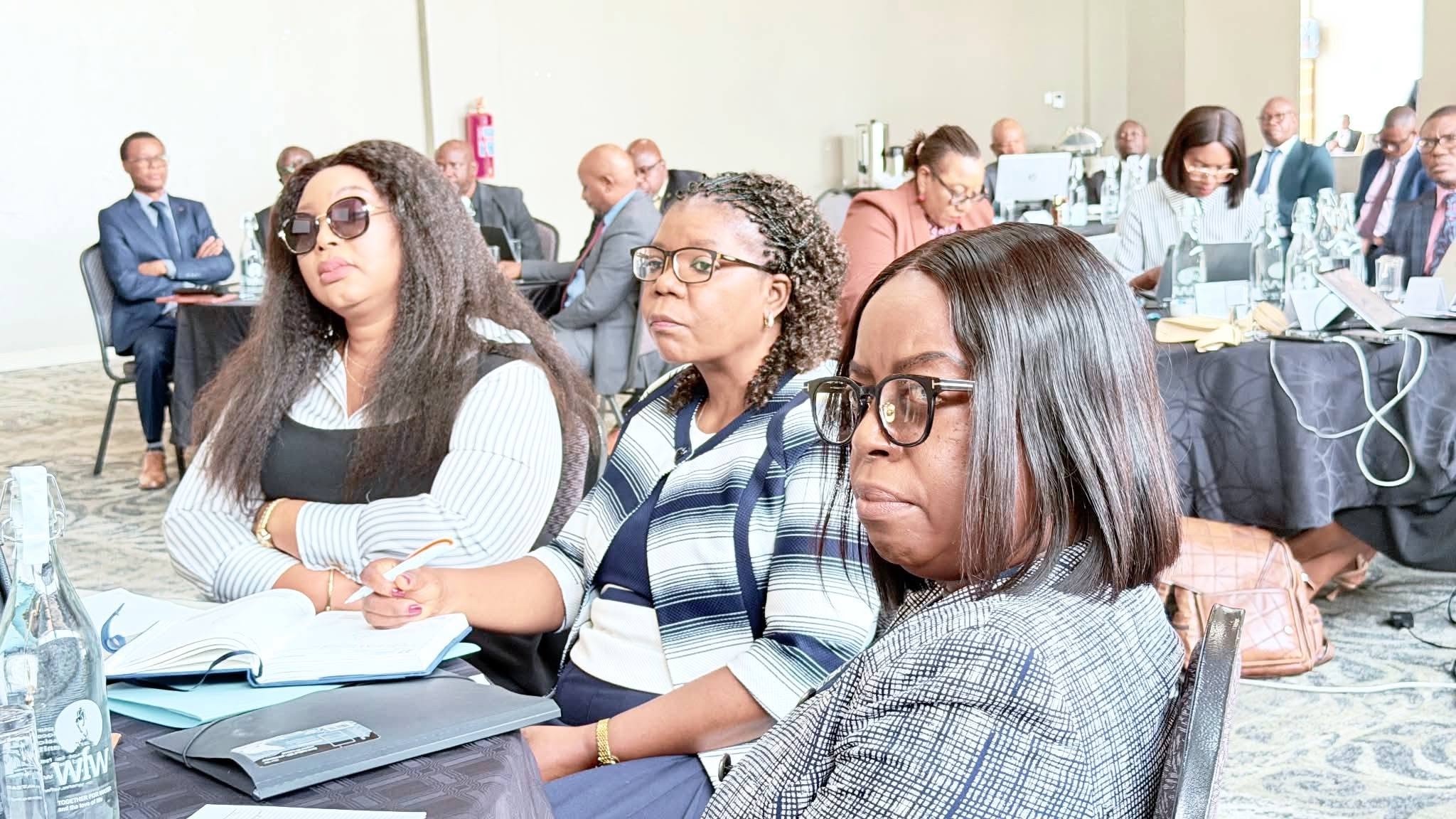
Permanent Secretary for the Management Development Division (MDD), Mr Alfred Sakwiya, brought the harder message of the opening session. He challenged the OAG to ensure the strategic plan remains a living document, one that responds to changing circumstances, guides decision making and supports effective implementation of the institution’s strategic objectives.
That is a pointed framing for a government that has spent 2026 restructuring itself, from a reconstituted line-up of thirty ministries to ministerial performance contracts. An audit office working off a rigid five-year template would drift out of step with the machinery it audits. A living plan, in Sakwiya’s telling, is one that moves when the institutions being audited move.
SMART, and what it should measure
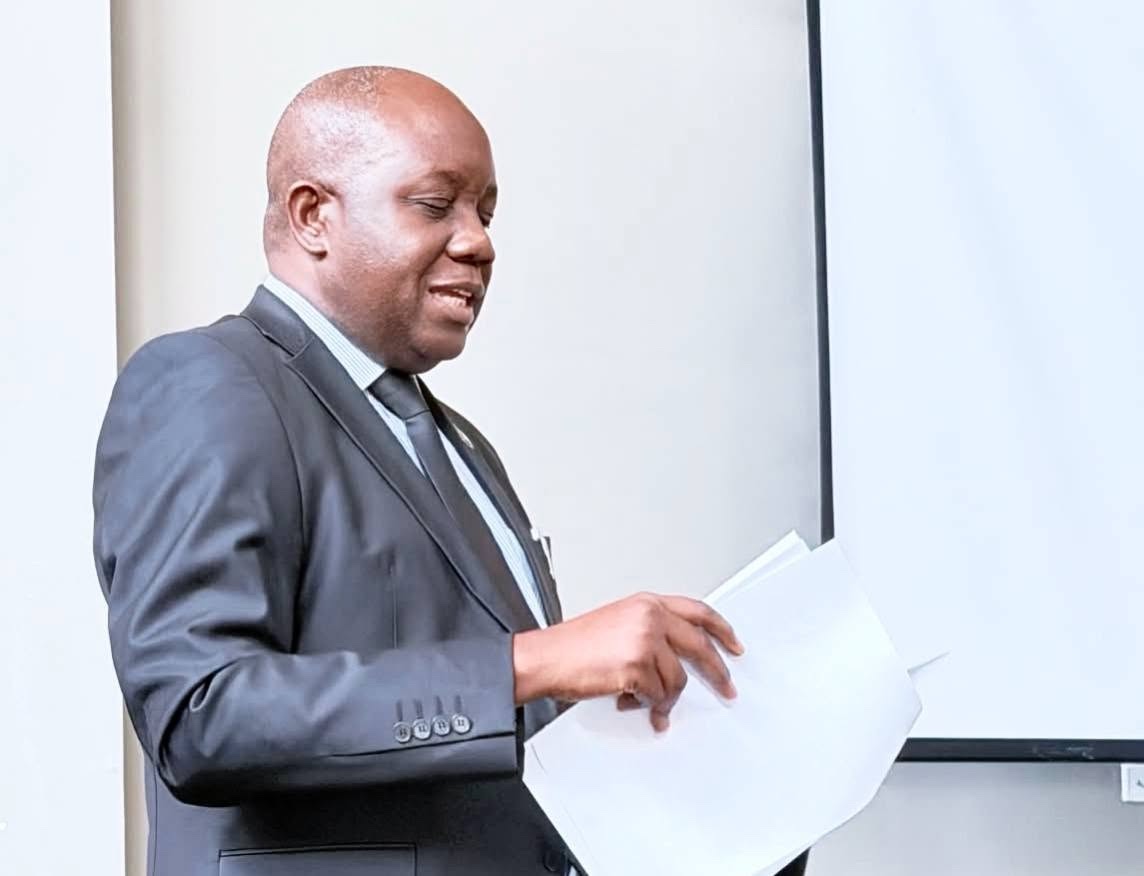
The SMART criterion the Acting Auditor General insisted on is the audit profession turning its own lens on itself: every objective the plan sets should be specific enough to audit later. For an institution whose product is accountability, the obvious measures are audit coverage, the share of ministries, provinces and spending agencies actually audited each year; timeliness, how close report publication sits to financial year end; and follow-through, how many recommendations are implemented rather than merely tabled.
The external scaffolding for that work is already being built elsewhere in government. The Access to Information Act has widened the public’s window into official records, Parliament’s Public Accounts Committee under its new leadership is the conveyor belt for audit findings, and a separate drive to train and certify 350 public sector internal auditors is strengthening the first line of defence inside ministries. A 2027-2031 plan that plugs into all three turns the OAG from a reporter of losses into the hub of a wider accountability system.

What this means for business and policy
For policy: the plan’s alignment with the Grow Zambia Agenda signals that future audit priorities will track the growth programme’s spending, agriculture, mining, energy and infrastructure first. Ministries and agencies carrying those budgets should expect sharper and possibly earlier scrutiny in the 2027 cycle.
For business: firms that contract with government, suppliers, contractors and consultants, should read a stronger OAG as a statement on documentation discipline. Audit queries increasingly translate into PAC hearings, recovered funds and procurement retrials, as the K16.7 million social cash transfer case showed. Clean paper today is cheaper than explaining it tomorrow.
For the public: the strategic planning process, as the OAG itself framed it, is an opportunity to strengthen institutional effectiveness and reaffirm commitment to transparency, accountability, integrity and value for money in the management of public resources. The test, as always with the office, is delivery: whether the 2027 plan produces audits that arrive on time and findings that get acted on.
Related reading
- Zambia’s 2025 audit: K3.56bn in health arrears and K626.64m in uncollected mining penalties
- Where did our money go? A citizens’ guide to Zambia’s 2025 audit
- Kawina Takes the Chair at Public Accounts Committee, Succeeding Mwambazi
- Sabao Re-elected Deputy Chairperson of Public Accounts Committee, Unopposed
- The Window to Accountability: How the Access to Information Act Empowers Citizens
- Zambia Moves to Standardise Internal Audit: 350 Public Auditors to Be Trained and Certified
- Thirty Ministries, Eight Targets: What Zambia Should Demand in Return
- Budget 2027: A Bigger Envelope With Only K6.9 Billion of Room
- The Grow Zambia Agenda Explained
- K16.7 Million Social Cash Transfer Money Goes Missing
Sources
- Office of the Auditor General, opening remarks at the 2027-2031 Strategic Planning Meeting, Legacy Resort, Lusaka, 29 October 2026.
- Management Development Division statement on the OAG strategic planning process.
- The Zambian Economist reporting on Zambia’s 2025 audit cycle and the Public Accounts Committee.
Related: Line by Line: Musokotwane Sends New Ministers to Budget School Ahead of 6 November
WARNING! All rights reserved. This material and all other digital content on this website may not be reproduced, published, broadcast, rewritten, or redistributed, in whole or in part, without the prior express permission of The Zambian Economist. Where permission is granted, the content must be clearly credited to “The Zambian Economist,” with “www.zambianeconomist.com” prominently displayed.
WhatsApp: +260775574228 | Email: info@zambianeconomist.com © 2026 The Zambian Economist.
Work With The Zambian Economist: Advertise With Us | List With Us | Submit an Article