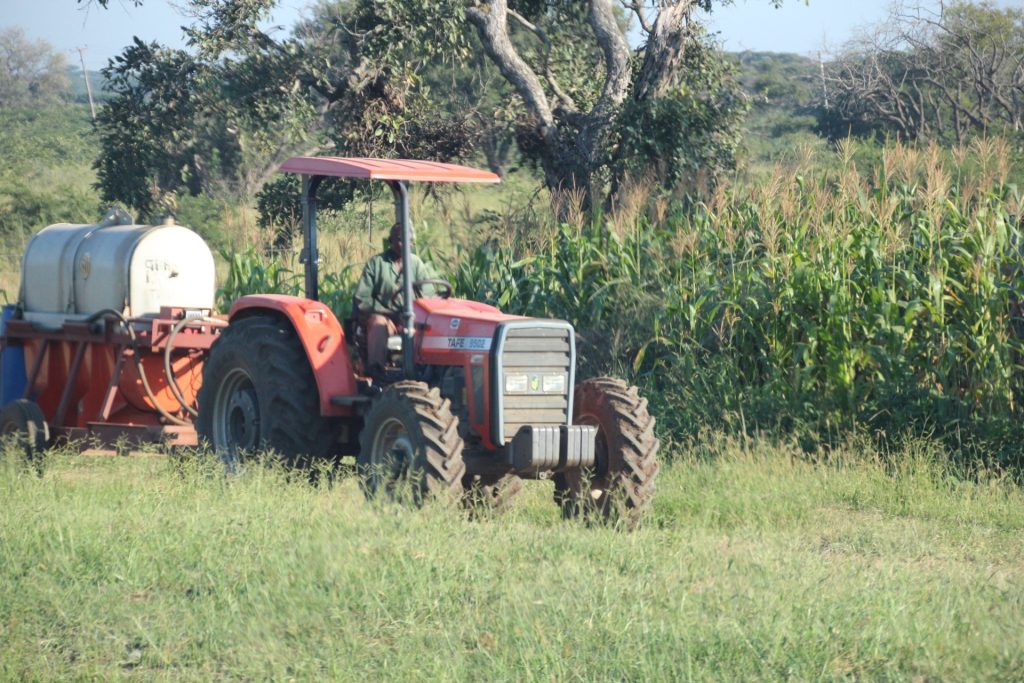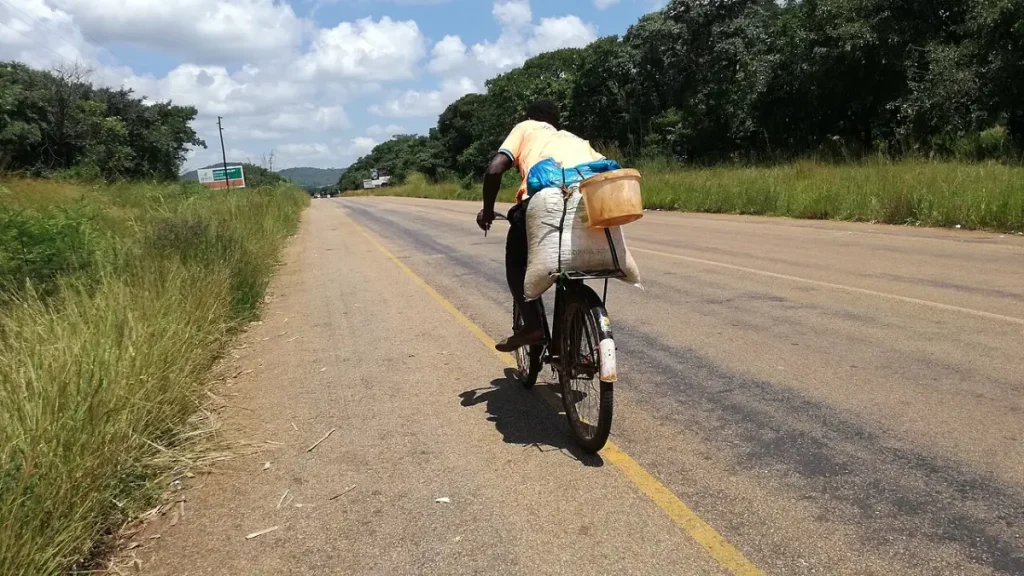


About 65 per cent of targeted farmers had collected inputs by 22 October, while the Government expands drought preparedness for the 2026/27 farming season.
Key takeaways
- 670,371 farmers had redeemed FISP inputs by 22 October 2026, against a target of 1,024,434.
- 761,666 beneficiaries had received redemption codes; 354,063 targeted farmers had yet to redeem inputs.
- The Government has approved 805 suppliers and says about 600,000 farmers have received climate-smart agriculture training.
- Drought-tolerant seeds, weather advisories and stronger beneficiary checks form part of preparations for anticipated rainfall disruptions.
LUSAKA. Zambia’s Farmer Input Support Programme (FISP) had reached 670,371 farmers with redeemed agricultural inputs by 22 October 2026, Finance and National Planning Minister Dr Situmbeko Musokotwane has told Parliament.
Speaking as Acting Minister of Agriculture, Musokotwane said the redemptions represented about 65 per cent of the 1,024,434 beneficiaries targeted for the 2026/27 farming season. The figures were reported in a statement published by the Ministry of Finance and National Planning.
The nationwide electronic voucher system covers all 116 districts. By the same reporting date, 761,666 farmers, about 74 per cent of the target, had received redemption codes.
How many FISP beneficiaries have yet to redeem inputs?
The reported totals leave 354,063 targeted beneficiaries who had yet to redeem inputs. There were 91,295 more codes issued than completed redemptions, while 262,768 targeted farmers had yet to receive codes. These are calculations from the Ministry’s figures, rather than additional categories reported by the minister.
| FISP indicator | Farmers | Share of target |
|---|---|---|
| Target for 2026/27 | 1,024,434 | 100% |
| Redemption codes received | 761,666 | 74.4% |
| Inputs redeemed | 670,371 | 65.4% |
| Yet to redeem, calculated | 354,063 | 34.6% |
Source: Ministry statement; percentages calculated and rounded to one decimal place. Redemption figures are as at 22 October 2026.
The Government has approved 805 agro-input suppliers from 1,734 applications. Participating dealers must stock a wider range of products, including fertiliser, seeds, veterinary medicines, pesticides, herbicides and agricultural lime.
Preparing for erratic rainfall
Musokotwane said about 600,000 farmers had received climate-smart agriculture training as Zambia prepares for anticipated normal-to-below-normal rainfall, prolonged dry spells and erratic precipitation associated with El Niño.
The measures include certified drought-tolerant and early-maturing seeds, district disaster preparedness plans, meteorological advisories and expanded agricultural extension services. The rainfall outlook is presented here as the Government’s stated planning assumption.
For farming households, the practical issue is whether inputs are collected in time to use them in line with local planting advice. Dealers face the task of keeping suitable products available as redemptions continue. The statement does not provide district-level redemption totals, so the national percentage cannot establish which areas face the largest delivery gaps.
Mobile verification and farmer records
The Zambia Integrated Agriculture Information Management System has been linked to Zamtel, MTN and Airtel to strengthen beneficiary verification, the minister said. Integration with the Food Reserve Agency is intended to help monitor maize sales and compliance with farmer obligations.
The Government’s farmer database covers approximately 4.6 million farmers. Biometric information has been captured for 1.9 million, with another one million targeted during 2026. That wider register is distinct from the FISP beneficiary target for this season.
Musokotwane placed the measures under the Grow Zambia Agenda, which he said targets production of 10 million metric tonnes by 2031. The statement does not specify the crop composition of that production target.
He urged beneficiaries to redeem inputs personally and protect their redemption codes against misuse.
What the figures mean for agricultural policy
The redemption total measures progress in collecting inputs; it does not establish how much has been planted or predict the coming harvest. Input availability, rainfall and farming practices will affect the season’s outcome.
For policymakers, the remaining caseload provides a measurable delivery task. For businesses supplying farmers, the electronic voucher programme creates demand across approved dealers, but the statement gives no supplier-level sales, payment timelines or programme expenditure figures.
Related reporting: the supplementary budget request for FRA and FISP, Auditor General findings on beneficiary verification and El Niño and the wider food-security challenge. Explore our Agriculture & Mining coverage.
Subscribe to The Ledger for Zambia’s economic and policy news.
WARNING! All rights reserved. This material and all other digital content on this website may not be reproduced, published, broadcast, rewritten, or redistributed, in whole or in part, without the prior express permission of The Zambian Economist. Where permission is granted, the content must be clearly credited to “The Zambian Economist,” with “www.zambianeconomist.com” prominently displayed.
WhatsApp: +260775574228 | Email: info@zambianeconomist.com© 2026 The Zambian Economist.