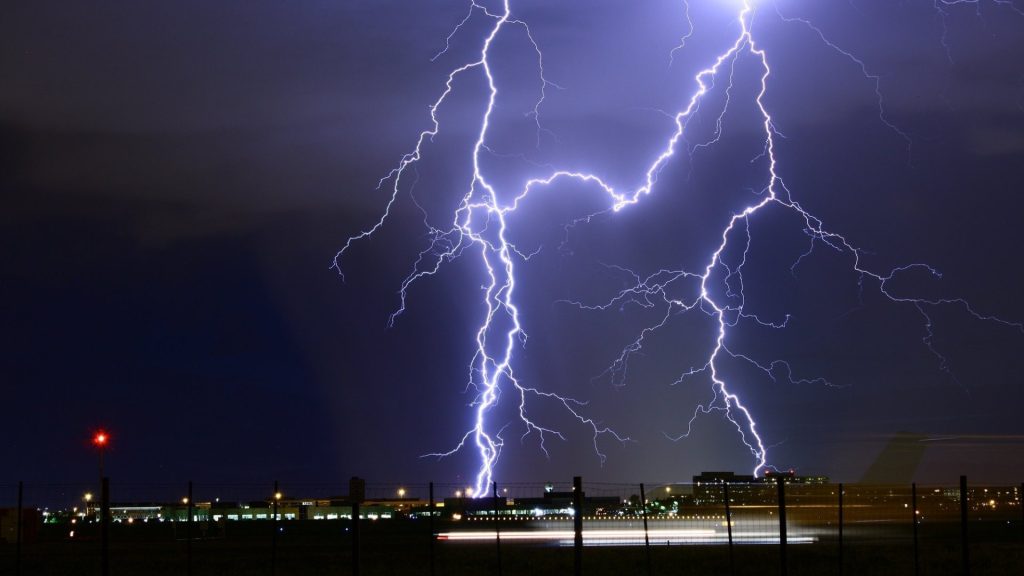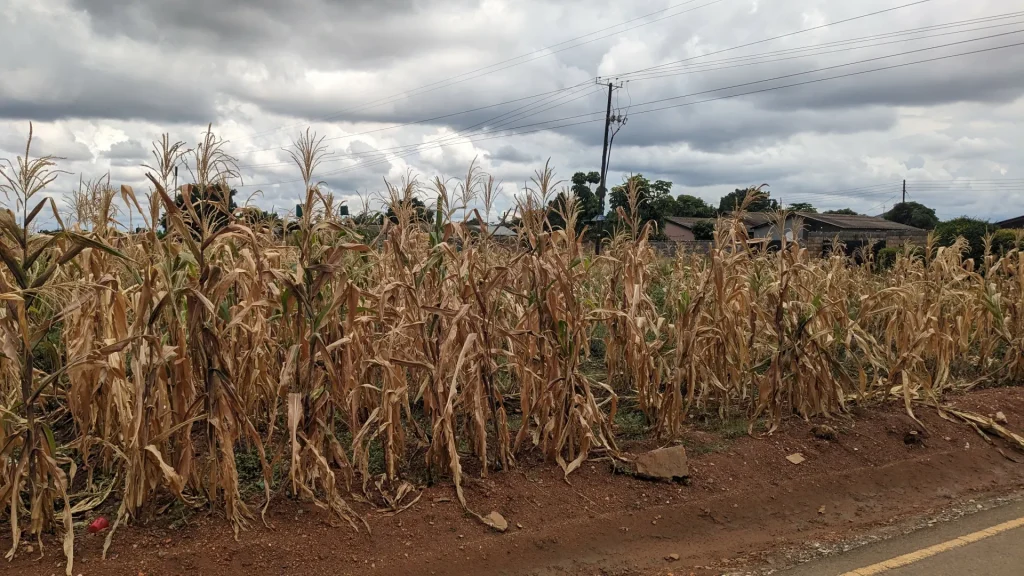
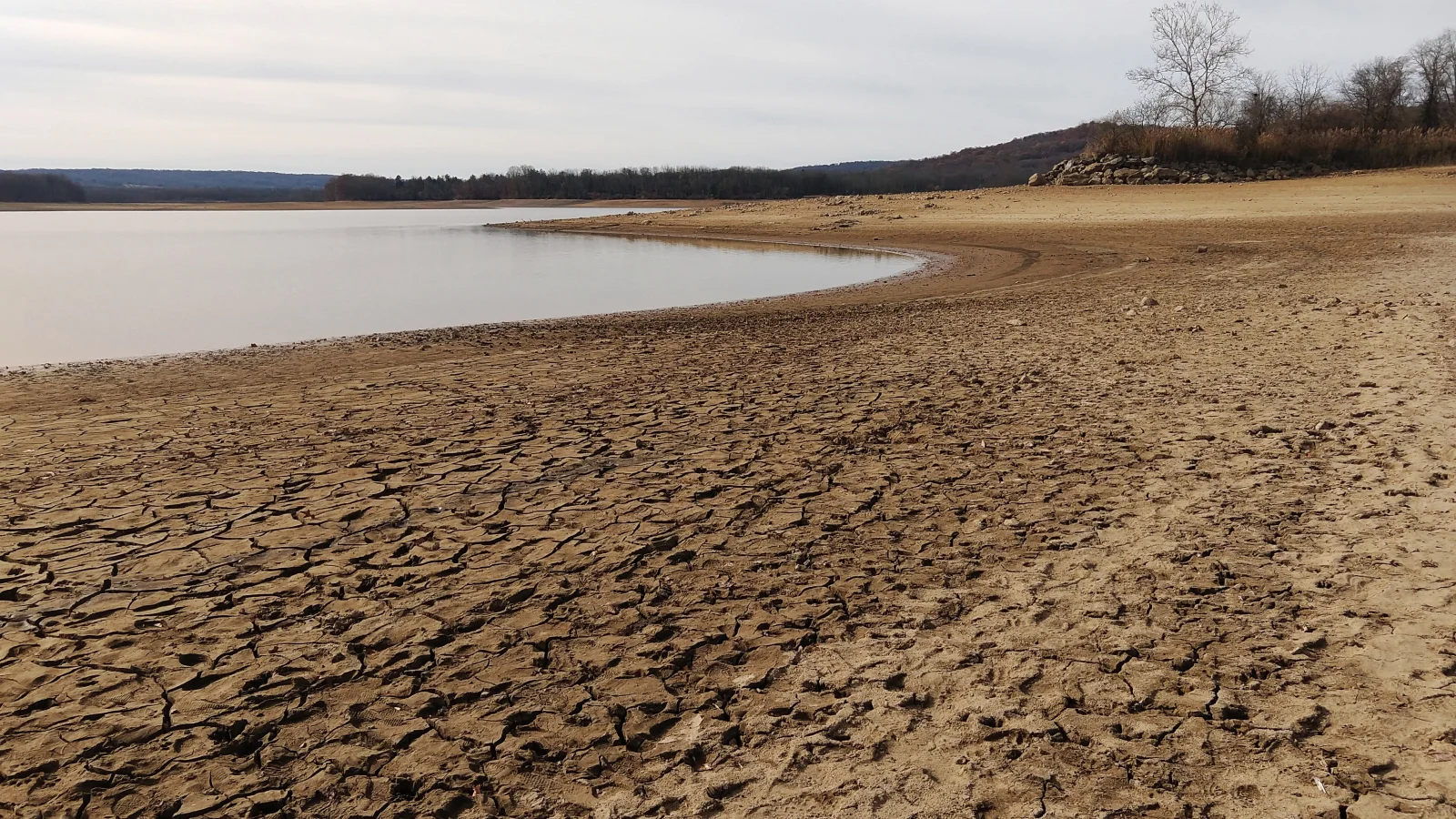
The human dimension of climate change is no longer a projection on a map. It is visible in the fields, markets and homes of communities far from the Pacific Ocean, where El Niño begins.
By Dr Kelvin Kamayoyo, Technical Advisor, African Rivers | The Zambian Economist Analyst
KEY TAKEAWAYS
- In Guatemala and Honduras, farmers are already adapting to failed rains through indigenous forecasting signals and World Food Programme anticipatory support, including grain silos, training and food rations for tens of thousands of people.
- Zambia’s Meteorological Department has forecast a strong, or “super”, El Niño for the 2026/2027 season, with southern and central provinces expected to be the driest.
- Malawi is projecting 2.6 million people facing acute hunger and Madagascar 3.7 million facing crisis-level food insecurity, showing the scale of exposure well beyond Africa’s usual reference points.
- Forecasts of intense rainfall and flash floods in eastern and southern Africa and southeast Asia mean bridges, dams, roads and drainage systems need stress-testing now, not after they fail.
- The 2026/2027 event is part of a cyclical pattern intensified by a warming climate. Countries that fund anticipatory action early, rather than waiting for a crisis, will be better placed to protect lives and livelihoods.
A lived experience, not an abstraction
“It simply means El Niño is no longer abstract, but a lived experience impacting dignity, culture and survival,” said Dr Kelvin Kamayoyo, Technical Advisor for African Rivers (WFP, 2026). That shift from forecast to lived reality is playing out on farms and in households on almost every continent this season, not only in the African communities most often associated with El Niño’s effects.
Central America reads the signs early
In Uriles Pinalón, in southeastern Guatemala, farmer María Gómez watches the sky and waits for rains that no longer arrive on time. The shift was foreshadowed long before any forecast, by the early emergence of zompopos, giant queen ants that her community has trusted as a seasonal signal for generations. For her family and neighbours, support from the World Food Programme, including grain silos to store maize and beans, is now a critical buffer. “Before, when the corn was finished, it was necessary to buy it,” and spend savings, she recalls (WFP, 2026).
In Honduras, farmer Federico Medina Bardales, 69, has endured repeated failed harvests. Today he is part of a different response. Through anticipatory programming, he and 36,000 other vulnerable people are receiving technical training, farm inputs and food rations designed to act before disaster strikes, rather than after (WFP, 2026).
Zambia’s season of risk
Across the Atlantic in Zambia, the memory of the devastating 2023/2024 drought is still fresh. Meteorological warnings now point to a strong, or “super”, El Niño for the 2026/2027 farming season, with southern and central provinces expected to be the driest (ZMD, 2026). In response, government and development partners are urging early action: scaling up climate-smart farming, promoting drought-resistant crops and investing in improved water-harvesting systems to protect the most vulnerable communities (ZMD, 2026).
The toll widens across Africa
The pressure is mounting elsewhere on the continent too. Malawi is preparing for both flash floods and prolonged dry spells, with 2.6 million people projected to face acute hunger during the 2026/2027 lean season (WFP, 2026). In Madagascar, 3.7 million people are forecast to face crisis-level food insecurity or worse between October and January. With drought projected in the south, the World Food Programme is preparing cash transfers, nutrition support and early-warning information for 75,000 people (WFP, 2026).
Crops and infrastructure built for the strain
For developing countries in Africa and beyond, building climate resilience now has to be a priority. That means cultivating crops that can withstand both weather extremes and disease pressure while still delivering profitable yields for farmers. As wheat breeder Santosh Kumar puts it: “We cannot control the weather. The only thing we can control is what we do about the weather.”
Beyond agriculture, governments must act to safeguard the systems that hold societies together. With projections of intense rainfall and flash floods in parts of eastern and southern Africa and southeast Asia during this El Niño (WMO, 2026), there is an urgent need to stress-test bridges, roads, dams, drainage systems and other critical infrastructure (American Association of State Highway and Transportation Officials, 2020). A bridge that fails in a flood does not just disrupt transport. It cuts off markets, hospitals and humanitarian aid when they are needed most.
A narrow window for action
The impacts of El Niño are moving quickly through food, water and health systems, and time is limited. Countries need to ring-fence financing for anticipatory action, design multisectoral response strategies that link agriculture, water, health and social protection, and mobilise support for humanitarian action through multilateral cooperation.
The 2026/2027 El Niño is not an isolated event. It is part of a cyclical pattern made more severe by a warming climate (IPCC, 2023), a point the United Nations climate body has itself put in terms of public welfare rather than technical risk (UNFCCC, 2026). Cycles, though, can be prepared for. Countries that invest early in resilience, information and cooperation will be better placed to protect lives, livelihoods and economies in the months ahead (WFP, 2026; AfDB, 2026). Whether this El Niño becomes a story of losses avoided or losses repeated depends on decisions being made now, not once the rains fail to arrive.
References
African Development Bank (AfDB) (2026) African Economic Outlook 2026: Climate Shocks and Growth. Abidjan: AfDB.
American Association of State Highway and Transportation Officials (AASHTO) (2020) Manual for Bridge Evaluation, 3rd edn. Washington, DC: AASHTO.
Intergovernmental Panel on Climate Change (IPCC) (2023) Climate Change 2023: Synthesis Report. Geneva: IPCC.
United Nations Framework Convention on Climate Change (UNFCCC) (2026) Statement by Simon Stiell, Executive Secretary, on Climate and Public Welfare. Bonn: UNFCCC.
World Food Programme (WFP) (2026) El Niño Anticipatory Action and Food Security Outlook 2026-2027. Rome: WFP.
World Meteorological Organization (WMO) (2026) El Niño/La Niña Update. Geneva: WMO.
Zambia Meteorological Department (ZMD) (2026) Seasonal Climate Outlook for 2026/2027. Lusaka: ZMD.
Related reading: Understanding the ‘Supersized’ El Niño of 2026/2027, Supersized El Niño 2026/2027 To Stress Rivers, Africa Must Prepare Now for the Unrelenting 2026 El Niño Wave and Zambia Leads with Foresight in Preparing for the 2026/2027 Supersized El Niño.
WARNING! All rights reserved. This material and all other digital content on this website may not be reproduced, published, broadcast, rewritten, or redistributed, in whole or in part, without the prior express permission of The Zambian Economist. Where permission is granted, the content must be clearly credited to “The Zambian Economist,” with “www.zambianeconomist.com” prominently displayed.
WhatsApp: +260775574228 | Email: info@zambianeconomist.com
© 2026 The Zambian Economist.