A Charter House meeting puts stakeholder participation on the agenda ahead of November’s Addis Ababa gathering on hydropower and water-energy security.
Key Takeaways
- Permanent Secretary Etambuyu Anamela Gundersen met KGRTC’s Caristo Chitamfya to discuss preparations for the 36th African Hydro Symposium.
- The Ministry pledged support to facilitate participation by relevant stakeholders.
- KGRTC and UNECA list the Addis Ababa event for 3–6 November 2026, under a theme linking climate resilience, hydropower and water-energy security.
- The engagement announces coordination support, with no new electricity project or financing commitment specified in the supplied briefing.
Zambia’s Ministry of Foreign Affairs and International Cooperation has pledged support for stakeholder participation in the 36th African Hydro Symposium, as preparations continue for the November gathering in Addis Ababa, Ethiopia.
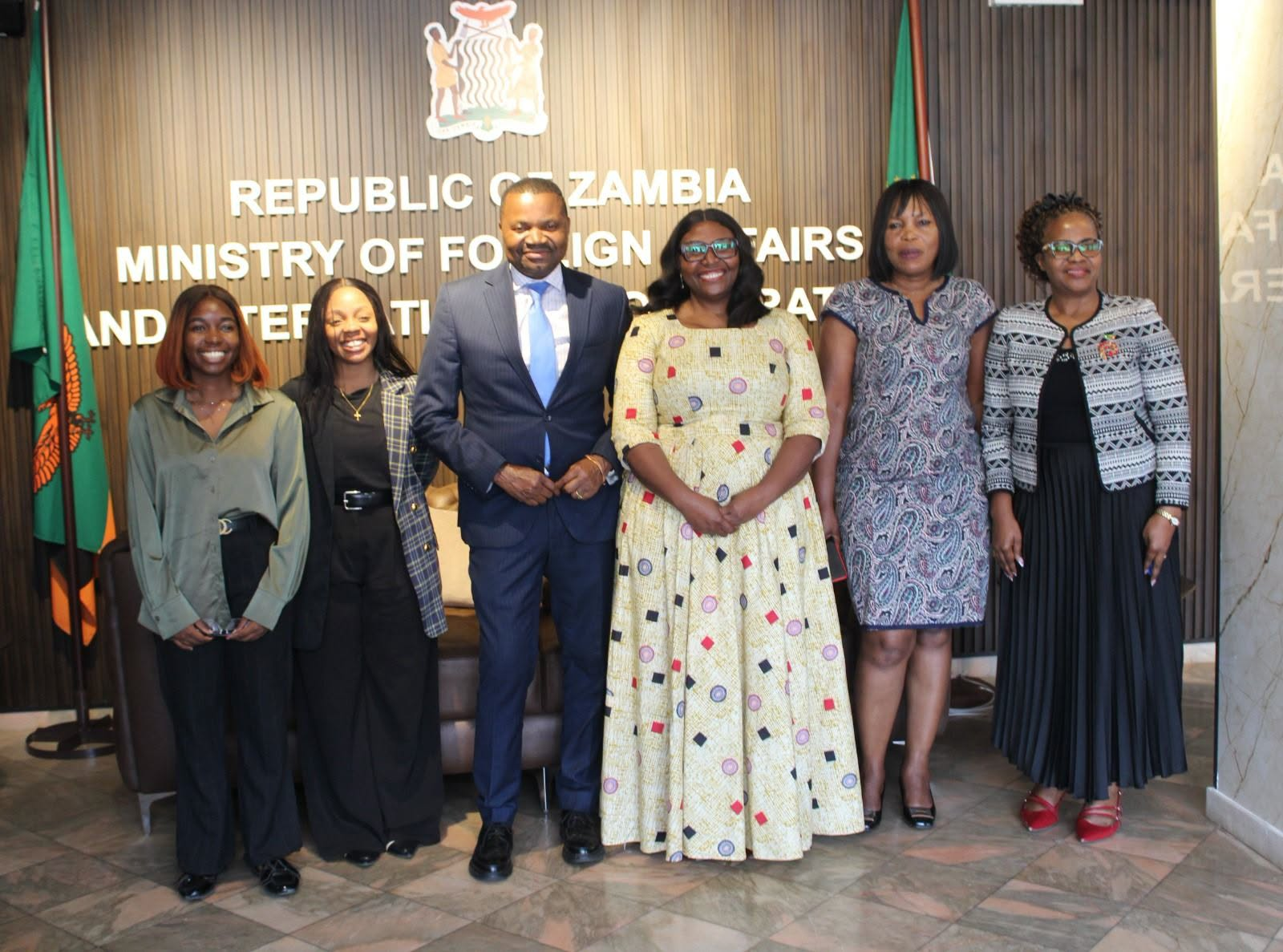
According to the supplied meeting briefing, Ms Etambuyu Anamela Gundersen, Permanent Secretary for International Relations and Cooperation, received Mr Caristo Chitamfya, Head of Communications, Marketing and Business Development at the Kafue Gorge Regional Training Centre (KGRTC), at Charter House.
The discussions focused on preparations for the symposium. Gundersen assured Chitamfya of the Ministry’s support in facilitating effective participation by relevant stakeholders. Both parties reaffirmed their commitment to continued cooperation.
What is the African Hydro Symposium about?
The meeting briefing gives the theme as “Climate Resilience Hydropower and Water-Energy Security in Africa”. KGRTC’s event announcement uses the wording “Climate-Resilient Hydropower and Water–Energy Security in Africa”.
Senior government officials, utility companies and development finance institutions are expected to participate, alongside private businesses, researchers, technical experts and development partners from Africa and beyond, according to the supplied briefing.
KGRTC says the symposium will be held alongside the 11th Hydropower for Today Forum. Its programme covers plant operations, climate resilience, project financing, skills and electricity markets.
When will it take place?
KGRTC’s announcement and a UNECA release dated 13 October 2026 give the symposium dates as 3–6 November 2026 in Addis Ababa. These match the supplied meeting briefing.
The UN Indico registration listing currently shows 3–5 November at the United Nations Conference Centre. Prospective delegates should confirm the final programme and attendance dates with the organisers before making travel arrangements.
Why water-energy security matters for Zambia
Hydropower converts the movement of water into electricity. When water availability changes, the amount of power that a station can generate can change too. Managing that relationship requires attention to river-basin conditions as well as turbines and transmission lines.
For Zambian businesses, the practical concern is dependable electricity for production. A factory’s ability to fulfil orders, or a small enterprise’s ability to operate equipment, depends on power being available when it is needed. Households face the same reliability question in daily life.
Climate resilience therefore has a concrete meaning for electricity planning: assessing how a plant and the wider system would perform under different water conditions. Diversifying supply and coordinating generation sources can form part of that assessment. The appropriate mix requires technical and financial appraisal.
What could Zambia gain from participation?
The symposium offers a setting for utilities and technical institutions to compare operating experience and examine investment proposals. For Zambia, useful follow-up could include training that addresses specific operational gaps and better preparation of projects for financing. These are potential benefits, rather than outcomes secured by the Charter House meeting.
In its October release, UNECA says an African Energy Security Policy Framework launch and a cooperation memorandum involving AFREC and KGRTC are expected at the event. Those remain planned outcomes; the release does not establish that they have already taken place.
For developers and financiers, discussions on climate risk need to translate into credible project assumptions. Water availability, expected electricity sales and the cost of building and operating a plant all affect whether an investment is viable.
What should follow the preparatory meeting?
The supplied briefing identifies support for participation but does not name a final Zambian delegation, its budget or specific technical submissions. It also announces no new generation capacity, financing agreement or change to electricity supply schedules.
A useful measure of participation would be what stakeholders bring back: agreed technical work, practical training opportunities and project-preparation steps with named institutions responsible for follow-up. Attendance can open a conversation. The benefit to electricity users depends on subsequent delivery.
Sources: supplied Charter House meeting briefing; KGRTC symposium announcement; UNECA’s 13 October 2026 release; UN Indico event listing, checked 15 October 2026. Implications for businesses and proposed follow-up measures are The Zambian Economist’s analysis.
Follow our Agriculture & Mining coverage and Economic Diplomacy reporting. Related: ZESCO and the Emoluments Commission discuss sustainable pay and skills retention; What Zambia’s manufacturing vision means for production and jobs.
WARNING! All rights reserved. This material and all other digital content on this website may not be reproduced, published, broadcast, rewritten, or redistributed, in whole or in part, without the prior express permission of The Zambian Economist. Where permission is granted, the content must be clearly credited to “The Zambian Economist,” with “www.zambianeconomist.com” prominently displayed.
WhatsApp: +260775574228 | Email: info@zambianeconomist.com
© 2026 The Zambian Economist.