
Zambia’s minerals compact sets employment targets for 2031. The test is whether investment brings paid work and contracts that domestic firms can deliver.
Key takeaways
- The compact’s 2031 targets are 100,000 direct operational jobs and 150,000 indirect jobs.
- The direct-jobs target starts from an existing baseline of about 56,000. The combined target is not a promise of 250,000 entirely new positions.
- Reliable electricity, practical training and stronger local suppliers will determine how widely mining growth benefits households.
- The World Bank Group’s US$19 billion minerals support plan is global, rather than a Zambia-only allocation.
Zambia is targeting 250,000 direct and indirect jobs by 2031 under its Metals and Minerals Country Compact with the World Bank Group. These are planned employment outcomes, not jobs already created or vacancies now available.
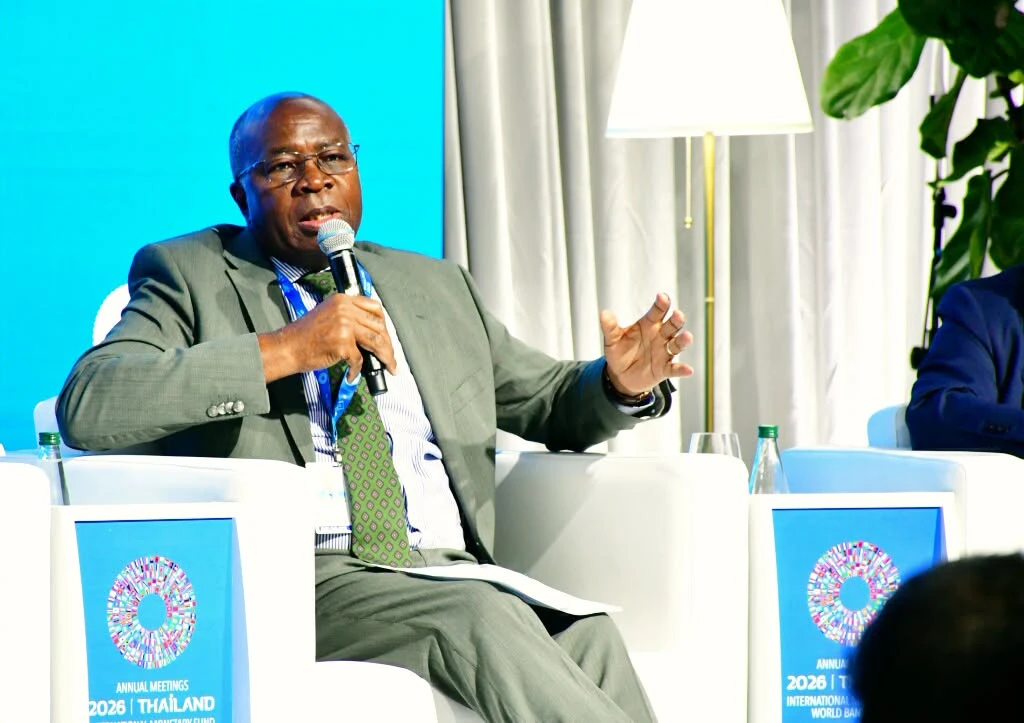
The initiative was announced in Bangkok on 16 October at the 2026 IMF–World Bank Annual Meetings. The World Bank Group’s announcement brings together eight countries through compacts and partnerships. Zambia’s framework runs from 2026 to 2036 and supports its ambition to produce three million tonnes of copper annually by 2031.
Does the target mean 250,000 new jobs?
The published compact’s results framework, printed page 10, lists 100,000 direct operational jobs by 2031 against a baseline of approximately 56,000. It separately targets 150,000 indirect jobs, without a numerical baseline. The figures cannot therefore establish that 250,000 additional jobs will be created.
For a jobseeker, that distinction matters. An employment target describes an intended outcome for the sector. It does not identify an employer, an application process or a guaranteed start date. Progress needs to be measured through actual recruitment, the duration of employment and the skills required.
Where households and businesses could benefit
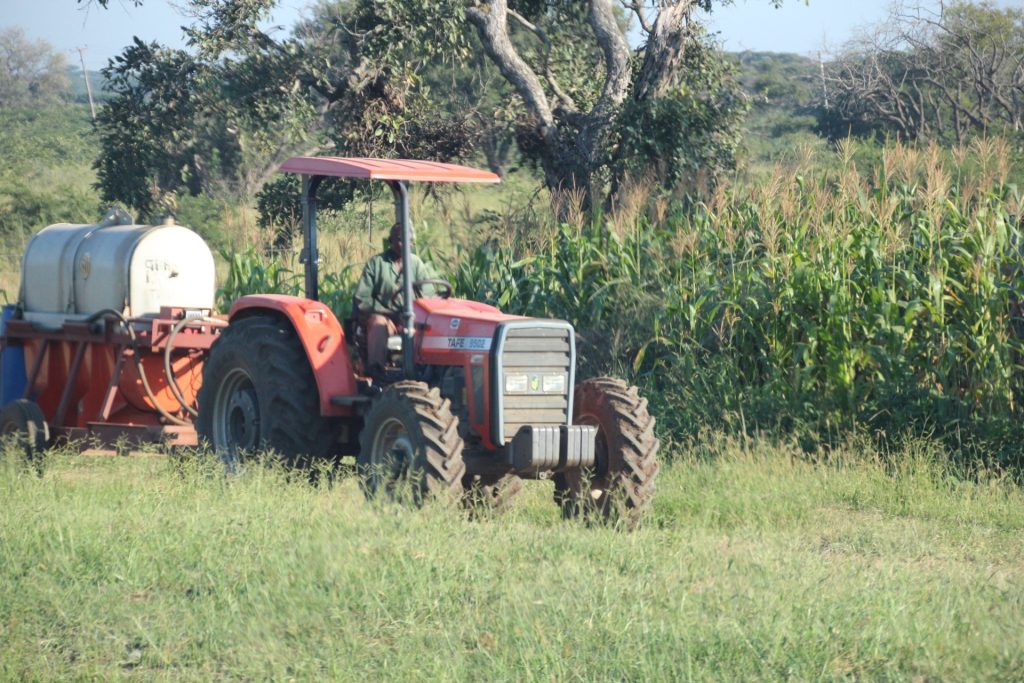
Mine expansion can generate demand beyond the pit. A maintenance contractor may need additional technicians; a manufacturer may need more production workers; a transport company may need drivers. These are possible routes through which investment can reach households, rather than forecasts for particular firms.
Finance Minister Situmbeko Musokotwane linked Zambia’s copper ambition to supporting value-adding industries in the World Bank Group’s launch announcement. The compact includes domestic supplier development and downstream manufacturing.
For a Zambian workshop, the practical questions are whether it can see upcoming tenders, meet technical standards and fund materials before receiving payment. A procurement target alone cannot solve those problems. Supplier support should help firms build the capacity to deliver a contract and compete for the next one.
Processing copper locally also needs a commercial case. Electricity costs, equipment, skilled labour and access to buyers affect whether a factory can operate profitably. A proposed plant should be assessed against those conditions before its expected jobs are counted as a dependable benefit.
Power and skills will shape delivery
An employer cannot sustain output when essential equipment sits idle. Electricity investment and transport improvements must keep pace with industrial expansion. Otherwise, businesses may face higher operating costs and fewer opportunities to recruit.
Training should connect to identifiable demand. Colleges and employers need to explain which qualifications are required, how apprentices gain experience and how many trainees subsequently enter work. Reporting enrolment alone would leave families unable to judge whether training is improving employment prospects.
Keep the financing figures in perspective
The World Bank Group plans to increase its global metals and minerals support fivefold to US$19 billion between fiscal years 2026 and 2030. That figure covers its wider international programme and combines its financing with private capital mobilisation. It is not a US$19 billion grant to Zambia.
For citizens, investment announcements should be followed by evidence of financial commitments, construction and operating businesses. Those stages carry different risks. Treating them as interchangeable makes it harder to judge what has actually been delivered.
What Zambia should track next
A useful public scorecard would show jobs against the baseline, local firms winning and completing contracts, and whether workers move into lasting employment. It should distinguish temporary construction work from ongoing operational roles and explain how indirect employment is estimated, so the same job is not counted twice.
Mining communities also need evidence on environmental compliance and the use of public revenues. A larger industry can create opportunities while imposing costs on nearby households. Both belong in an assessment of its economic contribution.
The compact gives Zambia a framework for coordinating investment. Its value to citizens will become visible through reliable wages, viable domestic businesses and services funded by public revenue. Those are the results against which the 2031 targets should be tested.
Source note: This report draws on the supplied announcement, the published October 2026 compact and the World Bank Group’s 16 October release. The employment figures are targets. Business examples are economic analysis, not interviews or announced vacancies.
Explore our Agriculture & Mining coverage. Related reading: local businesses, value addition and mining jobs and Zambia’s mining local-content rules.
Finance and National Planning Minister Situmbeko Musokotwane speaking at a panel. Photo credit: Ministry of Finance and National Planning (MoFNP). Original framing retained; converted to WebP. The photograph was not AI generated. Image rights remain with the respective rights holder; the notice below applies to our article text.
WARNING! All rights reserved. This material and all other digital content on this website may not be reproduced, published, broadcast, rewritten, or redistributed, in whole or in part, without the prior express permission of The Zambian Economist. Where permission is granted, the content must be clearly credited to “The Zambian Economist,” with “www.zambianeconomist.com” prominently displayed.
WhatsApp: +260775574228 | Email: info@zambianeconomist.com
© 2026 The Zambian Economist.