

Key takeaways
- The Electoral Commission of Zambia recorded 126,556 rejected presidential ballots in the 13 August 2026 general election, more than the combined 80,507 votes won by candidates placed third through thirteenth.
- President Hakainde Hichilema was re-elected with 2,965,326 votes, or 60.49%, against Brian Mundubile’s 1,856,222 votes, or 37.87%; turnout was 57.23%.
- Library Development Foundation Chairman and CEO Jordan Nkonde says the organisation will draft a five-year national civic and literacy education programme for the ECZ and interested donors.
- World Bank data put Zambia’s adult literacy rate at 71.77% in 2024, leaving about 28% of adults without basic literacy.
- The LDF plans to take the programme into schools, universities and community libraries under the tagline “Read to be empowered.”
A rejected ballot in Zambia’s 13 August 2026 general election was more common than a vote for eleven of the country’s thirteen presidential candidates. The Electoral Commission of Zambia’s provisional figures put spoilt and invalid presidential ballots at 126,556, above the 80,507 votes shared among the candidates who finished third through thirteenth. The Library Development Foundation says Zambia can no longer treat that gap as a footnote to a completed election.
“In a letter addressed to our team and cohort heads of voter education on 29 August 2026, we thanked the volunteers who staffed polling stations and results centres nationwide. The harder, longer task is closing the civic education gap exposed by the rejected-ballot figure. Having worked alongside the ECZ during the election, LDF will now draft a proposal for a five-year civic and literacy education programme for presentation to the ECZ and donor organisations that have already expressed interest.”
Jordan Nkonde, Chairman and CEO, Library Development Foundation
The Numbers Behind the Result
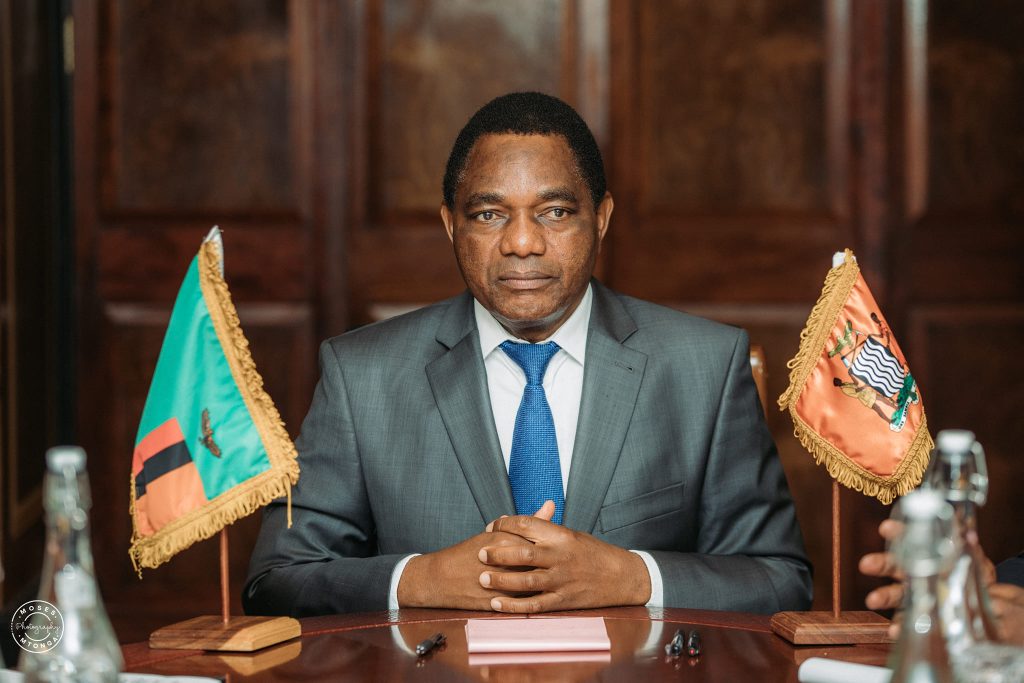
Zambians went to the polls on 13 August 2026 to elect a president, National Assembly members and local government representatives. It was the first general election held under a mixed-member majoritarian model for parliament introduced by a 2025 constitutional amendment. President Hakainde Hichilema, seeking a second term on the UPND ticket, won with 2,965,326 votes, 60.49% of the presidential vote. Tonse Alliance candidate Brian Mundubile, a former Vice-President and Speaker of the National Assembly, came second with 1,856,222 votes, 37.87%.
Thirteen candidates contested the presidency after the ECZ approved 14 of 26 registered aspirants. Citizens First leader Harry Kalaba placed third with 19,070 votes, Zambia Must Prosper’s Kelvin Bwalya fourth with 17,078, and Socialist Party leader Fred M’membe fifth with 12,194. The remaining seven candidates shared 24,591 votes between them.
| Candidate | Party | Votes | Share |
|---|---|---|---|
| Hakainde Hichilema | United Party for National Development (UPND) | 2,965,326 | 60.49% |
| Brian Mundubile | National Reconciliation Party for Unity and Prosperity | 1,856,222 | 37.87% |
| Harry Kalaba | Citizens First | 19,070 | 0.39% |
| Kelvin Bwalya | Zambia Must Prosper | 17,078 | 0.35% |
| Fred M’membe | Socialist Party | 12,194 | 0.25% |
| Other seven candidates (combined) | Various | 24,591 | 0.50% |
A Rejected-Ballot Total Bigger Than Most of the Field
Set against a turnout of 57.23% from 8,786,300 registered voters, 5,028,606 ballots were cast and 4,902,055 were counted as valid presidential votes. That leaves 126,556 ballots rejected, roughly one in every forty cast. The rejected-ballot total exceeded the combined vote of every candidate from third place down by about 46,000 ballots.
| Metric | Figure |
|---|---|
| Registered voters | 8,786,300 |
| Total ballots cast | 5,028,606 |
| Voter turnout | 57.23% |
| Valid presidential votes | 4,902,055 |
| Rejected (spoilt or invalid) ballots | 126,556 |
| Combined votes of 3rd- to 13th-placed candidates | 80,507 |
| Rejected ballots minus that combined total | About 46,049 more |
Political scientists Nic Cheeseman and Nicole Beardsworth, writing on the count for The Africa Report, flagged a related irregularity: implausibly high numbers of voters in some UPND strongholds who appeared to have voted for Hichilema but left the parallel National Assembly and local government ballots blank. Zambia’s electoral authorities and international observer missions, including a SADC team that visited 277 polling stations, reported an otherwise calm and largely orderly polling day. Researchers and commentators also called for greater transparency around the Gen-20 result forms and the brief nationwide suspension of counting that followed isolated reports of ballot theft and violence.
None of that dispute changes the arithmetic on rejected ballots. Whatever combination of spoiled marks, blank papers and stray marks produced the 126,556 figure, it represents a large group of Zambians who turned out, queued and did not have their presidential preference counted.

Why Ballots Get Rejected
Electoral administrators and civic groups generally attribute rejected ballots to a narrow set of causes: marking more than one candidate, marking outside the designated box, leaving the ballot blank, writing on the paper, or tearing or otherwise damaging it before depositing it in the box. None of these requires a voter to be functionally illiterate, but low literacy, unfamiliarity with a multi-ballot paper and limited exposure to voter education materials all raise the odds of a mismarked paper.
Zambia’s adult literacy rate stood at 71.77% in 2024, according to World Bank data. Kasempa District Administrative Officer Francis Makanga, addressing a literacy forum reported by the Lusaka Times on the same day the LDF issued its letter, argued that adult literacy programmes cannot be treated as one institution’s responsibility. He said they need to be built into education, health, agriculture and skills programmes that run year-round, rather than switched on only when an election is called.
The LDF has reached a similar conclusion by working outward from one election-day statistic to a multi-year institutional response.
The Library Development Foundation’s Proposal
The Library Development Foundation is moving from election-day support to a longer institutional role. Having thanked the volunteers, cohort heads and voter educators who staffed polling stations and results centres nationwide, the organisation has set its next objective: bridging Zambia’s civic education gap over a five-year rollout, alongside literacy and awareness campaigns in communities, schools, universities and other educational institutions.
A selected team within the LDF will draft a formal proposal for presentation to the Electoral Commission of Zambia, its partner in the 2026 election, and to donor organisations that have shown interest in funding the work. Rather than disband the voter-education group convened for the election, the LDF is keeping it active and open. It is recruiting volunteers and members with ideas for the next phase of civic and literacy education.

What a Five-Year Civic Education Programme Typically Covers
- School and university curricula: structured civics and media-literacy content delivered through existing library and education infrastructure.
- Community-level literacy drives: adult literacy classes paired with practical instruction on marking a ballot, reading a voter card and understanding a multi-tier ballot paper.
- Polling-agent and observer training: standardised materials so voter educators explain the same rejection-avoiding rules in every constituency.
- Local-language materials: civic content produced in Zambia’s major languages, extending reach beyond English-literate urban audiences.
- Monitoring and evaluation: tracking rejected-ballot rates by district over successive elections to measure whether the intervention is working.
Business, Investor and Policy Implications
For a publication tracking Zambia’s institutions, a rejected-ballot count of this size is a governance data point with relevance for investors and policymakers. Election credibility, turnout quality and the smooth administration of the vote all factor into how ratings agencies, multilateral lenders and foreign investors assess political risk in a market already under scrutiny over debt restructuring and the fiscal trajectory.
For the ECZ, a costed five-year civic education partnership with an established literacy organisation offers a way to address the gap without building new institutional capacity from scratch. For donors active in Zambia’s governance and education space, the LDF proposal offers a measurable intervention: the rejected-ballot rate can be tracked from one election to the next.
What Happens Next
The LDF has not yet published the costed proposal, a timeline for submission to the ECZ, or the names of the donor organisations it says have expressed interest. Its 29 August letter frames the current phase as internal: gathering ideas from its voter-education cohort before a selected team turns them into a formal document. The Zambian Economist will track the proposal and update this article as further detail becomes available.
Frequently Asked Questions
How many ballots were rejected in Zambia’s 2026 presidential election?
Provisional Electoral Commission of Zambia figures, as compiled by election-tracking sources, put rejected or invalid presidential ballots at 126,556 out of 5,028,606 total ballots cast.
Who won the 2026 Zambian presidential election?
President Hakainde Hichilema of the United Party for National Development won a second term with 2,965,326 votes, 60.49% of the vote, ahead of Brian Mundubile on 1,856,222 votes, 37.87%.
What is the Library Development Foundation proposing?
A five-year national civic and voter education programme, to be run alongside literacy campaigns in communities, schools and universities, and presented as a formal proposal to the ECZ and interested donor organisations.
Related Coverage
- Election Economics: reporting and analysis
- How Zambia’s Mixed-Member Proportional Representation System Works
- Ten Days That Tested Zambia
- Hichilema’s Second Term: What It Means for Zambia’s Economy, Markets and Diplomacy
WARNING! All rights reserved. This material and all other digital content on this website may not be reproduced, published, broadcast, rewritten, or redistributed, in whole or in part, without the prior express permission of The Zambian Economist. Where permission is granted, the content must be clearly credited to “The Zambian Economist,” with “www.zambianeconomist.com” prominently displayed.
WhatsApp: +260775574228 | Email: info@zambianeconomist.com
© 2026 The Zambian Economist.