

Trained in Russia, India and the Netherlands, agronomist Zite Daka has spent more than 15 years helping Zambian farmers improve crop production, manage pests and adopt climate-smart farming methods.
Key Takeaways
- Zite Daka holds Specialist and Master’s degrees in Agronomy from Saint Petersburg State Agrarian University in Russia.
- He has received additional agricultural training in India and the Netherlands.
- His public-service career spans more than 15 years across Lusaka, Chitambo and Nchelenge districts.
- His work centres on agricultural extension, crop production, pest management and Climate-Smart Agriculture.
Zambian agronomist Zite Daka has built a career around a practical task: helping farmers turn agricultural knowledge into better decisions in the field.
With more than 15 years of experience in agricultural extension and management, Daka has worked with farming communities in three districts. He served as Agricultural Officer for Lusaka District, later became Senior Agricultural Officer for Chitambo District and currently holds the same senior position in Nchelenge District.
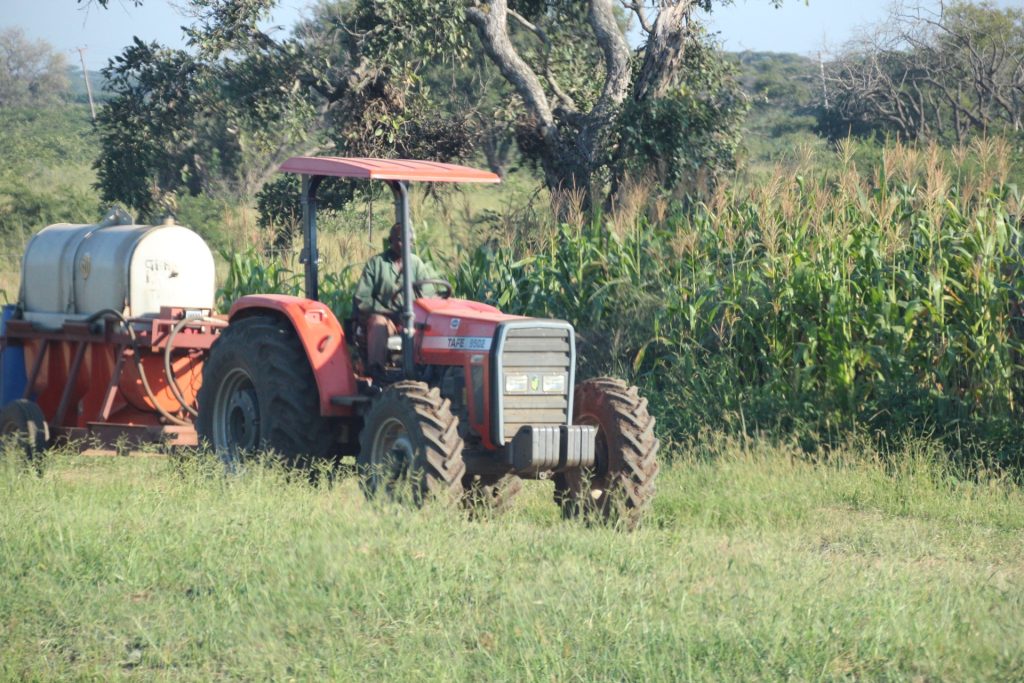
His responsibilities include training and supporting farmers in crop production, pest management, Climate-Smart Agriculture and farming methods intended to protect productivity under difficult environmental conditions.
Agricultural training in Russia, India and the Netherlands
Daka holds a Specialist Degree and a Master’s Degree in Agronomy from Saint Petersburg State Agrarian University in the Russian Federation.
His studies covered agronomy, crop production and the scientific management of agricultural systems. He later received professional training in sustainable agricultural strategies and integrated pest management in India, as well as crop production and marketing in the Netherlands.
This mix of academic and professional training gives him experience across the production chain, from managing crops and pests to understanding how agricultural products reach markets.
More than 15 years in agricultural extension
Agricultural extension officers serve as the link between research, government programmes and farmers. Their work includes demonstrating production methods, diagnosing crop problems and helping farmers apply technical advice under local conditions.
Daka’s progression from Agricultural Officer in Lusaka to senior positions in Chitambo and Nchelenge reflects a career spent within Zambia’s district agricultural system.
In Nchelenge, where farming and fishing support many households, agricultural advice must respond to local soils, rainfall, crop choices, pests and access to markets. Recommendations that work in one district cannot simply be copied into another without considering these conditions.
Supporting Climate-Smart Agriculture
Climate-Smart Agriculture seeks to improve farm productivity while helping producers cope with changing rainfall, drought, pests and other climate-related pressures.
The Ministry of Agriculture has promoted practices such as agroforestry, ripping, crop-residue retention and farmer field schools as part of Zambia’s response to these pressures. The Ministry says field schools are intended to move agricultural knowledge from demonstration plots into farmers’ own fields. Ministry of Agriculture.
Research published by the Food and Agriculture Organization has also examined reduced tillage, crop rotation and legume intercropping in Zambia, including how such practices affect yields and the risk of severe crop losses. Food and Agriculture Organization.
Daka’s work places him at the point where these ideas must become usable advice for farmers. Training is effective only when producers can adapt it to their land, labour, available inputs and financial circumstances.
Pest management and sustainable production
Crop pests and diseases can reduce output before farmers reach the market. Integrated pest management addresses this risk by combining crop monitoring, appropriate cultivation practices and carefully selected control measures instead of relying on one response.
Daka’s training in this area complements his broader agronomy background. It allows farmer support to cover the full production cycle, including land preparation, planting, crop management, pest control and harvesting.
For farming households, the value of this support is measured in practical outcomes: avoiding preventable crop losses, using inputs more effectively and producing enough for household consumption and sale.
International education applied to local farming
Daka’s career also reflects the role of internationally trained Zambians in public service.
Through ZamRus, a network connecting Zambians who studied in Russia and the former Soviet Union, his professional journey shows how overseas education can be applied to local development.
The work itself takes place far from lecture halls. It happens through farmer meetings, field demonstrations, crop inspections and the repeated task of translating technical knowledge into advice that producers can use.
As Senior Agricultural Officer for Nchelenge District, Daka continues to support farming practices aimed at raising productivity and strengthening farmers’ ability to manage climate and production risks.
Editor’s note: The information and image used in this profile were obtained from ZamRus. The article was rewritten by The Zambian Economist for publication. ZamRus retains credit for the information and image used.
Related coverage: Explore the Zambia Agriculture and Mining hub, the Agriculture & Mining category and our analysis of the 2026 maize floor price.
WARNING! All rights reserved. This material and all other digital content on this website may not be reproduced, published, broadcast, rewritten, or redistributed, in whole or in part, without the prior express permission of The Zambian Economist. Where permission is granted, the content must be clearly credited to “The Zambian Economist,” with “www.zambianeconomist.com” prominently displayed.
WhatsApp: +260775574228 | Email: info@zambianeconomist.com
© 2026 The Zambian Economist.