
By Zambian Economist Analyst
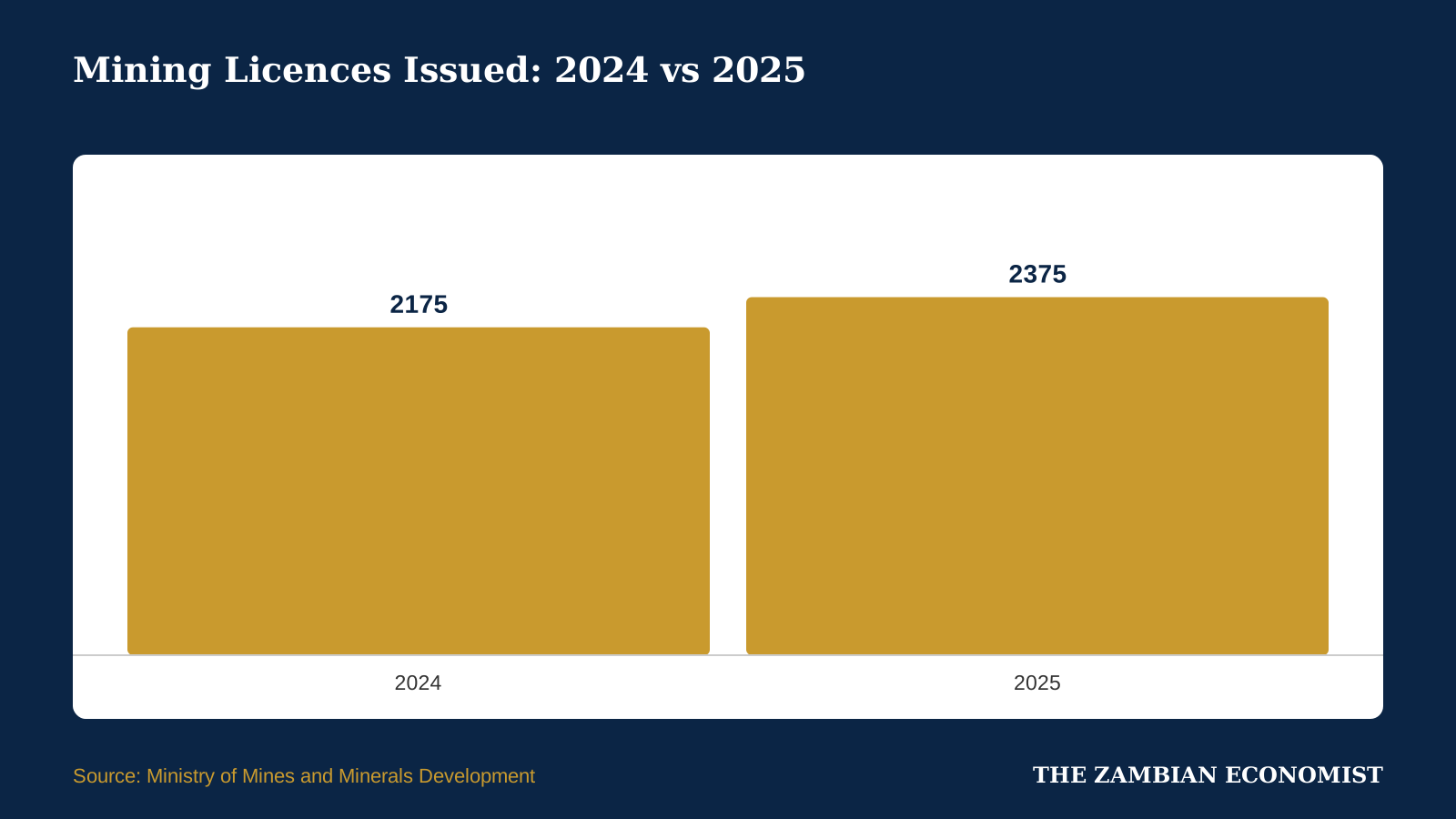
Zambia issued 2,375 mining licences in 2025, up 9.2% on the year before. The number is a leading indicator for a minerals sector diversifying well beyond copper.
A Quiet Boom in Paperwork
Zambia’s Ministry of Mines issued 2,375 mining licences in 2025, a 9.2% increase on 2024. It is one of the least-discussed numbers in the country’s mining story, and one of the more telling ones: licence issuance is a leading indicator, showing where exploration and small-scale investment interest is heading before it shows up in production data years later.
Why the Licence Count Is Rising
The increase runs alongside a wider push to diversify Zambia’s mineral base beyond copper. Cobalt production rose 12% in 2025, nickel output rose 616% to 24,090 tonnes, zinc grew 25% to 65,134 tonnes, and emerald production reached 35,612 kilograms. New entrants such as Mimbula Mine, which began production in 2025 with 8,183 tonnes of copper, illustrate how licensing activity today becomes measurable output within one to two years.
What Sits Behind the New Licences
Government’s Three Million Tonnes Copper Production Strategy is the headline target, but the National Critical Minerals Strategy is the quieter policy driving licence growth in cobalt, nickel and other battery and technology-relevant minerals. Local Content Regulations under SI No. 68 of 2025, effective from 1 January 2026, apply to this wider licensed base too, not only to the handful of large copper producers that dominate headlines.
| Mineral | 2025 change (YoY) |
|---|---|
| Copper | +8% |
| Cobalt | +12% |
| Nickel | +616% |
| Zinc | +25% |
| Mining licences issued | +9.2% (2,375 total) |
Business Implications
Rising licence issuance points to a widening base of smaller and mid-tier operators entering Zambia’s minerals sector, a segment where local engineering, logistics, environmental compliance and legal service providers stand to benefit directly, well before any of these licences reach large-scale production.
Investor and Policy Implications
For investors focused only on the three or four largest copper producers, the licensing data is a reminder that Zambia’s minerals story is broadening, not narrowing, into cobalt, nickel and other critical minerals tied to global battery and technology supply chains. Government’s challenge is ensuring the institutions that issue and monitor these licences, and the local-content and environmental rules attached to them, can keep pace with the volume.
Key Takeaways
- Zambia issued 2,375 mining licences in 2025, up 9.2% on 2024.
- Nickel output rose 616% and zinc 25%, evidence of diversification beyond copper.
- Rising licence issuance today points to broader mineral production growth over the next one to two years.
Related reading: Inside Statutory Instrument 68: Zambia’s New Local-Content Rules for Miners and Zambia’s Copper Engine: From 890,000 Tonnes to a 3-Million-Tonne Ambition