
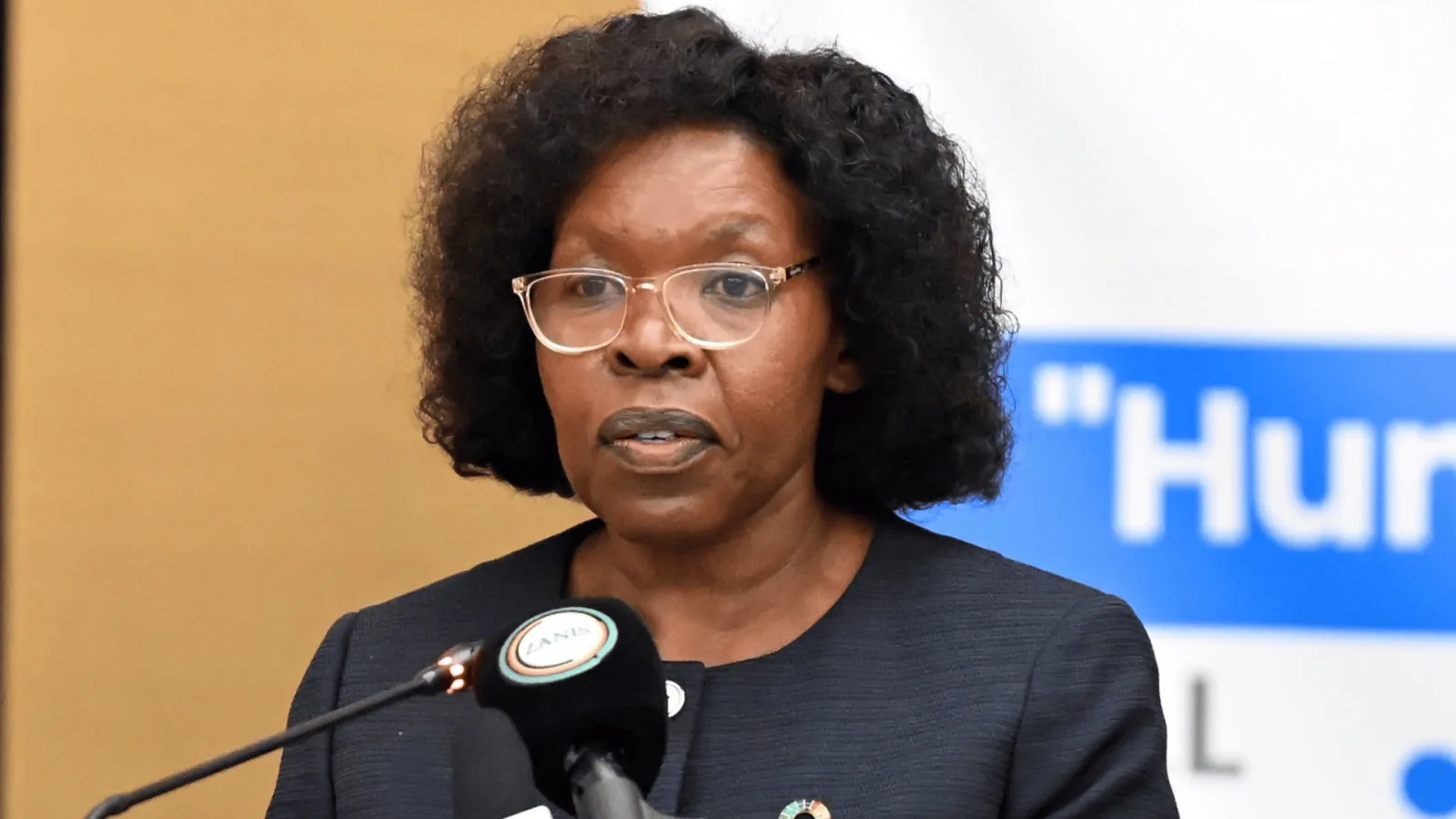
As Beatrice Mutali wraps up her assignment as the UN’s top representative in Zambia, Vice President Mutale Nalumango has made the case for a partnership built on continuous dialogue, one that keeps UN programming answerable to the country’s own development agenda.
Key takeaways
- Beatrice Mutali is ending her assignment as UN Resident Coordinator in Zambia after four years, marked by a farewell courtesy call on Vice President Mutale Nalumango at Government House.
- Nalumango praised the departing coordinator’s collaborative style and pressed for continued dialogue so that UN programmes match Zambia’s own development priorities.
- Mutali credited the partnership with gains in education, agriculture, nutrition, social protection, youth employment and the empowerment of women and girls.
- Her closing counsel: keep investing in Zambians, build stronger institutions, push gender equality forward and leave no one behind.
- The handover arrives as a newly re-elected administration settles in, with the UN country team’s work anchored to the 8th National Development Plan.
A quiet piece of diplomatic housekeeping played out at Government House: the United Nations’ departing Resident Coordinator, Beatrice Mutali, called on Vice President Mutale Nalumango to say goodbye, and both sides used the moment to take stock of a four-year working relationship.
The case Nalumango made
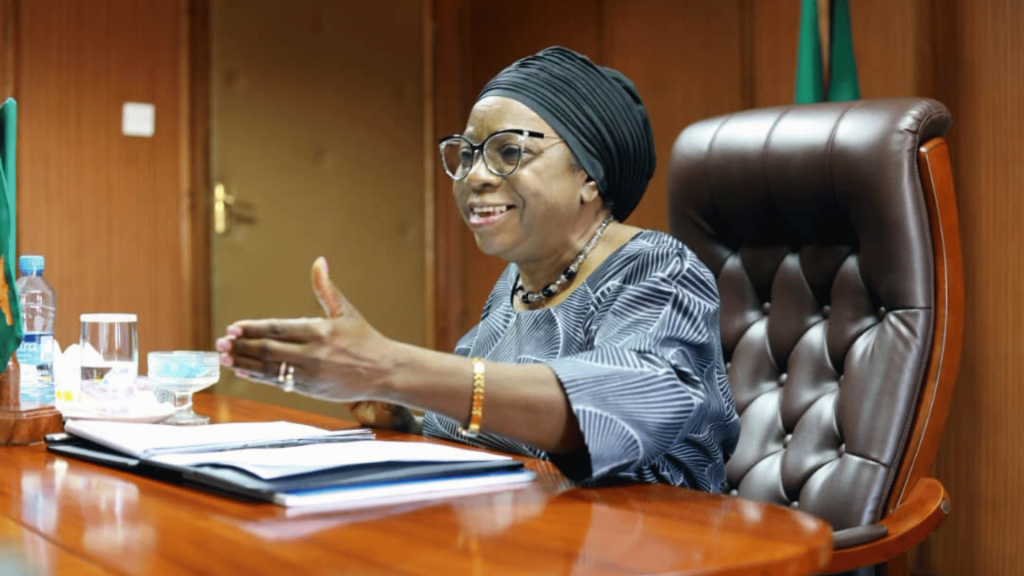
For the Vice President, the farewell was also an opening to set an expectation. Zambia and the UN, she argued, need sustained partnership and dialogue so that the programmes the world body runs inside the country continue to line up with the priorities Zambia sets for itself. It is a recurring theme in Lusaka’s dealings with development partners: national ownership first, external support second.
Nalumango gave Mutali credit for exactly that approach. The outgoing coordinator, she said, led inclusively and worked collaboratively, including through stretches when the country was under real strain. Mutali’s tour of duty coincided with the 2023-24 cholera outbreak, the drought that tightened food supplies in 2024, and the lean fiscal years of the debt-restructuring era.
Mutali’s reading of her four years
Mutali, in return, thanked the Zambian government and its people for the confidence and warmth shown to her and to the wider UN family. Serving here, she said, was a privilege, and she leaves with genuine respect for how Zambians have absorbed repeated shocks without losing their footing.
Her scorecard for the partnership runs through the sectors where the UN actually spends in Zambia: education, agriculture, nutrition, social protection, youth development, employment, and the empowerment of women and girls. Smallholder farming support illustrates the point; under the Food Security Pack, close to 10,000 farmers in Northern Province redeemed inputs through programmes of this family.
Her parting prescription was people-centred: keep channelling money into Zambians themselves, fortify institutions, move faster on gender equality, widen chances for the young, and make sure the vulnerable are not forgotten. In a Zambian context that language has fiscal teeth, because social protection has been among the quickest-rising items in the national budget, as our 2026 budget guide showed.
The money angle behind the ceremony
Farewell calls rarely move markets, but this one marks a change worth noting for anyone who works with, or around, the UN system in Zambia. The resident coordinator steers a country team whose agencies buy locally, contract local partners and channel transfers to low-income households, spending that ends up circulating through rural shops and markets. For NGOs, suppliers and consultants, the arrival of a new coordinator typically means restated priorities and fresh funding cycles; firms that can show how their work fits the 8th National Development Plan are the ones that tend to win them.
Timing sharpens the point. Mutali departs as a re-elected administration prepares to govern for a second term, and Nalumango’s alignment message signals that Lusaka intends to keep UN support flowing through national structures rather than parallel channels. We follow this beat on our Economic Diplomacy hub.
Looking ahead
The UN will designate a successor through its usual process, conducted in agreement with the host government, and The Zambian Economist will report on the handover and its implications for development finance. For firms and organisations mapping opportunities around the UN system, our doing business in Zambia resource is a good starting point.
WARNING! All rights reserved. This material and all other digital content on this website may not be reproduced, published, broadcast, rewritten, or redistributed, in whole or in part, without the prior express permission of The Zambian Economist. Where permission is granted, the content must be clearly credited to “The Zambian Economist,” with “www.zambianeconomist.com” prominently displayed.
WhatsApp: +260775574228 | Email: info@zambianeconomist.com© 2026 The Zambian Economist.
Work With The Zambian Economist: Advertise With Us | List With Us | Submit an Article
Update: President Hichilema also bade farewell to Ms Mutali at State House. Read Hichilema Pledges Stronger UN Partnership as Treasury Puts Results First.