Airtel’s donation of discarded electronics will support practical training, while Government says finance, equipment and access to markets must follow.
Key takeaways
- Government is calling for stronger e-waste collection, recycling and safe disposal systems as Zambia’s use of electronic devices grows.
- Airtel Zambia has donated electronic waste for practical youth training, according to the supplied event briefing.
- The ILO says the Japan-funded programme targets 100 young women and men in Central Province; that is a target, not a count of jobs already created.
- Training must be backed by equipment, financing and customers if participants are to build lasting livelihoods.
Government has called for coordinated action on electronic waste management, linking the safe handling of discarded devices to employment and business opportunities for young Zambians.
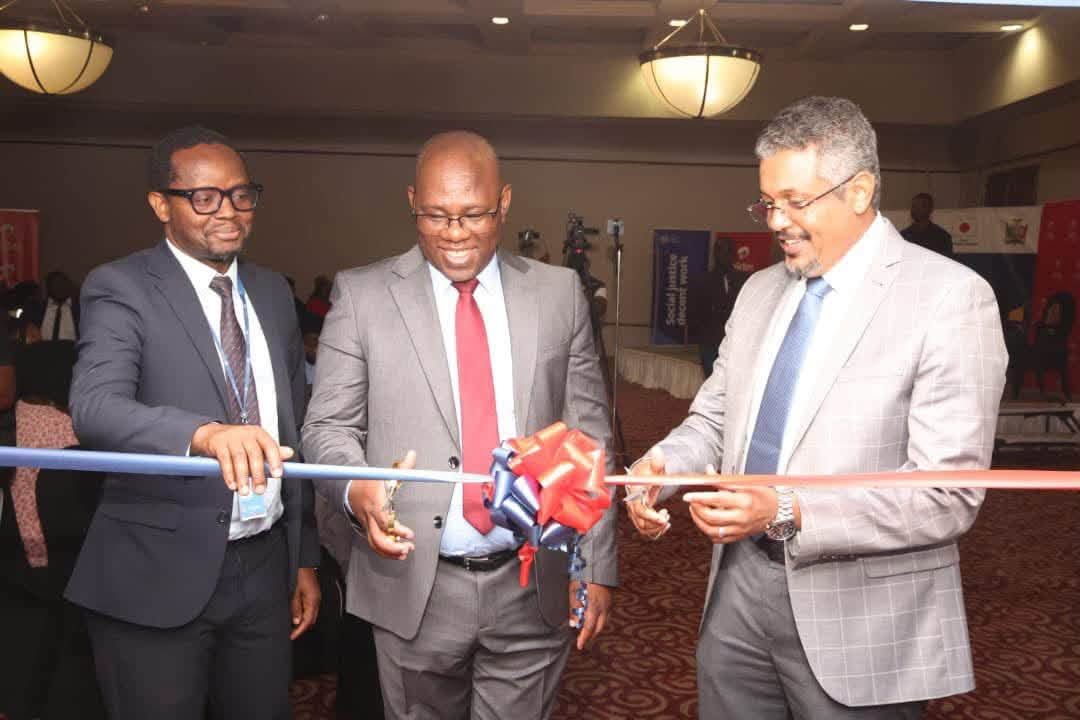
At the World E-Waste Day commemoration in Lusaka on 14 October, Green Economy and Environment Minister Gilbert Siame said the growing use of phones, computers, routers and other devices required effective collection, recycling and safe disposal systems. His speech was read by Forestry Director Freddie Siangulube, according to the event briefing supplied to The Zambian Economist.
The briefing identifies Airtel Zambia’s contribution as a donation of electronic waste to support practical skills development. It does not state the quantity or value of the donation.
What is Zambia’s e-waste youth employment project?
The Government is working with the International Labour Organisation under the Sustainable E-Waste Management for Youth Employment Project. The ILO’s project page confirms that the initiative operates in Central Province with funding from Japan.
In a July progress update, the ILO said it aimed to support 100 young women and men, including persons with disabilities, across Chibombo, Chisamba, Kabwe, Kapiri Mposhi and Mumbwa.
That figure describes the intended reach of the programme. It does not establish that 100 participants have secured jobs or started profitable businesses.
How can discarded electronics support livelihoods?
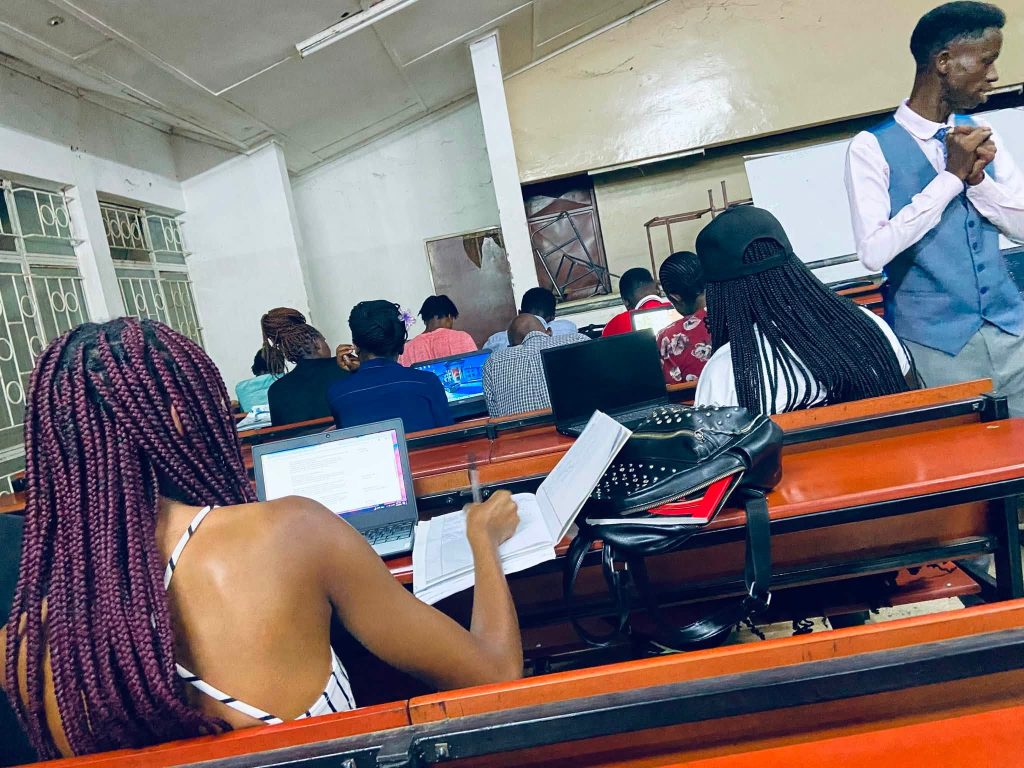
The opportunity extends from collecting old equipment to repairing devices, preparing them for reuse and recovering materials through recycling. The programme combines technical training with business management and financial literacy, according to the event briefing.
Siame said training needed to be complemented by access to employers, work-based learning, equipment, financing and markets. For participants hoping to establish enterprises, those conditions determine whether a skill becomes a source of income.
A donation can provide equipment for practical learning. An ongoing business also needs a dependable supply of discarded devices, the tools to handle them safely and customers willing to pay for repaired products or recovered materials.
The business test comes after training
For Zambia’s repair shops and prospective recycling businesses, the commercial question is whether revenue can cover collection, transport and safe processing costs. Access to finance matters, but so does a market for what an enterprise produces.
The programme’s results should therefore be assessed through paid placements, enterprises still trading after training and participants’ earnings. The quantity of e-waste safely collected and processed would provide a separate environmental measure.
No figures for jobs already created, participant earnings or business survival were provided in the commemoration briefing. These remain measures to track as implementation proceeds.
Why safe handling matters
The minister linked the initiative to protecting public health and the environment. The ILO also includes occupational safety in its programme approach. Expanding collection without safe handling and disposal would leave part of the problem unresolved.
The next test is whether Government, employers and cooperating partners can connect the training to sustained work and viable enterprises. Airtel’s reported contribution provides material for skills development; its employment effect will depend on what follows.
Source note: Ministerial remarks and Airtel donation details are drawn from the event briefing supplied to The Zambian Economist. Programme funding, target and geographical coverage are corroborated by the ILO. The briefing does not provide a verified employment outcome count.
More coverage
Related: Airtel’s K1.22bn Profit: A Signal of Zambia’s Digital Economy Taking Off.
Explore our Technology & Innovation coverage and Entrepreneurship & Startups reporting for more on digital businesses and enterprise development in Zambia.
WARNING! All rights reserved. This material and all other digital content on this website may not be reproduced, published, broadcast, rewritten, or redistributed, in whole or in part, without the prior express permission of The Zambian Economist. Where permission is granted, the content must be clearly credited to “The Zambian Economist,” with “www.zambianeconomist.com” prominently displayed.
WhatsApp: +260775574228 | Email: info@zambianeconomist.com© 2026 The Zambian Economist.