Foreign investment, loans and grants should be judged by the capacity they create, the services they sustain and the obligations they leave behind.
Key Takeaways
- Foreign investment, grants and loans serve different purposes and carry different obligations.
- China’s experience offers lessons in connecting investment with domestic suppliers, skills and production.
- Zambia’s own history shows that external finance can build substantial infrastructure.
- The lasting test is whether institutions can operate, maintain and sustain what funding creates.
The signing ceremony is the beginning. What happens after the money is spent is the harder test.
For Zambia, external financing can support factories, transport infrastructure and public services. It can also leave repayment obligations, maintenance bills or programmes that struggle to continue when funding ends.
The question should be asked before the agreement is signed: what will Zambia be able to do better when this financing has run its course?
That question moves the debate beyond whether foreign money is good or bad. It puts attention on project selection, financing terms and delivery.
Zambia already has a concrete example
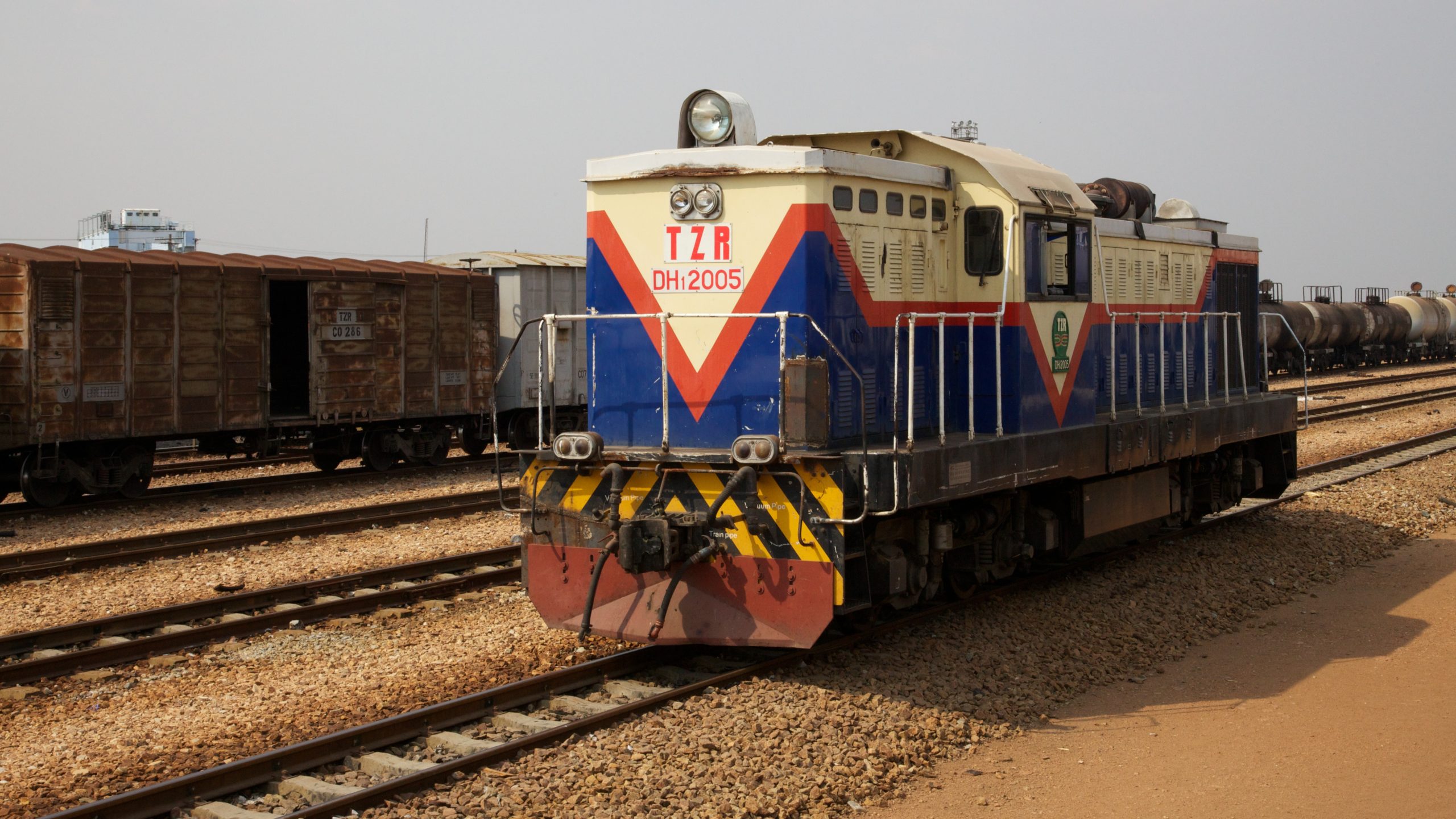
TAZARA provides a useful starting point.
According to the railway authority’s history, China agreed in 1970 to provide an interest-free loan covering construction of the railway and supporting infrastructure, including stations, a training school and rolling stock. External financing supported a physical transport system and the capacity needed to operate it. TAZARA’s official history.
That example complicates sweeping claims that Africa uses foreign money only for meetings and reports.
It also raises a longer-term question. Building an asset and sustaining its service are different tasks. A railway needs maintenance, competent management and sufficient traffic. The same principle applies to a power station, irrigation scheme or factory.
The opening ceremony cannot establish whether an investment will remain useful and affordable.
Foreign money is not one category
A foreign company investing in a factory is making a different transaction from a donor funding vaccinations or a government borrowing for a railway.
An investor generally seeks a commercial return. A loan creates repayment obligations under agreed terms. A grant normally requires no repayment, although it may carry conditions.
Their results need different tests.
A factory can be assessed through production, employment and purchases from domestic suppliers. A health programme should be assessed through effective care and better health outcomes. A public infrastructure project must justify both its initial cost and its continuing expenses.
Confusing these forms of financing makes it harder to identify what worked, what failed and who carries the risk.
What Zambia can learn from China
China’s experience suggests that attracting investment is only part of industrial development.
World Bank analysis identifies infrastructure, institutional arrangements, foreign and diaspora investment, and continuous technological learning among the factors behind the development of China’s special economic zones and industrial clusters. World Bank analysis.
For Zambia, the practical questions begin outside the investor’s gate.
Can a local packaging business meet the factory’s specifications? Can Zambian technicians maintain its equipment? Are workers acquiring skills that improve their future employment prospects?
A factory can increase national output while importing much of its equipment, inputs and expertise. Broader domestic benefits depend partly on whether local businesses and workers become more capable through their involvement.
Those relationships need deliberate attention. An announcement of investment does not establish that they exist.
When workshops become a substitute for delivery
Studies, consultations and training have legitimate purposes.
A feasibility study can prevent an expensive mistake. Consultation can identify communities affected by a project. Technical training can improve safety and equipment performance.
The problem arises when completing the activity becomes the main measure of success.
After a workshop, what changed? After a study, did an institution proceed, redesign the proposal or reject it for clear reasons? After training, can staff perform the task?
A report saying that 200 people attended tells us about participation. It does not establish whether a service improved or a business became more productive.
The same scrutiny should apply to construction. A completed building is not proof of a functioning institution.
People are productive capacity too
Factories need healthy, skilled workers.
An argument that values only visible industrial assets overlooks the contribution of education and healthcare. Development financing supports these services alongside infrastructure and agriculture. IDA’s areas of support.
For Zambia, sustainability should be part of the design.
Who will maintain the equipment? Who will pay staff when the programme ends? Can the institution retain the people it trains?
These questions apply equally to a donor-funded clinic and a publicly financed technical college. Spending can create an asset without securing the ability to use it.
Five questions before the agreement is signed
Every externally financed initiative should answer:
- What problem will it solve? Identify the specific production constraint or service gap.
- What will remain afterwards? Explain the expected assets, skills or institutional improvements.
- Who pays the continuing costs? Include maintenance, staffing and repayment where applicable.
- How will Zambian firms and workers participate? Identify realistic opportunities and the requirements for accessing them.
- How will results be checked? Establish a baseline, measurable outcomes and responsibility for reporting.
These tests should also apply to projects financed entirely from Zambia’s own resources.
For manufacturing, evidence might include repeat orders and purchases from Zambian suppliers. For training, it might be demonstrated competence. For infrastructure, it should include reliable service at a sustainable operating cost.
The result must outlast the funding
Zambia does not need to choose between international cooperation and domestic capability. Well-designed cooperation can help build that capability.
The task is to select useful projects, negotiate workable terms and ensure that institutions can sustain the results.
Success should become visible in services that keep working, businesses that win customers and workers who can perform more demanding tasks.
When the funding ends, the benefit should continue.
Photo credit: David Brossard / Wikimedia Commons / CC BY-SA 2.0. TAZARA locomotive at New Kapiri Mposhi, 18 October 2012. Historical photograph, reproduced without editorial alteration. The photograph retains its Creative Commons licence.
Explore our Business & Economy coverage and Macroeconomy & Policy reporting. Related: Zambia’s manufacturing vision and the test of lasting jobs; Musokotwane’s case for productive investment and private-sector growth.
WARNING! All rights reserved. This material and all other digital content on this website may not be reproduced, published, broadcast, rewritten, or redistributed, in whole or in part, without the prior express permission of The Zambian Economist. Where permission is granted, the content must be clearly credited to “The Zambian Economist,” with “www.zambianeconomist.com” prominently displayed.
WhatsApp: +260775574228 | Email: info@zambianeconomist.com
© 2026 The Zambian Economist.