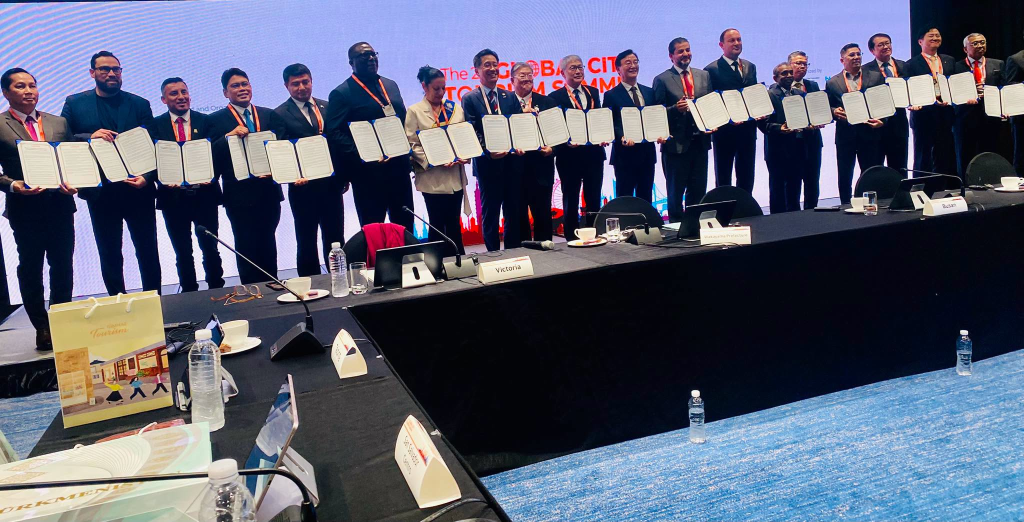


The Copperbelt University economist beat Mr Yenda Shamabobo by just seven votes out of 298 cast at the elective Annual General Meeting in Livingstone, according to results published on the association’s members’ portal.
KEY TAKEAWAYS
- Dr Edna Kabala Litana won the EAZ presidency with 142 votes (47.7%), seven votes ahead of Mr Yenda Shamabobo on 135 (45.3%). Dr Nicholus Obby Mainza took 21 votes (7.1%). Only 298 votes were cast in total.
- In the other contests, Mr Laban Simbeye won the vice-presidency with 78.5% of the vote, Dr John Musantu took the secretaryship with 54.4%, and Mr Robert Mookola Malasha stood unopposed for treasurer.
- Eight candidates contested the committee member seats, with Ms Ronna Zya leading on 16.4%.
- The narrow presidential margin means Dr Kabala Litana leads an association whose members were nearly evenly split, and she will need to win over her opponent’s supporters to govern effectively.
Introduction
The Economics Association of Zambia has a new president, and she got there by the narrowest of margins. Dr Edna Kabala Litana, a senior lecturer and researcher at Copperbelt University, was elected at the association’s elective Annual General Meeting in Livingstone, taking 142 votes to 135 for Mr Yenda Shamabobo. The seven-vote gap, out of 298 ballots cast, was confirmed in results published on the EAZ members’ portal at eaz.org.zm.

Dr Nicholus Obby Mainza, the third candidate, finished with 21 votes, 7.1% of the total. Turnout tells its own story: fewer than 300 members voted in an association that counts professional economists, academics, analysts and students among its intended base.
How the presidential vote went
| Candidate | Votes | Share |
|---|---|---|
| Dr Edna Kabala Litana | 142 | 47.7% |
| Mr Yenda Shamabobo | 135 | 45.3% |
| Dr Nicholus Obby Mainza | 21 | 7.1% |
| Total | 298 | 100% |
Who is Dr Edna Kabala Litana?
She is an economist with a PhD and a master’s degree in the field, more than a decade of practice and around five years in management roles. At Copperbelt University she teaches, supervises research and works on applied economic questions, and she previously served within the University of Zambia Business and Economics Association.
She ran an open campaign for a “stronger EAZ”, with pledges centred on member value, policy leadership and the construction of a permanent EAZ House. Her ticket attracted public backing along the way, including from UNZABECA, which pointed to her leadership record as something economics students could see themselves in.

The rest of the ballot
The presidential race was the closest contest of the day. The vice-presidential race was not: Mr Laban Simbeye took 234 votes, 78.5%, against 64 for Mr Emmanuel Zulu.
| Position | Winner | Votes | Runner-up | Votes |
|---|---|---|---|---|
| Vice-President | Mr Laban Simbeye | 234 (78.5%) | Mr Emmanuel Zulu | 64 (21.5%) |
| Secretary | Dr John Musantu | 162 (54.4%) | Mr Mutemwa Mebelo | 136 (45.6%) |
| Treasurer | Mr Robert Mookola Malasha | unopposed | – | – |
The committee member race drew the biggest field, eight candidates and 1,150 votes in total, suggesting members spread multiple votes across the list. Ms Ronna Zya led with 189 votes (16.4%), followed by Mr Eugene Chandi on 170 (14.8%), Miss Betty Luwando on 164 (14.3%) and Mrs Natasha Hach’s candidacy on 154 (13.4%). Mr John Ng’andu, who campaigned publicly as Dr Kabala Litana’s running mate, Ms Magret Kabanga (116 votes, 10.1%), Mr Thengo Eric Ngondo (108, 9.4%) and Mr Batwell Hachizibe (101, 8.8%) also stood.

What the numbers say about the association
A seven-vote victory is a mandate, but a thin one. Just under half of voting members chose Dr Kabala Litana, and a nearly equal number preferred someone else. Her first job as president is therefore internal: convincing Mr Shamabobo’s 135 supporters that the association belongs to them too. Appointments and committee assignments over the coming weeks will show whether she reaches across the divide.
The turnout figure is the quieter problem. An association that aspires to be the voice of Zambia’s economics profession drew 298 presidential ballots. Growing that base is precisely what her member-value platform was built to address, and it is now the measure her term will be judged against.

Why this matters beyond the membership
The EAZ’s job is credible interpretation. When ZamStats releases inflation figures, when the Bank of Zambia moves the policy rate, or when the Ministry of Finance presents the national budget, the association is supposed to help the public understand what the numbers mean. When it goes quiet, guesswork and unverified figures circulating on WhatsApp fill the gap.
A president who researches and teaches economics for a living is placed to rebuild that function quickly. The first test arrives with the next major statistical or policy release: will the association’s view be one journalists bother to chase?

What happens next
Dr Kabala Litana now has to constitute her executive council from the winners above and turn manifesto lines into a work programme. The EAZ House, the most expensive promise, will depend on fundraising and partnerships that have not yet been announced. Between now and the next AGM, the scoreboard is simple: subscriptions, timely commentary, and visibility.

For business: A revived EAZ would give firms another source of independent economic briefings, training and networking. Watch its events calendar over the next six months.
For investors: Local analyst commentary quoting the EAZ again would add a domestic perspective to reporting that currently leans on the IMF, the World Bank and bank research desks.
For policymakers: A functioning professional association can be a channel for pre-budget consultation. Ministries that want proposals stress-tested before announcement have an interest in the EAZ recovering its strength.
Conclusion
Elections at professional bodies rarely make headlines. This one is worth noticing because of what the organisation is supposed to do and has not been doing. Dr Kabala Litana asked members for a mandate to rebuild the EAZ around its members, its voice and eventually its own building. Livingstone gave her the mandate, by seven votes. The scoreboard from here is simple: subscriptions, commentary and whether, at the next budget, the association’s opinion is one journalists bother to chase.

More on the EAZ: Zambia’s Economists Gather in Livingstone to Elect New Leadership | EAZ 2026: The Continuity Question Facing Zambia’s Economists | Nicholus Obby Mainza Is Running for EAZ President on a Record | Emmanuel Zulu: What the EAZ Vice Presidency Candidate Is Offering | ZIPAR Comes On Board as Sponsor of the EAZ 2026 AGM | EAZ Should Offer Hichilema a Five-Year Economic Advisory Compact | EAZ Seeks Formal Partnership With Finance Ministry as Musokotwane Calls for Practical Policy Ideas
Related reading: About Us | Submit an Article | Advertise With Us | Business Directory | Events | Contact Us
WARNING! All rights reserved. This material and all other digital content on this website may not be reproduced, published, broadcast, rewritten, or redistributed, in whole or in part, without the prior express permission of The Zambian Economist. Where permission is granted, the content must be clearly credited to “The Zambian Economist,” with “www.zambianeconomist.com” prominently displayed.
WhatsApp: +260775574228 | Email: info@zambianeconomist.com © 2026 The Zambian Economist.
Work With The Zambian Economist: Advertise With Us | List With Us | Submit an Article
Related: EAZ Courts FNB Zambia for Post-Budget Dinner Support and a Formal Partnership.
Related: EAZ Opens Partnership Talks With Uganda Economists on Joint Outlook Reports and a Shadow MPC.