
Key takeaways
- The Electoral Commission of Zambia will hold a fresh parliamentary election in Mandevu constituency on Thursday 24 September 2026, with polls open from 06:00 to 18:00.
- The decision follows the attack on the constituency totalling centre and the theft of election materials, which left the 13 August poll unable to be credibly collated.
- Mandevu has gone without an MP for more than two weeks; the presidential result was declared without the constituency’s numbers.
- The same 12 candidates remain on the ballot, including UPND’s Christopher Shakafuswa, the Republican Party’s Jean Kapata and independent Adrian Banda.
- The re-run carries real costs: a second round of polling logistics, security and campaign spending in one of Lusaka’s densest constituencies.
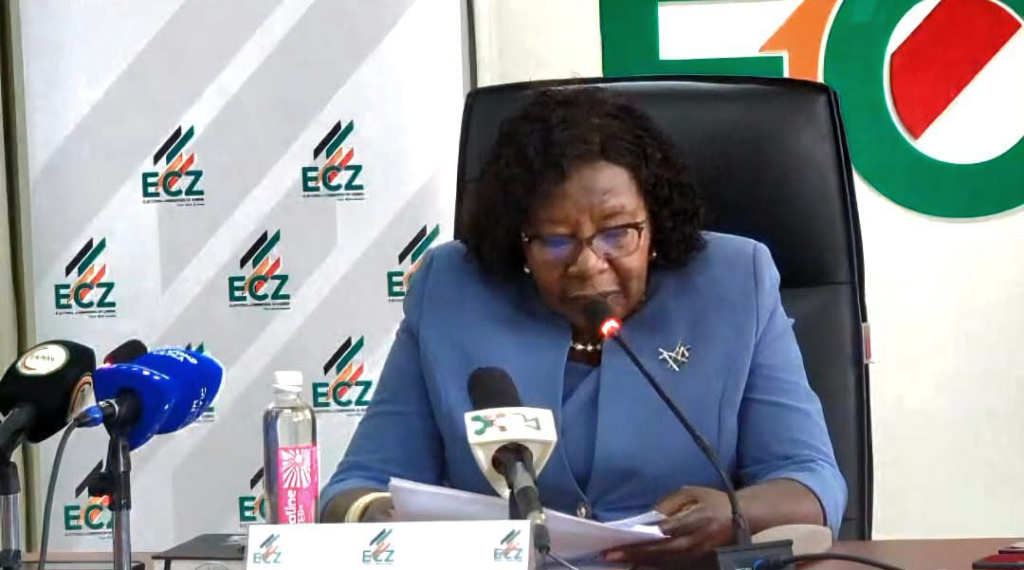
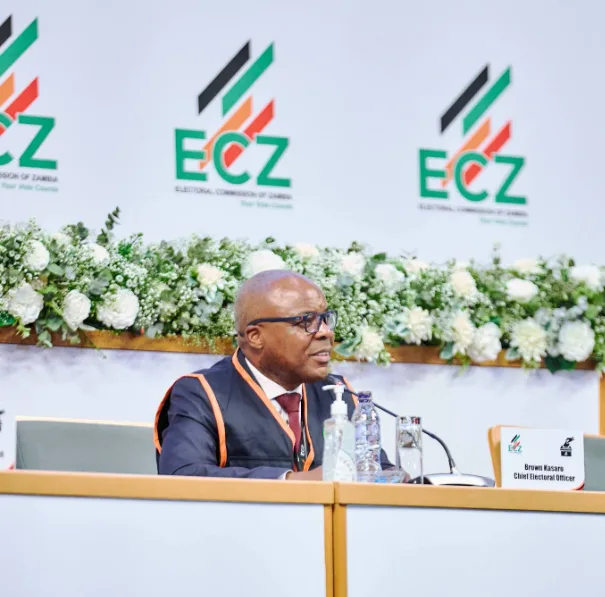
Mandevu will vote again. The Electoral Commission of Zambia has scheduled a fresh parliamentary election for Thursday 24 September 2026, with polling stations open from 06:00 to 18:00, after concluding that the constituency’s 13 August poll cannot stand following the attack on the totalling centre and the theft of election materials.

The announcement closes, at least procedurally, a question that has hung over the constituency since election night: what happens when the counting process itself is attacked? For the voters of Mandevu, it opens another one. They must return to the polls a second time, six weeks after the first attempt, while the rest of the country has already moved on to a re-elected president and a new parliament taking shape.
How we got here
The chain of events began on 13 August, when Zambia voted in general elections under the new mixed system of 226 directly elected seats and 40 proportional-representation seats. Counting nationwide was suspended the following day after reports of violence and ballot theft in several districts, then lifted hours later. The presidential race was eventually settled decisively, with Hakainde Hichilema re-elected, and results were declared without Mandevu’s parliamentary numbers.
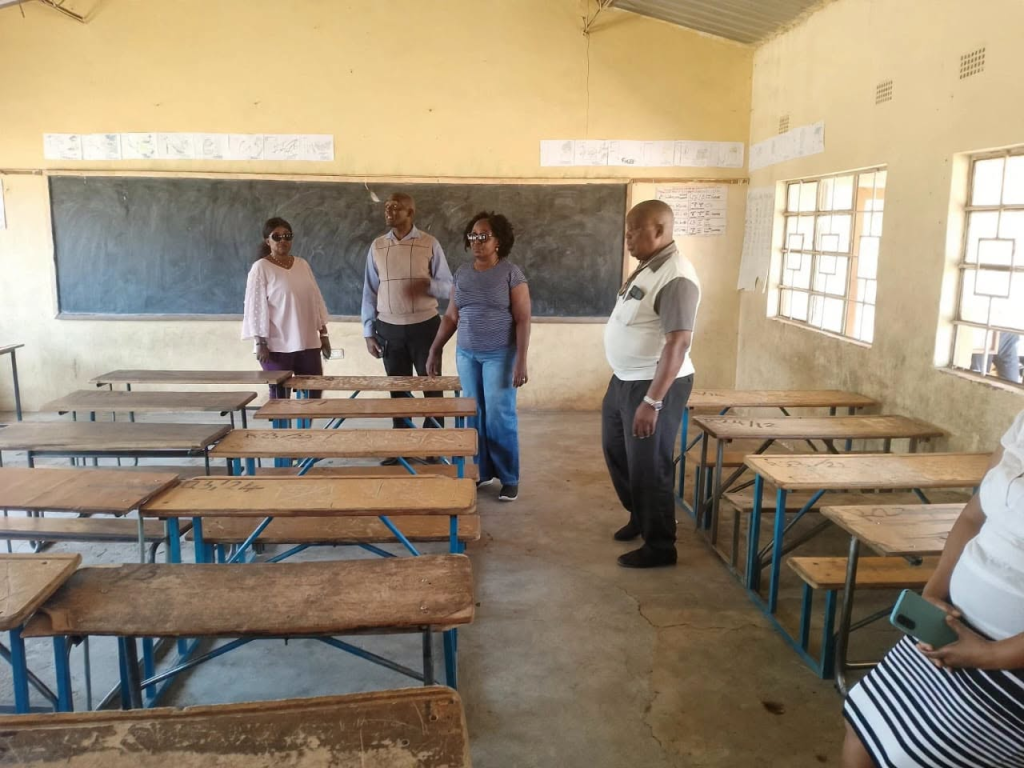
In Mandevu itself, the disruption ran deeper. A laptop belonging to the Commission was stolen from the constituency tallying centre, and police later recovered it. But recovery of hardware is not recovery of an audit trail, and the Commission has now judged that the collation cannot be rescued. Earlier this week, candidates in the race were still urging the ECZ to take its time rather than rush a result. The fresh election is the sharper remedy: discard the compromised poll entirely and start again.
Who is on the ballot
Per the Commission’s statement, the contest remains between the same candidates who contested on 13 August, among them UPND’s Christopher Shakafuswa, who claimed an early lead while urging patience with the count, veteran politician Jean Kapata of the Republican Party, running under the Tonse Alliance banner, and independent candidate Adrian Banda. Several other candidates from smaller parties and independent tickets round out a crowded field of twelve.
The dynamics may not repeat. A re-run held after a presidential declaration is a different contest from a general election: turnout patterns change when the national question is settled, and campaign resources that were spread across the ticket in August now concentrate on a single seat. Candidates who benefited from coat-tails in August, or suffered from them, face a new arithmetic.
What it costs
A fresh election in a single constituency sounds contained. It is not free. The Commission must print fresh ballots, redeploy poll staff, and secure polling stations and a new totalling centre in a constituency where the last one was attacked. The Zambia Police must provide security for a full day of voting and counting, and for the campaign period around it.
Then there are the private costs. Twelve candidates and their parties will campaign again in one of Lusaka’s most densely populated constituencies: fuel, posters, rallies, organizers. Traders around Mandevu’s markets face another period of campaign-period uncertainty, and the constituency’s representation gap has practical consequences, since a seat without an MP is a seat without an advocate in the National Assembly at exactly the point when a new government’s budget priorities are being set.
What to watch on 24 September
Three things will matter more than the winner. First, turnout: a sharp drop against 13 August would raise questions about the mandate of whoever wins. Second, security at the totalling centre: the credibility of this poll rests on the collation process that failed last time being protected this time. Third, whether the losing candidates accept the result or head to court, which would extend the constituency’s limbo further into the parliamentary term.
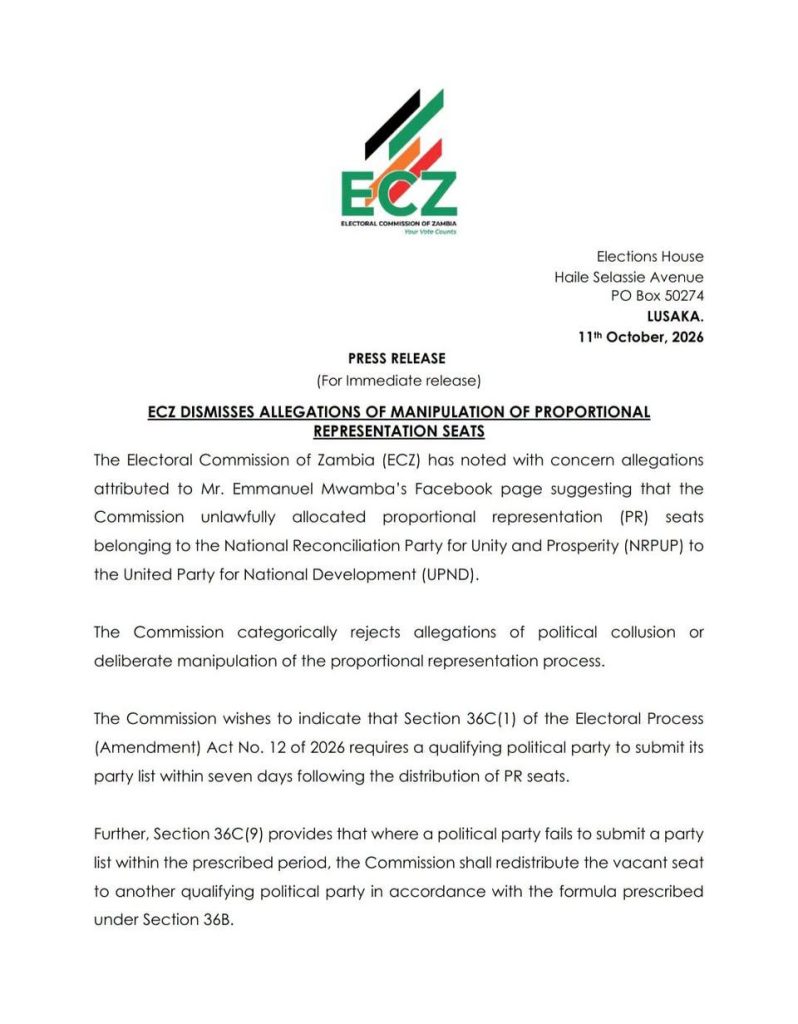
The Commission has not yet published detailed polling-station-level arrangements for the re-run. Voters should rely on the ECZ’s official channels for confirmation of polling venues and the final candidate list, not on forwarded social media claims, a lesson this constituency has already learned the hard way.
Related reading
- Mandevu Candidates Urge ECZ Not to Rush Results Despite Delays
- Police Recover ECZ Laptop Stolen After Mandevu Election
- ECZ Suspends Vote Counting Nationwide After Reports of Violence and Ballot Theft
- Ten Days That Tested Zambia: Hichilema’s Re-election, Sealed Courts and a Cooling Inflation Rate
- Zambia’s Post-Election Rally Is Economically Sound
WARNING! All rights reserved. This material and all other digital content on this website may not be reproduced, published, broadcast, rewritten, or redistributed, in whole or in part, without the prior express permission of The Zambian Economist. Where permission is granted, the content must be clearly credited to “The Zambian Economist,” with “www.zambianeconomist.com” prominently displayed.
WhatsApp: +260775574228 | Email: info@zambianeconomist.com
© 2026 The Zambian Economist.